
5-Panel Baseball Caps Manufacturer: Your Guide to Custom Caps That Stand Out
2026-09-17
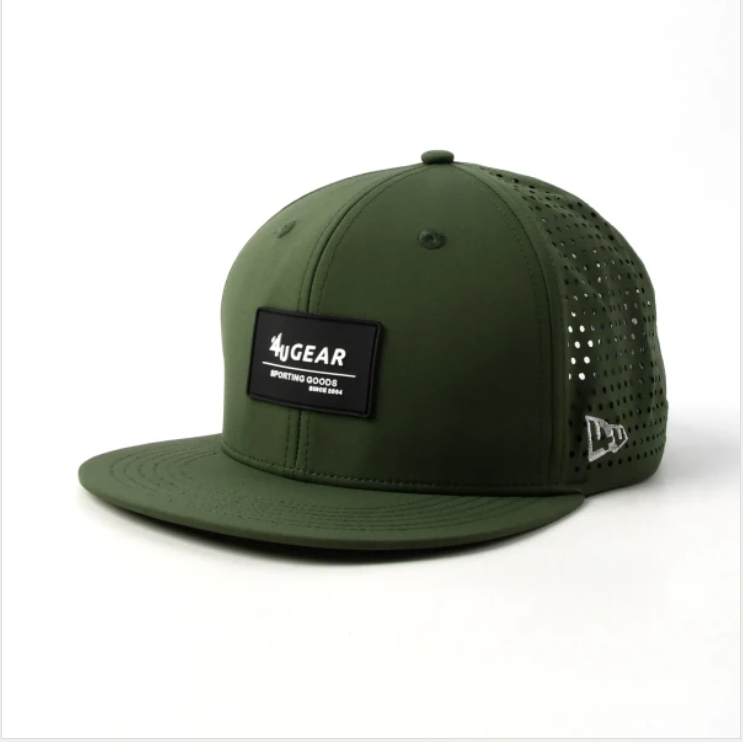
Most custom caps fade into the background. Yours shouldn’t. Whether you're launching a streetwear drop, outfitting a team, or building merch that actually sells, the right 5-panel baseball cap manufacturer changes everything. At 4ugear, we turn your ideas into headwear people reach for—bold, structured, and unmistakably yours.
Why the 5-Panel Cap Keeps Winning Custom Orders
Most custom cap requests lean toward the 5-panel because it solves a real design problem: the front panel is one continuous piece of fabric with no center seam, so logos and artwork don’t get broken up by stitching. That clean surface handles detailed embroidery, puff prints, or woven patches far better than structured six-panel styles, and the lower crown flatters more face shapes without looking boxy.
Beyond looks, the 5-panel is forgiving for small runs. Factories can cut and sew the five panels quickly, which keeps setup costs down and turnaround times short. Brands lean on this for seasonal drops or event merch — they can mix panel colors, add a woven label on the back, or run a contrast stitch without triggering massive minimums. The cap’s lightweight build also makes it easy to pack, so customers actually wear it after the initial drop.
Then there’s the cultural pull. The 5-panel sits comfortably between skate, outdoor, and casual streetwear, meaning it doesn’t feel tied to one niche. A custom version can lean preppy with a cotton twill and leather strap or go technical with ripstop and a plastic clip closure — the same silhouette carries both. That range keeps it winning orders when brands want one cap style that can flex across multiple audiences.
What to Ask Before You Commit to a Manufacturer
Before signing anything, dig into their actual production capacity. A manufacturer might tell you they can handle your volume, but ask for a detailed breakdown of their current client load, lead times, and what happens if a machine breaks down mid-run. You want to hear specifics about how they prioritize orders and whether they have backup lines or secondary facilities. If they hesitate to share this, treat it as a red flag—it usually means they are already stretched thin and will quietly deprioritize your project once the contract is signed.
Next, push on communication and quality control. Who exactly will be your point of contact after the first payment clears? Is there a dedicated project manager, or will you be bounced between departments? Ask to see a real example of an inspection report from a recent order similar to yours, not a polished sample. Find out how they handle defects: do they rework, replace, or just offer a small credit? The answers reveal whether they treat your product as a line item or as a reputation they are personally protecting.
Finally, get everything about materials and sub-suppliers in writing. Ask where the raw inputs come from, whether they can switch sources without your approval, and what happens if a sub-supplier fails to deliver. A manufacturer that controls its own sourcing or has long-term contracts with vetted suppliers will save you from surprise cost hikes and quality dips. If they claim to audit their suppliers, ask for a recent audit summary. If they cannot produce one, assume they are trusting someone else's word—and that someone else has no reason to care about your order.
Custom Details That Go Way Beyond a Printed Logo
A printed logo only scratches the surface. What truly sets a piece apart is the tactile story woven into every seam, stitch, and finish. Think debossed leather labels, hand-tied drawcords with metal aglets, or contrast taping hidden inside a placket. These are the details that invite a second touch, a closer look—and linger in memory long after the first impression.
We lean into unexpected material pairings: a brushed flannel lining under a crisp oxford shell, a corozo nut button that warms with wear, a woven label with a single loose thread that hints at the loom. Each choice is deliberate, small enough to feel personal but bold enough to shift the whole character of the garment.
The goal isn't ornamentation—it's identity made physical. A custom zipper pull shaped like a map pin, a hem tag with a handwritten-style note, a pocket bag printed with an inside joke only the wearer sees. These are the marks of a brand that treats every square inch as a canvas, not just the chest logo.
The Fabric and Hardware Choices You Shouldn't Ignore
There's a reason cheap polyester leaves you feeling sticky by midday while a well-worn cotton shirt only gets softer. Fabric isn't just about appearance—it's the first thing your skin notices. Linen might wrinkle within an hour of sitting down, but that creased, relaxed look is part of its appeal. A mid-weight twill or brushed cotton holds structure without turning into a sweatbox, making it a safer bet for pieces you'll reach for constantly. Skip the shiny blends that pill after three washes; opt for natural fibers that fade and soften in a way that looks intentional, not exhausted.
Hardware often gets treated as an afterthought, but flimsy zippers and hollow-feeling buttons can ruin an otherwise solid piece. Solid brass or zinc alloy with a matte finish tends to develop a subtle patina over time, which adds character instead of looking scratched. Pay attention to the weight of a zipper pull or the click of a snap closure—those small details tell you more about durability than any tag. Plastic-coated hardware may match on day one, but it chips and feels cheap in your hand. When in doubt, choose metal that has a bit of heft to it.
The real trick is making sure your fabric and hardware aren't fighting each other. A heavy canvas jacket needs rivets or bar-tacked stitching at stress points, not a delicate zipper meant for a blouse. A lightweight chambray shirt, on the other hand, looks ridiculous with chunky industrial snaps. Think about how the piece will actually be used: if you're yanking a zipper open with cold hands or stuffing a bag full of groceries, those joints are where failure starts. Good materials work together quietly—you only notice them when they're wrong.
A Realistic Look at Production Timelines and Minimums
Many first-time buyers expect a production run to take a few weeks, but the reality depends heavily on material sourcing, tooling, and factory workload. For custom metal parts, for instance, forging dies alone can add three to six weeks before a single sample comes off the line. If the item requires special finishes, third-party testing, or packaging that isn't off-the-shelf, the total lead time often stretches to 90 days or more.
Minimum order quantities get similarly misunderstood. A factory might list an MOQ of 500 units, but that number often assumes you're using standard sizes, common materials, and no custom branding. Ask for a non-standard color, a slight dimensional tweak, or split shipments across two warehouses, and the practical minimum can jump to 1,000 or 2,000 units. It's not necessarily a bait-and-switch; it's simply that small deviations add setup costs that only make sense at higher volumes.
For a realistic plan, always ask for a written timeline that breaks out tooling, first article approval, production, and freight separately. Also request the MOQ for your exact specification, not the generic catalog version. Building in a two-to-four-week buffer after the promised date is wise, because material delays and customs holds are common enough that they should be expected rather than treated as emergencies.
How to Nail the Sample Approval Without Losing Your Mind
Start by refusing to treat sample approval as a guessing game. Pull every spec, reference image, and feedback note into one place before you forward anything. If the supplier or factory asks a question that feels obvious, answer it with a quick annotated screenshot instead of a paragraph. That single habit cuts most of the back-and-forth that makes the process feel heavy.
Next, give yourself a hard cap on revisions. When you receive the first sample, note what's actually broken versus what's just different from the picture in your head. Send two or three clear, numbered corrections and stop there. Chasing invisible perfection is the fastest way to stall a project and burn your own patience.
Finally, keep a running approval log that only tracks what changed, who approved it, and the date. It takes ninety seconds per round and saves you from re-litigating old decisions when someone forgets why the stitching moved. The calmer you make the routine, the less likely you'll lose a full day to one thread color.
FAQ
A 5-panel cap has a single front panel instead of two, so there’s no center seam running down the front. That gives you one smooth, uninterrupted surface for printing or embroidery, which is why brands love it for bold logos and artwork. The shape also tends to sit a bit shallower and snugger on the head compared to a traditional 6-panel.
Pretty much every component is fair game. You can choose the fabric, color, closure style, sweatband, eyelets, and even add a woven label or custom taping inside. Some manufacturers let you mix and match panels, but the front panel is usually the star because it’s where your design gets the most visibility.
Cotton twill is a solid all-rounder, but if you need something breathable and quick-drying, look at nylon or polyester blends. Brushed canvas has a nice textured look and holds shape well, while mesh back panels can add ventilation. Ask about fabric weight too — lighter weights feel cooler but may wrinkle more easily.
It really depends on the manufacturer. Some smaller workshops will do runs as low as 25 or 50 pieces, especially if you stick to stock colors and simple decoration. Larger factories may ask for 100 to 300 units. If you want fully custom fabric or hardware, expect a higher minimum because those materials are made to order.
Once the pre-production sample is signed off, most runs take two to five weeks. Production time can stretch if you’re using custom-dyed fabric, special embroidery, or multiple decoration methods. Shipping adds a few days to a couple of weeks depending on your location and whether you choose air or sea freight.
Yes, serious suppliers will offer a sample. Sometimes it’s a stock cap with your logo just to show placement and thread colors. For more complex projects, you can request a full pre-production sample that matches the exact fabric, color, and construction. There’s usually a sample fee, but it’s often credited back when you place the bulk order.
Embroidery looks sharp and durable, especially on the front panel. Screen printing or heat transfers are great for detailed, multi-color artwork because they capture fine lines without the density limitations of stitching. Woven patches and rubber labels add a tactile, premium feel. You can even mix methods — like a printed graphic with a small embroidered detail.
Don’t just pick a color and slap on a logo. Think about contrast stitching, a patterned undervisor, custom binding tape, or an unexpected closure like a side-release buckle. Small touches like a printed inner sweatband or a hidden message under the brim give people a reason to talk about your hat. And always test the fit — a well-shaped crown makes a huge difference in photos and everyday wear.
Conclusion
The 5-panel cap has become a quiet favorite for custom orders, and it is not hard to see why. It offers a clean, low-profile front panel that gives logos room to breathe without the distortion you often get on structured six-panel crowns. But before you commit to a manufacturer, you need to dig past the sales pitch. Ask about their actual factory relationships, not just their website claims. Do they own the production line or broker it out? How do they handle color matching on custom dyed fabrics? What is their tolerance for stitch density and seam alignment? These questions matter because a cheaply assembled 5-panel can warp after a few washes, even if the embroidery looks sharp on day one. Also do not settle for a single printed logo—think about woven labels, contrast taping, custom eyelets, or a suede brim. Those subtle touches are what turn a generic cap into something people actually keep.
Fabric and hardware choices are where many custom orders stumble. A lightweight cotton twill might feel great in summer but will not hold structure as well as a brushed canvas or a poly blend. The closure matters too: a metal slide buckle feels more premium than a plastic snap, but it adds cost and weight. Be realistic about production timelines—anything under four weeks usually means stock caps with rushed customization, not true cut-and-sew. Minimums vary wildly, so do not be afraid to ask for a tiered quote. And when the sample arrives, resist the urge to approve it from photos alone. Wear it, check the sweatband stitching, flex the brim, and compare the front panel height against your mockup. A good manufacturer will welcome that scrutiny, because the best 5-panel caps come from a back-and-forth that treats the sample as a draft, not a final answer.
Contact Us
Contact Person: Tommy
Email: [email protected]
Tel/WhatsApp: 8613546956008
Website: https://www.4ugearsupply.com/