
Baby Diaper Making Machine in China: A Complete Guide for Manufacturers
2026-04-02
In the ever-evolving landscape of baby care products, the production of diapers stands as a critical sector, driven by innovation and precision. For manufacturers seeking to navigate this competitive field, understanding the intricacies of diaper-making machinery is essential. This guide delves into the heart of China's manufacturing prowess, offering a comprehensive look at baby diaper production technology. Whether you're an established producer or a newcomer to the industry, insights into efficient machinery can transform your operations. At the forefront of this discussion is Womeng, a brand synonymous with reliability and advanced solutions in the diaper-making arena. By exploring key components, technological advancements, and practical tips, this blog aims to equip you with the knowledge to optimize your production line and stay ahead in the market. Let's embark on this journey to uncover the secrets behind successful diaper manufacturing.
Understanding Baby Diaper Machine Basics for New Manufacturers
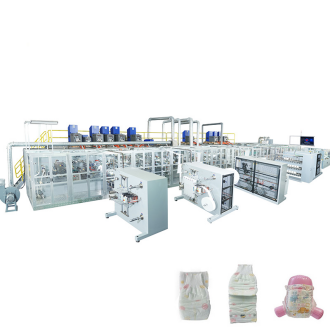
Venturing into the baby diaper manufacturing industry can be both exciting and daunting, especially when it comes to selecting the right equipment. For newcomers, it's crucial to grasp that modern diaper machines are sophisticated systems designed to produce diapers in various sizes and absorbencies, from newborn to toddler stages. These machines typically integrate multiple components, such as fluff pulp feeders, SAP (superabsorbent polymer) dispensers, and ultrasonic bonders, to ensure efficient and hygienic production. Understanding the basics helps you make informed decisions about machine types, whether you're considering fully automatic lines for high-volume output or semi-automatic options for smaller startups, ultimately setting a solid foundation for your business's growth and quality control.
Beyond just hardware, new manufacturers should familiarize themselves with the operational flow of a diaper machine, which often starts with raw material feeding and progresses through core forming, cutting, and packaging. Pay attention to factors like machine speed, measured in pieces per minute (PPM), and how it aligns with your production targets; a machine that's too fast might lead to waste if not matched with skilled operators. Additionally, consider the flexibility of the machine to handle different diaper designs or eco-friendly materials, as consumer preferences shift towards sustainable options. By diving into these details, you can avoid common pitfalls like overlooking maintenance needs or underestimating the importance of operator training, ensuring your investment pays off with reliable, consistent output.
To stand out in a competitive market, think about the unique features that set your diaper product apart, and choose a machine that supports those innovations. For instance, some advanced models offer enhanced leak protection through better elastic placement or incorporate smart sensors for real-time quality monitoring, reducing defects and boosting efficiency. Don't just focus on the initial cost—evaluate the total cost of ownership, including energy consumption, spare parts availability, and vendor support for troubleshooting. By mastering these basics early on, you'll be better equipped to navigate supply chain challenges and adapt to industry trends, turning your startup into a trusted brand that parents rely on for comfort and safety.
Navigating Key Components and Material Selection in China
Selecting the right components and materials in China isn't just about ticking boxes; it's about understanding a landscape where innovation meets tradition. You'll find everything from cutting-edge electronics to robust industrial parts, but the real trick lies in navigating suppliers who might offer similar specs but vary wildly in reliability. It pays to look beyond the initial quote, diving deeper into certifications, production timelines, and even the subtle cues in factory tours. After all, a misstep here could mean delays or quality issues that ripple through your entire project.
Materials, especially, present a fascinating challenge in this market. While China is a global leader in raw material production, like steel and plastics, the quality can swing dramatically based on the region and supplier. For instance, sourcing aluminum from Guangdong might differ in consistency compared to Shandong, due to local manufacturing practices. Smart buyers often start by clarifying their exact requirements—think tensile strength, corrosion resistance, or environmental certifications—and then vet multiple sources through samples and on-site audits. This hands-on approach helps avoid the common pitfall of assuming all 'made in China' materials are interchangeable.
To really stand out, consider how local trends and regulations influence your choices. China's push toward green manufacturing means eco-friendly materials are becoming more accessible and cost-effective, offering a competitive edge if you integrate them early. Plus, building relationships with trusted suppliers can unlock custom solutions, turning standard components into tailored assets. Don't just follow the crowd; ask pointed questions about supply chain resilience and long-term partnerships to ensure your selections aren't just good today, but sustainable for the future.
Evaluating Cost and Budget Factors for Your Production Line
When you're diving into the nitty-gritty of getting your production line up and running, the numbers game can feel like a whirlwind. But let's be real: it's the foundation of your entire operation. Start by breaking down costs into hard expenses, like machinery, raw materials, and labor—these are the obvious ones you can't ignore. Yet, it's the sneaky bits, like maintenance overhead or unexpected downtime, that often catch folks off guard. By mapping out a detailed budget right from the design phase, you're not just throwing money around; you're building a strategic roadmap that adapts to market shifts or tech upgrades, ensuring your line stays agile and cost-effective over time.
Beyond the initial setup, think about how your budget flexes when things don't go as planned. For instance, what if a key supplier hikes prices or new regulations push up compliance costs? It's about weaving contingency funds into your financial plan, so you're ready to pivot without derailing production. Plus, don't overlook the value of investing in energy-efficient equipment or automation tools upfront—they might sting the wallet now but can slash long-term operational expenses dramatically. By treating your budget as a dynamic tool rather than a static spreadsheet, you create a production line that's not just functional but resilient, ready to tackle whatever curveballs come its way.
Streamlining Setup and Installation for Efficiency
Imagine firing up a new tool for the first time and having it ready in minutes, not hours. That's the core of streamlining setup: cutting out the fluff so you can dive straight into work. Instead of wrestling with complex installers or hunting down dependencies, a well-optimized process guides you step-by-step with clear, concise instructions. It's all about respecting your time—no more guessing games or tedious configurations that drain productivity before you even start.
What sets efficient installation apart is its focus on real-world user scenarios. Rather than a one-size-fits-all approach, it might offer tailored paths based on your system or needs, like a quick mode for beginners and advanced options for experts. Smooth integration with existing tools and automatic detection of requirements can prevent common hiccups, turning what used to be a chore into a seamless, almost invisible part of the experience. This attention to detail ensures you're not just installing software, but unlocking its potential faster.
Ultimately, a streamlined setup isn't just a convenience; it boosts long-term efficiency by reducing errors and support calls. Think of it as a first impression that builds trust—when things work smoothly from the get-go, users feel more confident and engaged. By refining these initial steps, projects can accelerate adoption and free up resources for innovation, making every minute count from day one.
Optimizing Operations and Maintenance Practices
Optimizing operations and maintenance practices is more than just a routine checklist—it's fundamentally about elevating reliability and efficiency across your entire system. Imagine a scenario where downtime is minimized, not because issues are fixed quickly, but because they're anticipated and prevented before they even occur. This shift from reactive to proactive management transforms maintenance from a cost center into a strategic asset, fostering seamless operations that support business goals and enhance user satisfaction.
To truly optimize, it's essential to blend technology with human expertise. Implementing tools like predictive analytics and IoT sensors can provide real-time insights into equipment health, but the real magic happens when teams interpret these data points to fine-tune processes. Regular training and cross-functional collaboration ensure that maintenance isn't siloed; instead, it integrates with operations to create a cohesive workflow. This synergy reduces bottlenecks and adapts to changing demands, making the entire lifecycle more resilient and cost-effective.
Beyond technical upgrades, cultural change is a cornerstone of optimization. Encouraging a mindset of continuous improvement, where every team member feels empowered to suggest enhancements, drives innovation from the ground up. Whether it's streamlining documentation or adopting sustainable practices, small tweaks accumulate into significant gains. Ultimately, optimizing operations and maintenance isn't a one-time project—it's an ongoing journey that balances precision with adaptability, ensuring systems not only run smoothly today but evolve to meet tomorrow's challenges.
Leveraging Chinese Market Insights for Business Growth
In today's global economy, tapping into the Chinese market offers immense opportunities, but success hinges on more than just entering—it requires a nuanced understanding of local dynamics. Businesses can gain a competitive edge by analyzing consumer behaviors, regulatory shifts, and cultural trends unique to China, transforming raw data into actionable strategies that drive sustainable growth and market penetration.
For instance, companies often overlook the rapid digital transformation in China, where e-commerce and mobile payments dominate daily life. By leveraging insights from platforms like WeChat and Alibaba, firms can tailor their marketing and sales approaches, creating personalized experiences that resonate with Chinese consumers and foster long-term loyalty beyond mere transactions.
Ultimately, leveraging Chinese market insights isn't a one-time effort but an ongoing process of adaptation. It involves continuous monitoring of economic indicators, competitor moves, and social changes, enabling businesses to pivot quickly and capitalize on emerging opportunities, ensuring they don't just survive but thrive in this dynamic and fast-paced environment.
FAQ
The Chinese market offers various types, including full-automatic machines for high-volume production and semi-automatic models for smaller manufacturers, with options for disposable diapers, training pants, and adult diapers.
Consider your production scale, budget, and product variety; Chinese suppliers often provide customization, so assess factors like speed, technology (e.g., ultrasonic sealing), and after-sales support to make an informed decision.
Look for efficiency features like high-speed operation, energy-saving designs, user-friendly interfaces, and durability; many Chinese machines incorporate advanced materials and automation for consistent quality.
Yes, they are generally more affordable while offering competitive performance; however, compare total costs including maintenance and parts availability to ensure long-term value.
Lead times vary by customization and order size, usually ranging from 30 to 90 days, with installation support often included to minimize downtime for manufacturers.
Work with reputable suppliers, request samples or factory visits, check certifications like CE, and establish clear specifications and testing protocols to maintain quality standards.
Many provide comprehensive services, including installation training, technical support, spare parts supply, and warranty coverage to help clients optimize machine performance.
Conclusion
For manufacturers entering the diaper production industry in China, this guide offers essential insights into baby diaper machine operations. Starting with foundational knowledge, it helps new manufacturers understand machine basics, including key components and material selection specific to the Chinese market. By evaluating costs and budget factors, businesses can establish efficient production lines while leveraging local insights for growth. The emphasis is on practical setup, streamlined installation, and optimizing operations with maintenance practices to ensure long-term success in this competitive sector.
Furthermore, the guide delves into advanced strategies for maximizing efficiency, such as integrating Chinese market trends into business planning and adopting innovative maintenance routines. It encourages manufacturers to not only focus on initial setup but also to continuously adapt operations based on real-world market dynamics. By combining cost-effectiveness with robust operational practices, producers can enhance their competitiveness and foster sustainable growth in the diaper manufacturing industry in China.
Contact Us
Contact Person: Jessie Lai
Email: [email protected]
Tel/WhatsApp: 86-188594442931
Website: https://www.wm-machinery.com