

China Halogen-Free Flame Retardant Driving Eco-Conscious Fire Protection
2026-07-03
In today's rapidly evolving safety landscape, China's push for halogen-free flame retardants is reshaping eco-conscious fire protection. As industries pivot toward sustainable solutions, X.X.F.R stands at the forefront, delivering materials that balance uncompromising safety with environmental responsibility—sparking a quiet revolution where every protective layer also safeguards our planet.
Green Chemistry Shifts the Fire Safety Paradigm
For decades, fire safety has relied on halogenated flame retardants—chemicals that effectively inhibit ignition but introduce a host of environmental and health concerns. Green chemistry is dismantling this trade-off, replacing persistent, bioaccumulative toxins with benign alternatives that quench flames without compromising public health. By designing molecules that break down harmlessly after use or deriving protection from renewable feedstocks, new materials are proving that fire resistance doesn’t have to leave a toxic legacy. This shift redefines the baseline: safety is no longer just about stopping fire, but about doing so without unintended downstream consequences.
The mechanics of combustion are being rewritten at the molecular level. Instead of simply blocking the radical chain reactions that propagate fire, green flame retardants exploit synergistic pathways—char formation from natural polysaccharides, gas-phase inhibition using nitrogen- or phosphorus-based species, and even engineered nanoparticles that create a physical barrier without reactive chemistry. These innovations borrow from nature’s own defenses, such as the heat-triggered water release in certain clays or the intumescent charring seen in some woods, refashioning them into high-performance, nontoxic solutions that challenge the dominance of synthetics.
As regulations tighten and consumer awareness grows, the market is shifting toward materials that integrate fire safety directly into product lifecycles. Bio-based furanic polymers, self-extinguishing composites derived from agricultural waste, and room-temperature ionic liquids that simultaneously act as solvents and flame suppressants are just a few examples of how green chemistry is blurring the line between performance and sustainability. The result is a new paradigm: fire safety as a design principle, not a chemical afterthought—where every molecule serves a dual purpose and leaves no trace of harm.
Beyond Bromine: Why China Leads the Halogen-Free Charge
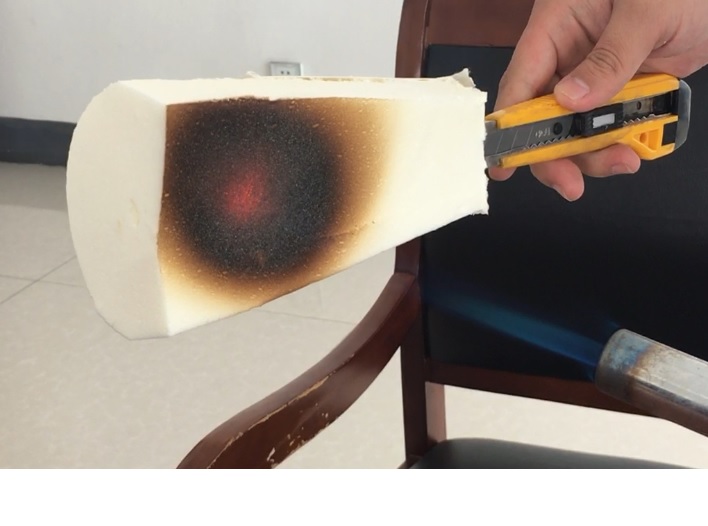
China's dominance in halogen-free flame retardants isn't a stroke of luck—it's a calculated convergence of manufacturing scale, regulatory foresight, and raw material control. While brominated compounds have been the global default for decades, tightening environmental mandates and consumer demand for safer electronics have put bromine under scrutiny. China recognized this shift early, channeling investment into phosphorus-based, nitrogen-based, and inorganic alternatives that don’t just meet Western safety standards but often exceed them. This proactive shift has allowed Chinese producers to bypass the legacy costs and environmental baggage tied to legacy bromine processes, carving a cleaner path from the start.
The supply chain story is just as compelling. China sits on vast reserves of phosphorus and other minerals critical to halogen-free formulations, giving local manufacturers a cost and logistics edge that competitors struggle to match. Beyond raw materials, the country's integrated chemical parks allow for seamless scaling—from R&D pilot lines to commercial quantities—without the fragmented multi-country hops seen elsewhere. This vertical integration means shorter lead times and tighter quality loops, making Chinese halogen-free products not only competitively priced but also more consistent batch-to-batch.
Yet the real differentiator might be urgency. As the world's largest electronics producer and consumer market, China deals with the end-of-life consequences of its products firsthand. Informal e-waste processing once exposed communities to brominated dioxins, fueling a grassroots push for safer materials. That domestic pressure, combined with a policy environment that increasingly ties industrial growth to ecological mandates, has turned halogen-free development into a national priority, not just a branding exercise. The result is a self-reinforcing loop: higher domestic demand drives innovation, which in turn lowers costs and spurs global adoption.
Eco-Labels and Mandates: Policy as a Catalyst
In many markets, eco-labels serve as more than just a consumer guide—they are a deliberate policy instrument designed to reshape production and consumption patterns. When governments mandate environmental performance standards and link them to certification, they force industries to innovate or risk losing market access. This regulatory push can level the playing field, ensuring that companies that invest in sustainability aren’t undercut by those that externalize environmental costs. Over time, these mandatory labels can shift entire supply chains toward greener practices, as producers find that meeting the criteria opens doors to both public contracts and a growing segment of eco-conscious buyers.
The real power of these policies emerges when they set ambitious baselines that evolve. For example, a mandate requiring appliances to display energy ratings and meet minimum efficiency thresholds can trigger successive rounds of technological improvement, as manufacturers compete to claim the top-tier designation. This dynamic often spills beyond the regulated sector, as the innovations and cost reductions achieved under compliance become attractive even in unregulated markets. Moreover, coupling mandatory labels with public procurement rules or tax incentives creates a multiplier effect, amplifying demand and accelerating the transition toward cleaner products.
However, the effectiveness of such policies hinges on rigorous oversight and continuous refinement. Without robust enforcement, the labels risk becoming hollow symbols, undermined by misleading claims that erode trust. Policymakers must therefore invest in transparent verification systems and periodically tighten criteria to reflect new scientific understanding and technological advances. When done well, eco-labels backed by mandates do more than inform—they transform markets, making sustainability a default rather than an option.
Material Innovation Sparks Safer Electronics and Vehicles
Advances in material science are quietly reshaping the safety landscape of modern electronics and vehicles. Engineers are developing new composites and nanomaterials that can better dissipate heat, resist impact, and even self-heal minor damage. These improvements mean batteries that are less prone to overheating, circuit boards that can survive harsher conditions, and structural components that absorb more energy in a collision. It's a shift from simply making devices smaller and faster to making them inherently more resilient in the face of everyday stresses and rare catastrophic events alike.
One promising area is the use of solid-state electrolytes in batteries, replacing the flammable liquid electrolytes that have been a persistent fire risk in everything from smartphones to electric cars. Combined with ceramic separators and advanced thermal management materials, next-generation power sources are becoming far less volatile. Meanwhile, lightweight yet exceptionally strong metal alloys and carbon-fiber-reinforced polymers are being integrated into vehicle frames, offering better crash protection without the weight penalty. These materials don't just protect passengers; they also extend the lifespan of electronic components by shielding them from vibration and temperature extremes.
Beyond preventing failures, material innovation is enabling proactive safety features. Smart coatings can detect microscopic cracks and change color to alert users before a component fails. Shape-memory alloys and polymers are being used in sensors and actuators that respond instantly to environmental changes, helping to stabilize vehicles on slippery roads or to automatically disconnect a faulty battery cell. As researchers continue to push the boundaries of what materials can do, the line between structure and safeguard blurs, making our devices and vehicles not just smarter, but inherently safer from the inside out.
Toxicity Reduction: From Smoke to Sustainability
For decades, the narrative around tobacco centered on the sensory rituals of smoke—the crackle of a burning cigarette, the curl of ash, the deep inhale. But behind that familiar haze lies a cocktail of thousands of chemicals, many of them toxicants formed through combustion. The shift away from burning marks not just a technological pivot, but a fundamental rethinking of what harm reduction can look like. By removing the flame, we begin to dismantle the most damaging part of the experience: the creation of tar and carbon monoxide that have long been the primary culprits in smoking-related diseases.
Alternative systems now heat rather than burn, releasing nicotine and flavor without the toxic byproducts of combustion. This isn’t about replacing one habit with an identical risk—it’s about providing a pathway that acknowledges adult desires while drastically cutting exposure to harmful compounds. The science is clear: reduced heat means reduced chemical reactions that generate carcinogens. For those who won’t or can’t quit nicotine entirely, these innovations offer a middle ground where ritual meets responsibility, swapping an open flame for a controlled, cleaner delivery.
Yet the journey from smoke to sustainability isn’t solely about personal health—it’s also about environmental impact. Cigarette butts, the most littered item on the planet, leach toxins into soil and waterways. Shifting toward reusable devices and non-combustible options curbs that waste stream. As battery technology improves and recycling programs expand, the lifecycle of these products inches closer to a circular model. The goal isn’t perfection but progress: a smoke-free world where harm reduction guides both human biology and the ecosystems around us, proving that letting go of fire can ignite meaningful change.
The Next Frontier: Bio-Based Phosphorus and Nitrogen Synergies
Phosphorus and nitrogen rarely share the spotlight in bio-based innovation, but their combined potential is quietly reshaping how we think about sustainable chemistry. While nitrogen fixation and phosphorus recovery each have long histories, deliberately weaving them together in biological systems opens doors that neither element could unlock alone. This synergy isn't just about boosting fertilizer efficiency—it's about reimagining nutrient cycles at a molecular level, where microbes, enzymes, and engineered pathways collaborate to transform waste into high-value compounds without the carbon footprint of traditional synthesis.
What makes this frontier so compelling is the way it sidesteps entrenched trade-offs. For decades, we've chased nitrogen efficiency at the expense of phosphorus runoff, or mined phosphate rock while ignoring the energy-hungry Haber-Bosch process. Bio-based synergies upend that logic by creating closed-loop systems where one element's metabolic pathway generates the precise chemical environment needed to mobilize or upgrade the other. In practical terms, this means designing microbial consortia that simultaneously fix nitrogen and solubilize phosphate from recalcitrant sources, or engineering enzyme cascades where the product of a nitrogen transformation becomes the phosphorylating agent in the next step.
The implications stretch far beyond agriculture. Imagine industrial fermentations that self-supply both macronutrients from low-grade biomass, or bioplastics embedded with phosphorus-nitrogen motifs that enhance flame retardancy and biodegradability in tandem. The real breakthrough, though, lies in the adaptability of these systems: by tweaking redox conditions or quorum-sensing signals, we can fine-tune the choreography to suit everything from wastewater treatment to pharmaceutical intermediates. This isn't just green chemistry layered onto old infrastructure—it's a fundamentally different way of working with the periodic table, where synergistic biology does the heavy lifting that chemistry alone has struggled to achieve.
FAQ
Halogen-free flame retardants are additives that do not contain halogens like chlorine or bromine. Unlike traditional halogenated versions, they release less toxic smoke and corrosive gases during fires, making them a safer choice for both human health and the environment.
China is emphasizing halogen-free options due to rising environmental awareness and tighter regulations on hazardous substances. This shift aligns with the country’s eco-conscious goals, reducing the ecological footprint of fire safety materials while maintaining high safety standards.
They are increasingly used in construction, electronics, automotive, and textiles. For instance, in construction, they are incorporated into insulation materials and cables, while in electronics, they help make device casings and circuit boards safer and more sustainable.
They produce significantly less toxic smoke and dioxins when burned, lower the risk of water and soil contamination in the event of a fire, and often support recycling efforts, contributing to a circular economy.
While early formulations sometimes fell short on fire resistance, modern halogen-free flame retardants have been engineered to meet or even exceed traditional performance metrics, offering robust fire protection without compromising environmental safety.
Stricter national standards and green building certifications are pushing manufacturers to adopt halogen-free solutions. Regulations like RoHS and China’s own eco-labeling initiatives are accelerating the transition by mandating lower hazardous substance content.
Innovation is key, with Chinese companies investing in new phosphorus-based, nitrogen-based, and mineral-derived formulations. These advancements improve thermal stability, reduce material costs, and enhance compatibility with various polymers, driving wider adoption.
Yes, they can. Through advanced synergists and nano-technology, modern halogen-free systems provide excellent flame retardancy, often passing rigorous fire tests such as UL 94 V-0, ensuring they are equally effective in protecting lives and property.
Conclusion
China’s shift toward halogen-free flame retardants marks a fundamental rethinking of fire safety, moving away from legacy brominated and chlorinated compounds that pose environmental and health risks. Green chemistry principles are reshaping how materials achieve flame resistance, replacing hazardous additives with phosphorus-based, nitrogen-based, and inorganic systems that maintain performance without persistent toxicity. This transition has been accelerated by a growing body of regulations and eco-labeling schemes that prioritize sustainable production and end-of-life disposal. Chinese policies now actively encourage non-halogen options in electronics, construction, and transportation, making compliance a driver of innovation rather than a burden.
At the material level, breakthroughs in polymer science are yielding flame-retardant formulations that protect high-value assets like electric vehicle batteries, 5G infrastructure, and consumer electronics, where thermal management is critical. These new materials reduce smoke density and corrosive gas release during fires, directly addressing the reality that smoke inhalation often causes more harm than burns. The pursuit of sustainability now extends to bio-based synergists derived from renewable resources, with research into phosphorus-nitrogen combinations that not only extinguish flames but also lower the carbon footprint of the additives themselves. China’s integrated ecosystem of policy, research, and industrial scale positions it as a global hub for eco-conscious fire protection, demonstrating that safety and environmental stewardship can advance hand in hand.
Contact Us
Contact Person: Guohua Wang
Email: [email protected]
Tel/WhatsApp: 8613003442895
Website: https://www.xxflameretard.com