

Chinese Copper Plates: A Deep Dive into Art, History, and Craftsmanship
2026-04-03
Step into the world of Chinese copper plates, where ancient artistry meets modern craftsmanship. In this deep dive, we explore the rich history, intricate techniques, and cultural significance that have shaped these remarkable pieces over centuries. From imperial workshops to contemporary studios, the journey reveals how tradition evolves—exemplified by innovators like Jiangsu Baowu New Materials. Join us as we uncover the stories etched in metal, blending timeless beauty with cutting-edge innovation to captivate both art lovers and history enthusiasts.
The Artistic Evolution of Chinese Copper Plates Through Dynasties
Tracing the development of Chinese copper plates across dynasties reveals a fascinating journey of artistic innovation and cultural expression. From the ritual bronzes of the Shang and Zhou periods, adorned with intricate motifs symbolizing power and spirituality, to the more refined and diverse uses in later eras, copper plates evolved as both functional objects and artistic canvases. The Tang Dynasty, for instance, saw a flourishing of copperware with elaborate engravings depicting scenes from court life and mythology, reflecting the empire's prosperity and openness to foreign influences.
During the Song Dynasty, there was a shift towards subtlety and elegance in copper plate art, with artisans experimenting with new techniques like inlay and gilding. This period emphasized refined craftsmanship, often incorporating poetic and calligraphic elements inspired by literati culture. The Ming and Qing dynasties further expanded on this, introducing polychrome enamels and intricate repoussé work, blending traditional Chinese aesthetics with influences from trade routes, particularly during the Ming's maritime explorations.
In modern times, the evolution continues as contemporary artists reinterpret ancient copper plate traditions, merging them with global art movements. This dynamic history showcases how copper plates have not only served practical uses in ritual, daily life, and decoration but have also mirrored China's broader artistic and social transformations, making them a unique lens through which to view centuries of cultural heritage.
Mastering Traditional Techniques in Copper Plate Craftsmanship
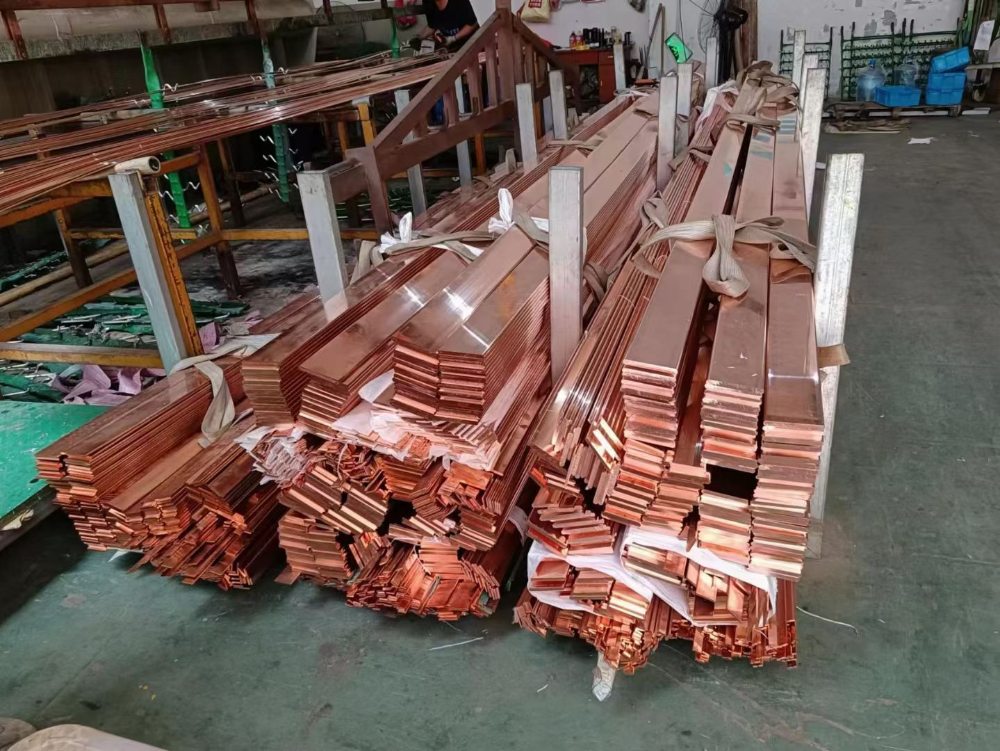
Delving into the world of copper plate craftsmanship requires more than just a passing interest; it demands a deep appreciation for the timeless methods that have been passed down through generations. These techniques, honed by artisans over centuries, involve meticulous processes such as hand-hammering, engraving, and patination, each step requiring a keen eye and steady hand. Mastering these skills isn't about shortcuts or modern automation; it's about embracing the slow, deliberate practice that transforms raw copper into intricate works of art, where every dent and curve tells a story of patience and precision.
What sets true mastery apart is the ability to blend these traditional methods with a personal touch, allowing artisans to create pieces that resonate with both history and individuality. For instance, learning to control the heat during annealing or perfecting the pressure in embossing can elevate a simple plate into a stunning display of texture and depth. It's this nuanced understanding of material behavior and tool handling that distinguishes expert craftsmen, enabling them to produce copper plates that not only look beautiful but also stand the test of time, echoing the durability and elegance of bygone eras.
In today's fast-paced world, mastering these techniques offers a refreshing counterpoint, emphasizing the value of handcrafted quality over mass production. By immersing oneself in practices like chasing or repoussé, artisans can develop a unique style that stands out in a market flooded with generic items. This commitment to traditional craftsmanship not only preserves cultural heritage but also inspires innovation, as each new piece becomes a testament to skill and creativity, inviting viewers to pause and appreciate the artistry behind every meticulously crafted copper plate.
Key Historical Events Shaped by Copper Plate Artifacts
Copper plates, often inscribed with intricate designs or texts, have played a surprising yet pivotal role in shaping key historical events across civilizations. For instance, in ancient India, the famous Ashoka Edicts, carved on copper plates among other materials, disseminated Buddhist principles and administrative decrees that unified a vast empire and fostered social harmony, influencing political and religious developments for centuries. These artifacts not only preserved laws but also facilitated cultural exchange, as seen in the Mediterranean where copper plates from Phoenician trades documented early commercial networks that spurred economic growth and geopolitical shifts.
In medieval Europe, copper plate engravings became instrumental during the Renaissance, enabling the mass production of maps and scientific illustrations. This technological advancement, exemplified by works like those of Albrecht Dürer, accelerated the spread of knowledge, fueling the Scientific Revolution and exploration age, which in turn redrew global boundaries and sparked colonial endeavors. The durability of copper plates ensured that records of treaties and discoveries, such as those from the Age of Discovery, remained intact, providing tangible evidence that historians now use to reconstruct pivotal moments like the Treaty of Tordesillas or the mapping of new continents.
Moreover, copper plate artifacts have shed light on lesser-known events, such as the rise of early Islamic empires or pre-Columbian cultures in the Americas. Discoveries like the Copper Scroll from the Dead Sea Scrolls, though controversial, have sparked debates about historical treasures and religious narratives, demonstrating how these relics continue to influence our understanding of the past. By bridging gaps in written history, copper plates offer a unique lens through which we can trace the interconnectedness of human societies and the lasting impact of material culture on world events.
Decoding Symbolism and Motifs in Ancient Copper Designs
Ancient copper artifacts are more than just functional objects; they serve as intricate tapestries woven with symbolic meaning, reflecting the beliefs and worldviews of past civilizations. Copper, readily available and workable, became a favored medium across cultures—from the Indus Valley to Mesopotamia and beyond—for encoding religious, social, and cosmic concepts into tangible forms. Each motif, whether a spiral, animal figure, or geometric pattern, carries layers of interpretation, hinting at fertility rituals, celestial alignments, or shamanic journeys, offering a glimpse into how ancient peoples grappled with existence through art.
Consider the recurring use of spirals and serpentine patterns in copper designs, often dismissed as mere decoration but rich in symbolic depth. In many ancient societies, these motifs symbolized the cyclical nature of life, death, and rebirth, echoing the rhythms of seasons and celestial bodies. For instance, in prehistoric Europe, copper spirals on artifacts like the Nebra Sky Disk might have represented astronomical cycles, while in Mesoamerican cultures, serpent imagery linked to deities like Quetzalcoatl conveyed themes of transformation and knowledge. Decoding these elements requires piecing together archaeological clues, suggesting that copper served as a durable ledger for cultural narratives.
Beyond abstract patterns, animal motifs in copper designs reveal a deep connection between humans and the natural world, often imbued with totemic or protective significance. Birds, fish, and predators etched or molded into copper items—such as amulets or ceremonial vessels—could signify clan identities, spiritual guides, or offerings to gods. This practice underscores how these artifacts bridged daily life and the divine, with copper's reflective sheen possibly enhancing their symbolic power by mirroring light or water, elements associated with purity and renewal. Unraveling these motifs invites a broader appreciation of ancient ingenuity, where metalwork transcended craftsmanship to become a language of meaning.
Preservation Challenges for Copper Plates in Modern Museums
Copper plates, often prized for their historical and artistic significance, face unique preservation hurdles in contemporary museum settings. Unlike more stable materials like stone or ceramics, copper is highly reactive to environmental factors, making it susceptible to corrosion and degradation. Museums must carefully control humidity levels, as excessive moisture can accelerate tarnishing and pitting. Additionally, fluctuating temperatures can cause expansion and contraction, potentially leading to cracks or warping in delicate plates, especially those with intricate engraving or inlay work. These challenges demand specialized conservation approaches to maintain the plates' integrity and aesthetic appeal over time.
Exposure to pollutants and contaminants poses another significant threat to copper plates in modern museums. Airborne substances such as sulfur compounds, common in urban environments, can react with copper to form corrosive patinas or verdigris, which may obscure original details or damage the surface. Light exposure, particularly ultraviolet radiation from natural or artificial sources, can also degrade copper over long periods, causing discoloration or weakening the metal's structure. To mitigate these risks, museums often employ controlled lighting and air filtration systems, but these measures require ongoing monitoring and maintenance to ensure effectiveness without compromising the plates' accessibility for study or display.
The handling and storage of copper plates present additional preservation challenges that modern museums must address. Improper cleaning methods or the use of abrasive materials can scratch or erode the surface, while inadequate support during transportation or exhibition can lead to physical stress and deformation. For instance, copper plates may be vulnerable to denting or bending if not properly cushioned or mounted. Moreover, storage in non-archival materials, such as acidic paper or certain plastics, can introduce harmful chemicals that accelerate deterioration. Developing comprehensive protocols for handling, cleaning, and storing copper plates is crucial to safeguarding these artifacts for future generations, balancing preservation with public engagement.
Innovative Contemporary Uses of Copper Plates in Art and Design
In today's art and design scenes, copper plates are no longer confined to traditional etchings or industrial applications; they've become a versatile medium for boundary-pushing creations. Artists are leveraging copper's unique patina, which develops naturally over time, to embed narratives of change and decay into their works. For instance, mixed-media installations might combine untreated copper panels with organic materials, allowing oxidation to create dynamic, evolving patterns that reflect themes of temporality and transformation. This approach moves beyond static art, inviting viewers to witness a piece's life cycle unfold, much like watching nature reclaim urban spaces.
Designers are also reimagining copper plates in functional contexts, blending aesthetics with sustainability. In interior design, large-scale copper wall panels are used not just for their warm, reflective glow but for their antimicrobial properties, making them ideal for healthcare or hospitality settings. Architects experiment with perforated copper sheets in façades, where they serve dual purposes: controlling light and ventilation while creating shimmering, textured surfaces that shift with the sun's movement. These applications demonstrate how copper's inherent qualities—durability, malleability, and environmental friendliness—are harnessed to solve modern design challenges without sacrificing artistic flair.
Moreover, the fusion of technology with copper plate artistry is opening new frontiers. Digital fabrication techniques, such as laser cutting or 3D embossing, allow for intricate, impossible-by-hand designs that play with light and shadow in mesmerizing ways. Some artists incorporate electronic elements, embedding LEDs or sensors behind copper mesh to create interactive installations that respond to touch or sound, bridging the gap between craft and digital innovation. This trend highlights a shift toward experiential art, where copper's conductive properties are exploited not just for beauty but for engaging audiences in multisensory dialogues.
FAQ
Chinese copper plates often feature intricate repoussé and chasing techniques, where artists hammer designs from the back to create raised relief on the front, combined with detailed engraving for fine lines and textures.
From ancient ritual vessels in the Shang and Zhou dynasties to decorative items in the Ming and Qing periods, copper plates evolved with shifts in religious practices, trade, and artistic tastes, mirroring China's social and political transformations.
Artisans typically use high-quality copper alloys, along with hammers, chisels, and punches for shaping, and sometimes patinas for coloring, relying on skilled handwork rather than mass production methods.
A famous style is the 'cloisonné' technique on copper, where enamel is applied within wire partitions, seen in Ming dynasty plates that showcase vibrant floral and mythical motifs.
Contemporary artists blend traditional techniques with modern designs, incorporating abstract themes or using digital tools for planning, while still emphasizing handmade quality to preserve cultural heritage.
They serve as important artifacts in museums and private collections, studied for historical insights, and are promoted through workshops and exhibitions to educate about traditional metalworking arts.
Yes, regions like Yunnan and Tibet have unique styles; for instance, Tibetan copper plates often feature Buddhist iconography, while southern styles might emphasize more delicate, nature-inspired patterns.
Challenges include declining numbers of skilled craftsmen, competition from cheaper industrial products, and the need to adapt to contemporary markets while maintaining authenticity and artistic value.
Conclusion
Chinese copper plates offer a fascinating window into China's rich cultural heritage, artfully blending artistic evolution, historical significance, and masterful craftsmanship. Through dynastic changes, these plates have evolved in style and technique, reflecting shifts in societal values and artistic expressions from ancient times to modern eras. Traditional methods in copper plate craftsmanship, passed down through generations, showcase intricate skills in engraving, etching, and finishing that highlight the artisans' dedication to detail and aesthetic precision. Historical events often find their echoes in copper plate artifacts, with pieces serving as tangible records of political, religious, or social milestones, thus embedding them deeply in the nation's narrative fabric.
Beyond their historical roles, copper plates are notable for their symbolic motifs, which decode layers of meaning from mythological themes to everyday life scenes, enriching our understanding of ancient cultures. In contemporary settings, preservation efforts in museums face challenges like corrosion and environmental damage, yet innovative uses in art and design breathe new life into this traditional medium, blending old-world charm with modern creativity. This dynamic interplay ensures that Chinese copper plates remain not only relics of the past but also vibrant contributors to ongoing artistic and cultural dialogues, making them a timeless testament to human ingenuity and cultural continuity.
Contact Us
Contact Person: Zoe Liang
Email: [email protected]
Tel/WhatsApp: 86 189 2128 6299
Website: https://www.baowuchina.com