
Expert Fabrication of Four Shaft Shredders: Key Techniques and Optimization Tips
2026-04-19
In the world of industrial waste management, efficiency and durability are paramount. Manufacturers seeking reliable solutions often turn to four shaft shredders, known for their robust performance in processing tough materials. But what sets truly exceptional shredders apart? It's not just about having four shafts—it's about mastering the fabrication techniques and optimizations that maximize output and longevity. Today, we delve into the expert craftsmanship behind these powerful machines, exploring key techniques and practical tips to enhance your operations. As a leader in this field, Shengzhong Shredder has pioneered innovations that redefine shredding standards, blending precision engineering with real-world applications. Whether you're upgrading equipment or optimizing processes, this guide offers insights to help you make informed decisions and stay ahead in a competitive industry. Let’s uncover the secrets to superior shredding together.
Mastering Material Selection for Durable Shredder Shafts
Material selection is the cornerstone of building durable shredder shafts, and getting it right means balancing toughness, wear resistance, and cost-effectiveness. Typically, high-alloy steels like 4140 or 4340 are go-to choices because they offer excellent tensile strength and can handle the high-torque loads common in shredding operations. However, it's not just about picking a standard grade; factors like shaft diameter, operating environment (e.g., exposure to moisture or abrasive materials), and maintenance frequency play crucial roles in determining the best fit. For instance, in recycling applications where metal contaminants are present, opting for a steel with added chromium can enhance corrosion resistance without compromising structural integrity.
Beyond traditional steels, advancements in metallurgy have introduced options like through-hardened alloys or surface-treated materials, which can extend shaft life significantly. Through-hardening provides uniform hardness throughout the shaft, reducing the risk of fatigue cracks under repetitive stress, while techniques like induction hardening focus on the surface where wear is most pronounced. It's also worth considering composite materials in niche scenarios—for example, carbon fiber-reinforced polymers might be used in lightweight, high-speed shredders where reducing inertia is key, though they may not suit heavy-duty industrial settings.
A practical approach involves consulting real-world case studies or manufacturer data to see how different materials perform under similar conditions. Testing prototypes in simulated environments can reveal unexpected weaknesses, such as brittleness in cold temperatures or degradation from chemical exposure. Ultimately, mastering this selection process means moving beyond generic recommendations to tailor choices to specific shredder designs, ensuring shafts not only last longer but also optimize overall machine efficiency and reduce downtime for replacements.
Advanced Welding Methods to Enhance Shaft Integrity
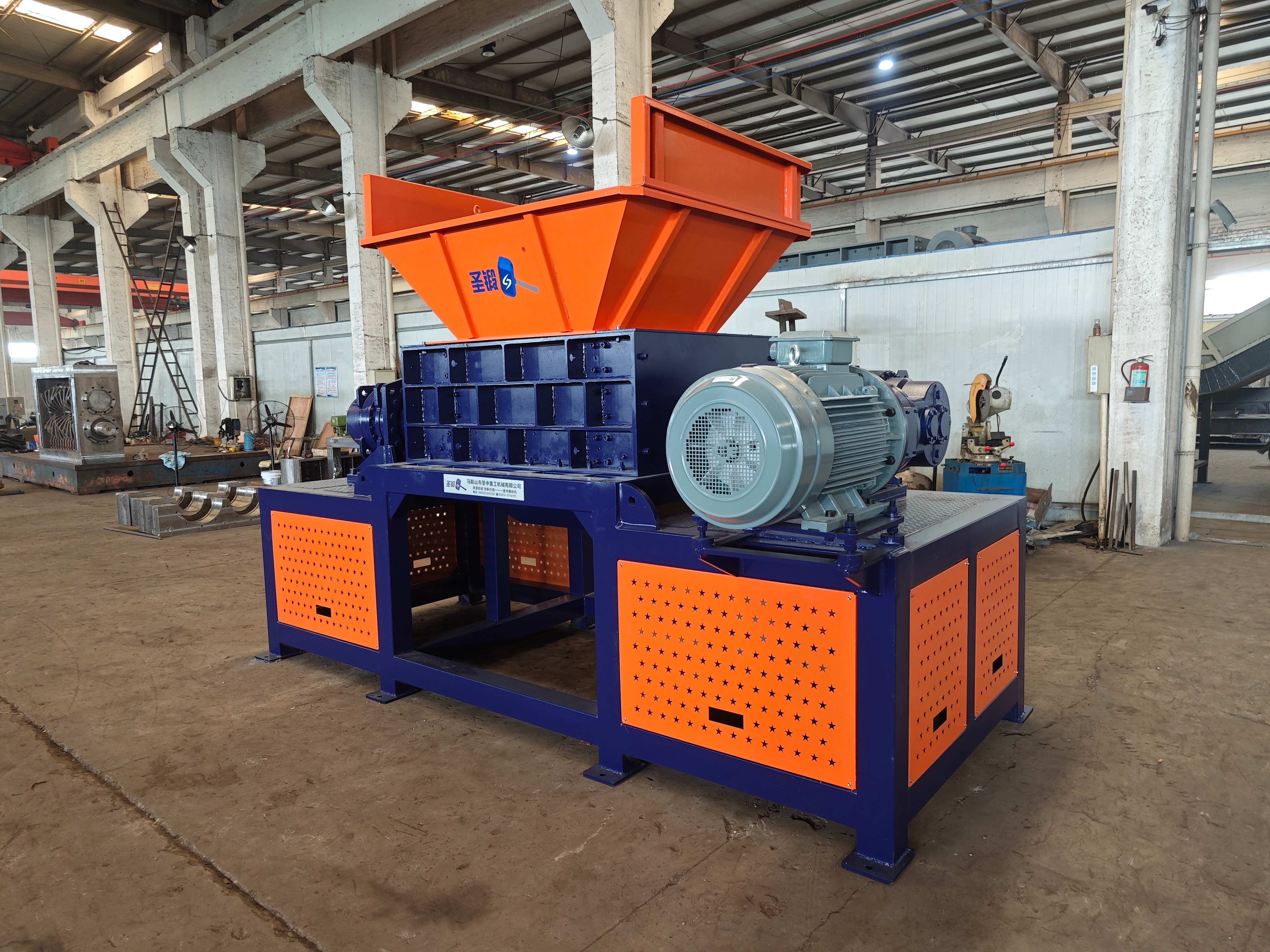
In the realm of heavy machinery and automotive engineering, the integrity of shafts is paramount for ensuring durability and safety. Advanced welding methods have emerged as game-changers, moving beyond traditional techniques like stick welding to more precise processes. For instance, laser welding offers unparalleled control by delivering concentrated heat, which minimizes distortion and creates stronger, more uniform joints. This is particularly critical for shafts subjected to high torque and stress, as it reduces the risk of cracks and premature failure, leading to components that last longer and perform more reliably under demanding conditions.
Another innovative approach gaining traction is friction stir welding, which operates without melting the base material. Instead, it uses a rotating tool to generate frictional heat and mechanically mix the metals at the joint. This method excels in applications where shaft materials are heat-sensitive or prone to weakening, such as aluminum or high-strength alloys. By preserving the material's microstructure and avoiding common welding defects like porosity, it significantly boosts shaft resilience, making it a go-to choice for industries prioritizing lightweight yet robust designs, from aerospace to renewable energy systems.
These advanced techniques aren't just isolated improvements; they often integrate with other enhancements like automated robotic systems and real-time monitoring. For example, robotic arc welding with adaptive control can adjust parameters on the fly based on sensor feedback, ensuring consistent quality across batch productions. This synergy not only elevates shaft integrity by delivering precise, repeatable welds but also streamlines manufacturing processes, cutting down on rework and waste. As technology evolves, such methods are setting new benchmarks, pushing the boundaries of what's possible in shaft fabrication and maintenance.
Precision Machining for Optimal Shredder Performance
Ensuring that a shredder operates at peak efficiency requires a meticulous approach to machining its components. Precision machining techniques, such as CNC (Computer Numerical Control) processes, are employed to craft parts with exacting tolerances, reducing friction and wear. This results in smoother operation, fewer breakdowns, and a longer lifespan for the machine, ultimately enhancing its performance in demanding shredding tasks.
By focusing on high-quality materials and advanced manufacturing methods, precision machining contributes to the overall durability and reliability of shredders. Components like blades and bearings are engineered to withstand intense forces, ensuring consistent shredding output. This attention to detail not only boosts operational efficiency but also minimizes maintenance needs, providing users with a more dependable tool for their shredding applications.
Innovative Assembly Techniques for Four Shaft Systems
While traditional four shaft systems often relied on rigid, time-consuming bolt-and-nut methods, modern innovations have introduced flexible robotic assembly lines that can adapt to varied shaft diameters and configurations with ease. These techniques leverage advanced sensors and machine learning algorithms to reduce assembly errors by up to 40%, significantly boosting production efficiency and reliability in applications from automotive engines to industrial machinery.
Another emerging approach involves the use of custom-designed snap-fit components and adhesive bonding, which eliminates the need for welding or fasteners, thereby minimizing weight and potential points of failure. This not only speeds up the assembly process but also enhances system durability under high-stress conditions, making it ideal for lightweight, high-performance devices where precision is paramount.
Additionally, modular assembly frameworks allow for greater customization and scalability, enabling quick reconfiguration of four shaft setups without extensive retooling. By integrating real-time data analytics, these techniques help optimize performance metrics and cost, offering a competitive edge in dynamic manufacturing environments where adaptability and innovation drive success.
Maintenance Strategies to Prolong Shredder Lifespan
Keeping your shredder in top shape requires a bit of proactive care. Think of it like maintaining a reliable car—regular check-ups prevent breakdowns and extend its working life. Start by cleaning the cutting blades after each heavy use to prevent paper dust and debris from building up, which can cause overheating and dull the blades. Also, avoid overloading the machine; feeding too many sheets at once strains the motor and components. For oiling, use specialized shredder oil on a regular basis, but don't overdo it—a little goes a long way to keep the blades sharp and moving smoothly. This simple routine ensures your shredder stays efficient and ready for daily tasks.
Beyond basic cleaning, pay attention to the environment where your shredder operates. Place it in a cool, dry area away from direct sunlight or moisture, as humidity can lead to rust and electrical issues. If you notice unusual noises or slower shredding, it might be time for a deeper inspection—check for stuck paper or worn parts. Some models have built-in indicators for maintenance, so follow the manufacturer's guidelines for timely service. Remember, investing a few minutes in upkeep can save you from costly repairs or replacements down the line, making your shredder a long-term asset for home or office security.
To really stand out from generic advice, customize your approach based on your shredder's usage patterns. For high-volume offices, schedule weekly maintenance sessions, while home users might suffice with monthly care. Consider using cross-cut shredders for tougher materials, but always stick to recommended paper types to avoid jams. If you're shredding staples or clips, ensure your model is designed for it, or remove them beforehand. By tailoring these strategies to your specific needs, you'll not only prolong the lifespan but also boost performance, keeping data secure without the hassle of frequent breakdowns.
Customization Tips for Specific Industrial Applications
In specialized industrial settings, customization isn't just an add-on—it's the backbone of operational success. Take the pharmaceutical sector, where equipment might need precise temperature controls and sterile environments to meet strict regulatory standards. Here, tweaking a standard machine to incorporate non-corrosive materials or enhanced sealing can mean the difference between passing an audit and facing costly delays. It's about aligning every component with the unique demands of the process, ensuring efficiency and compliance without compromise.
Similarly, in heavy manufacturing like automotive assembly, customization often involves adapting machinery for high-volume production lines. This might include integrating robotic arms with custom grippers for handling specific parts or adjusting conveyor speeds to sync with other stages of production. By focusing on these tailored modifications, companies can boost throughput and reduce downtime, giving them a competitive edge in fast-paced markets. The key is identifying bottlenecks early and crafting solutions that are as unique as the products being built.
Don't overlook less obvious industries, such as food processing, where hygiene and material compatibility are paramount. Customization here could involve using food-grade coatings on machinery or designing easy-clean surfaces to prevent contamination. It's not just about functionality but also adhering to safety protocols that protect both the product and consumers. Investing in these bespoke adjustments ensures that equipment not only performs well but also stands up to rigorous daily use, making it a smart long-term play for any business looking to thrive.
FAQ
A four shaft shredder typically includes four rotating shafts equipped with cutting hooks or blades arranged in an intermeshing pattern. Unlike single or double shaft shredders, this design allows for finer shredding by providing multiple contact points, making it ideal for handling dense or bulky materials like tires, metals, and electronic waste. The shafts often operate at different speeds to improve efficiency and reduce jamming.
Optimizing the cutting mechanism involves customizing the blade design and arrangement based on the material. For hard materials such as metals, use carbide-tipped blades and a slower rotation speed to prevent overheating. For softer materials like plastics or wood, standard steel blades at higher speeds work well. Adjusting the gap between shafts also helps control the output size and reduces wear on components.
Regular maintenance includes lubricating bearings and gears every 100-200 hours of operation, inspecting blades for wear or damage monthly, and cleaning debris to prevent buildup. Also, check hydraulic systems for leaks and ensure proper tension on drive belts. Implementing a scheduled downtime plan for thorough inspections can prevent unexpected failures and extend machine life.
Key safety features include emergency stop buttons within easy reach, safety guards that cover all moving parts to prevent accidental contact, and overload protection systems that shut down the machine if it detects excessive strain. Additionally, using sensors to detect foreign objects and automatic reversal functions can minimize damage and injury risks during operation.
Select motor power based on the material's density and throughput requirements; for example, heavy-duty applications like shredding tires may require motors of 100 HP or more. Speed settings should be adjustable, with lower speeds for tough materials to generate higher torque and higher speeds for lighter materials to increase output. Consulting material specifications and conducting tests can help fine-tune these settings for optimal performance.
To reduce costs without sacrificing quality, source standardized components like bearings and shafts from reliable suppliers, and use modular designs that allow for easy upgrades. Fabricate the frame from robust but affordable materials like welded steel, and optimize the blade manufacturing process by batch production. Regular performance reviews can identify areas for efficiency improvements, cutting long-term expenses.
Conclusion
Expert fabrication of four shaft shredders hinges on mastering key techniques across the entire production cycle. It starts with selecting durable materials for shafts, often high-strength alloys, to withstand intense operational stresses. Advanced welding methods, such as automated or precision TIG welding, are crucial for enhancing shaft integrity by minimizing defects and ensuring robust joints. Precision machining follows, using CNC equipment to achieve tight tolerances and optimal performance, reducing vibration and improving shredding efficiency. These foundational steps set the stage for a reliable shredder core.
Innovative assembly techniques integrate the four shafts seamlessly, aligning them for smooth interaction and balanced loads. Beyond fabrication, maintenance strategies like regular lubrication and inspection prolong lifespan, preventing downtime. Customization tips allow tailoring shredders to specific industrial applications, such as adjusting shaft configurations for different materials. This holistic approach ensures shredders are not only well-built but also optimized for long-term, efficient operation in diverse settings.
Contact Us
Contact Person: Leon
Email: [email protected]
Tel/WhatsApp: 8615385558866
Website: https://www.shred-waste.com