

Extruder Company Insights for Better Manufacturing Choices
2026-11-16
Choosing the right extruder partner can quietly decide whether your production line runs smoothly or stalls on avoidable bottlenecks. At SFC, we have spent years watching how small engineering choices ripple through rubber and plastic manufacturing, and the patterns are rarely obvious from a spec sheet alone. This post pulls back the curtain on what separates reliable extrusion systems from costly compromises—so you can make decisions that hold up on the factory floor, not just in a brochure.
The Real Reason Your Extruder Choice Dictates Product Consistency
The link between extruder selection and product consistency isn't just about output rate. Different extruder types and screw configurations produce very different shear histories, residence time distributions, and melt temperature profiles. A single-screw extruder with a basic metering section may create wide variations in melt quality if the feed stock varies even slightly, whereas a co-rotating twin-screw unit with carefully placed mixing elements can even out those fluctuations. That mechanical difference shows up in the final product as density shifts, surface defects, or subtle changes in mechanical properties.
Thermal control and pressure stability also sit at the core of the issue. Poorly matched barrel heating or a worn screw can let temperature drift region by region, which alters viscosity and flow behavior at the die. The result is that parts made an hour apart may still fall within spec but no longer match each other. Choosing an extruder with tighter thermal zoning, consistent compression, and a geometry that matches the material's rheology keeps those variables from stacking up. Consistency, in practice, is less about a single setting and more about the machine's ability to repeat the same conditions every few seconds.
Uncovering the Hidden Trade-offs in Custom Screw Design
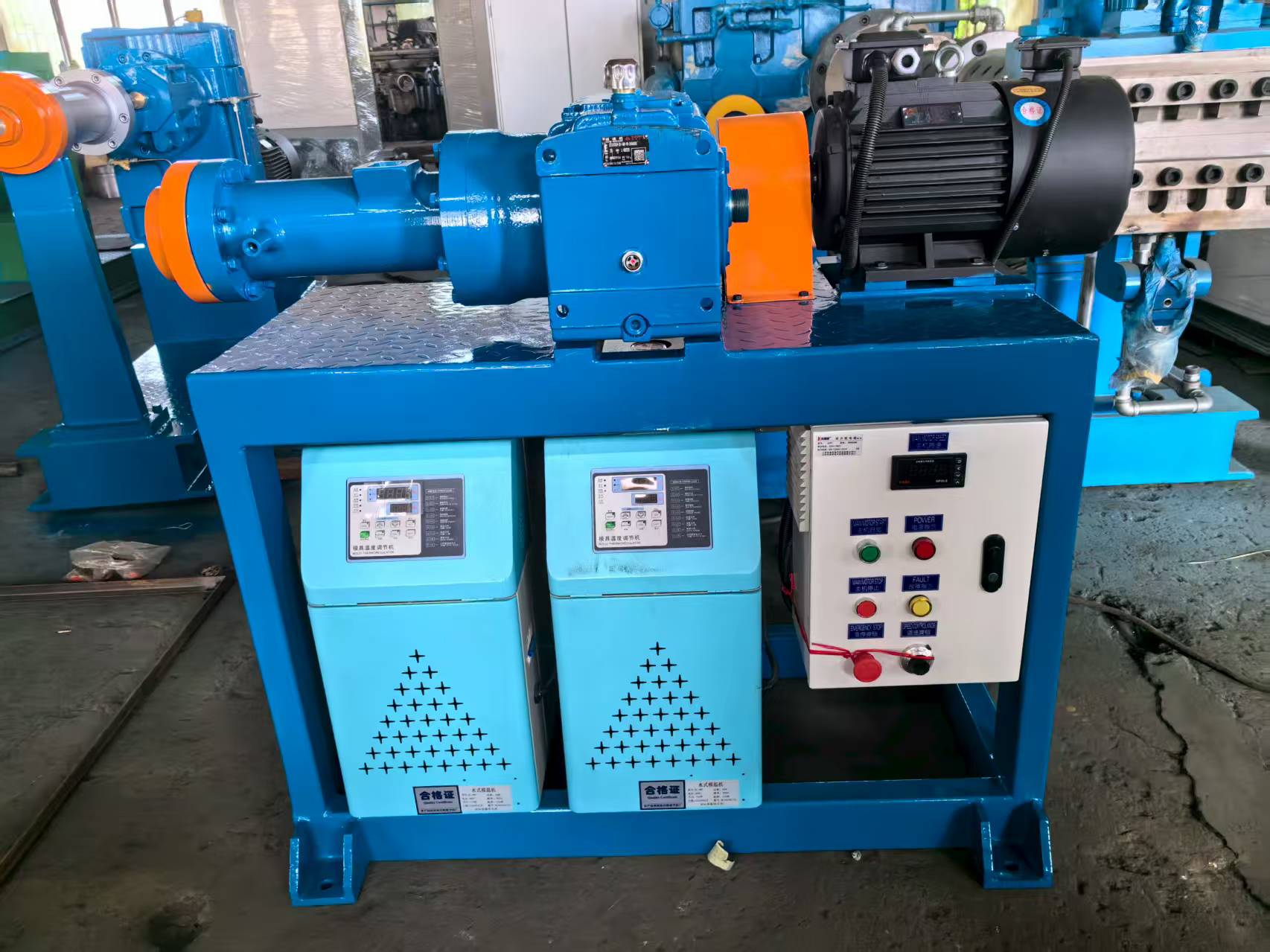
Every custom screw project starts with a clear performance target, but the path to hitting that target is rarely straight. You might pick a high-strength alloy to handle torque, only to discover it complicates thread rolling or drives up scrap rates. The real challenge isn't finding a material that meets the spec—it's balancing what the screw needs to do with what the manufacturing process can actually deliver without blowing the budget.
Take thread geometry as an example. A sharper thread profile boosts grip in soft substrates, yet it also concentrates stress at the root and makes the screw more prone to fatigue failure. Similarly, adding a custom under-head radius can reduce assembly cracking, but it often requires a secondary machining step that negates the cost savings you expected from cold forming. These hidden trade-offs don't show up in a spec sheet; they surface later, during prototyping or field testing, when redesigns get expensive.
The way to manage these trade-offs is to treat custom screw design as an iterative conversation between engineering and manufacturing. Instead of optimizing one parameter in isolation, you look at how changing the drive style affects head height, or how a corrosion-resistant coating interacts with thread tolerances. The best designs aren't the ones that eliminate every compromise—they're the ones where each compromise is understood, quantified, and accepted for the right reason.
Why Energy Draw Should Be Your First Filter, Not an Afterthought
Most people start with price, size, or brand reputation when comparing devices, only to discover months later that the real cost shows up on the utility bill. Energy draw sits at the center of that disconnect. If you treat it as the first elimination criterion, the entire decision landscape shifts: models that quietly consume twice as much power never make it past the initial screen, regardless of how attractive their sticker price looks.
Making energy draw the opening filter also changes how you evaluate performance claims. A machine that needs more watts to deliver the same task isn't working harder; it's leaking value. By checking consumption before you fall in love with features, you avoid the trap of rationalizing a poor efficiency choice later. The result is a shortlist where every remaining option already respects the operating budget you'll actually live with.
How Material Behavior Changes Everything Your Supplier Promised
A spec sheet reads like a promise: tensile strength, elongation, thermal conductivity—all neatly pinned down under controlled lab conditions. But out on the floor, the material has other plans. A polymer that tested stiff and stable at room temperature might creep and sag under continuous load once the summer heat soaks into the building. A metal that passed corrosion tests with flying colors can still pit and crack when exposed to a splash of coolant plus vibration. The supplier's numbers are a starting point, not a destination. Real behavior is shaped by time, temperature, stress concentration, and the messy unpredictability of actual use.
Consider fatigue. A datasheet might list a fatigue limit based on a polished, notch-free specimen cycled in a clean lab. Your part has a sharp corner, a weld, a scratch from handling—each one a seed for crack initiation. Suddenly the "infinite life" promise collapses into a few thousand cycles. Or take moisture absorption: a nylon gear specified with dry-as-molded dimensions will swell in a humid environment, changing backlash, tooth load, and wear rate. These are not exotic edge cases; they are the everyday reality of engineering with materials that never read the brochure.
The gap between promise and performance isn't a reason to distrust suppliers, but it is a reason to build your own margin. Test the material in the shape, finish, and environment it will actually see. Ask for data at the upper and lower ends of the operating window, not just the midpoint. And remember that "typical" values are statistical—your batch might sit at the tail of the distribution. Once you accept that material behavior is a living, shifting thing, you stop designing around a single number and start designing around a range of possibilities. That shift changes everything: safety factors, maintenance intervals, warranty terms, and the quiet confidence that comes from knowing what the material will do when no one is watching.
The Maintenance Reality Check Most Buyers Skip
Many buyers obsess over paint color and square footage while ignoring the aging systems hiding behind walls. A roof with five years left, an HVAC unit from the previous decade, or galvanized pipes that have been quietly corroding can turn a "move-in ready" listing into a cascade of invoices. Maintenance history matters more than fresh staging; ask for service records, not just warranties.
The real check happens when you stop trusting the seller's timeline and start looking at wear patterns. Water stains near the water heater, inconsistent electrical loads in the panel, or uneven cooling upstairs are clues no disclosure form will volunteer. Walking away from a beautiful kitchen because the foundation needs immediate attention isn't hesitation—it's the only kind of inspection that pays for itself.
Decoding the Support Gap Between Demo Day and Year Three
Most accelerators treat Demo Day as the finish line, but that's exactly where the quiet unraveling begins. Between the pitch-stage adrenaline and the year-three revenue targets, a gap opens up that nobody puts on a slide deck. It shows up in founder burnout, in product roadmaps that stall after the first customer churn, in the slow drift from 'we're moving fast' to 'we're still figuring out distribution.' The support that felt so intense during the cohort—mentor check-ins, peer pressure, the shared workspace—dissolves into a monthly newsletter and a Slack channel that goes silent by February.
What gets missed is that the problems founders face at month eighteen are nothing like the ones from month three. A pitch polish doesn't help you renegotiate a term sheet with a skeptical lead investor. A growth hacking workshop won't fix a co-founder relationship that's been corroding for six months under the weight of missed milestones. The support gap isn't about lack of effort; it's about mismatch. Incubators keep serving the same cafeteria menu, while the startups have already moved on to needing a private chef.
Closing that gap means rethinking what 'post-program' really entails. It's less about more office hours and more about building a durable peer cohort that meets without a facilitator. It's swapping generic playbooks for operator-led sessions on the unglamorous stuff: cap table cleanup, hiring salesperson number three, firing your first bad client. When year-three founders look back, they rarely remember the demo day applause. They remember who was still returning their calls when the metrics went sideways for two straight quarters.
FAQ
Look for how they handle screw and barrel metallurgy. A company that can discuss wear resistance for abrasive or corrosive resins, and offers specific coatings or alloys rather than generic “hardened steel,” usually has real engineering depth. Also check if they run trials on your material before quoting.
A well-thought-out layout reduces material handling time and energy loss. For example, placing the die close to downstream calibration with minimal transfer distance keeps melt temperature stable. Companies that offer modular layouts tend to adapt better when you change product dimensions later.
The control system determines how consistently you can hold melt pressure and temperature across shifts. Look for systems that log historical data and let operators fine-tune barrel zones independently. A supplier that treats controls as an afterthought often creates bottlenecks during startup and troubleshooting.
Vague promises about response time, lack of local spare parts inventory, or no clear escalation path for process issues are warning signs. The best companies will offer remote diagnostics access and keep critical wear items like screws and barrels in stock instead of making you wait weeks for shipment.
Ask for case studies or trial data with your resin family—whether it’s heat-sensitive PVC, abrasive filled compounds, or high-moisture biopolymers. A knowledgeable supplier will ask about your drying setup, regrind percentage, and additive loading before discussing machine size, which shows they think about the whole process.
Twin-screw machines give you much better control over residence time distribution and mixing intensity, which matters if you’re dispersing fillers or reactive additives. But a good extruder company will be honest about when a single-screw machine is more cost-effective—like simple profile extrusion with consistent feedstock—rather than pushing the pricier option.
Smaller operations should prioritize flexibility and ease of changeover over maximum output. Look for quick-clamp die systems, accessible screw removal, and control interfaces that don’t require an engineer on staff. Paying for unused capacity or overly complex automation can hurt payback more than a slightly slower line.
Conclusion
Most line shutdowns trace back to a decision made months earlier on a spec sheet. The extruder you pick quietly sets the ceiling for melt uniformity, and swapping a screw later rarely fixes a weak drive or a narrow temperature window. Custom screw design sounds like a shortcut to perfection, but every flight adjustment steals output somewhere else—what you gain in mixing often costs you in shear heat. Before getting lost in screw geometry, check the energy draw. A machine that consumes more power per kilogram isn't just expensive; it's changing the way your material flows. And when the supplier's lab numbers look perfect, remember that your regrind, your moisture, your lot-to-lot variation will rewrite those promises. The resin doesn't care what the datasheet said.
The real test arrives six months after installation, when the barrel shows wear patterns nobody mentioned and the gearbox starts humming a different tune. Most buyers skip a thorough maintenance reality check—asking not just what needs greasing, but what fails first under 24/5 production and how long spare parts actually take to arrive. Then there's the support gap: demo day attention is impressive, but year three is where you'll discover whether the company still answers calls about a worn shank or a drifting temperature zone. A strong extruder partner should be able to discuss screw removal clearances, recommended rebuild intervals, and what happens when a heater band dies mid-run. If those conversations are vague before the purchase, they won't improve later.
Contact Us
Contact Person: Chen Zhengwei
Email: [email protected]
Tel/WhatsApp: +86-13963975727
Website: https://www.sfcrubbermachine.com