

Freezer Glass Door Company Qualities That Matter Most in Commercial Kitchens
2026-11-19
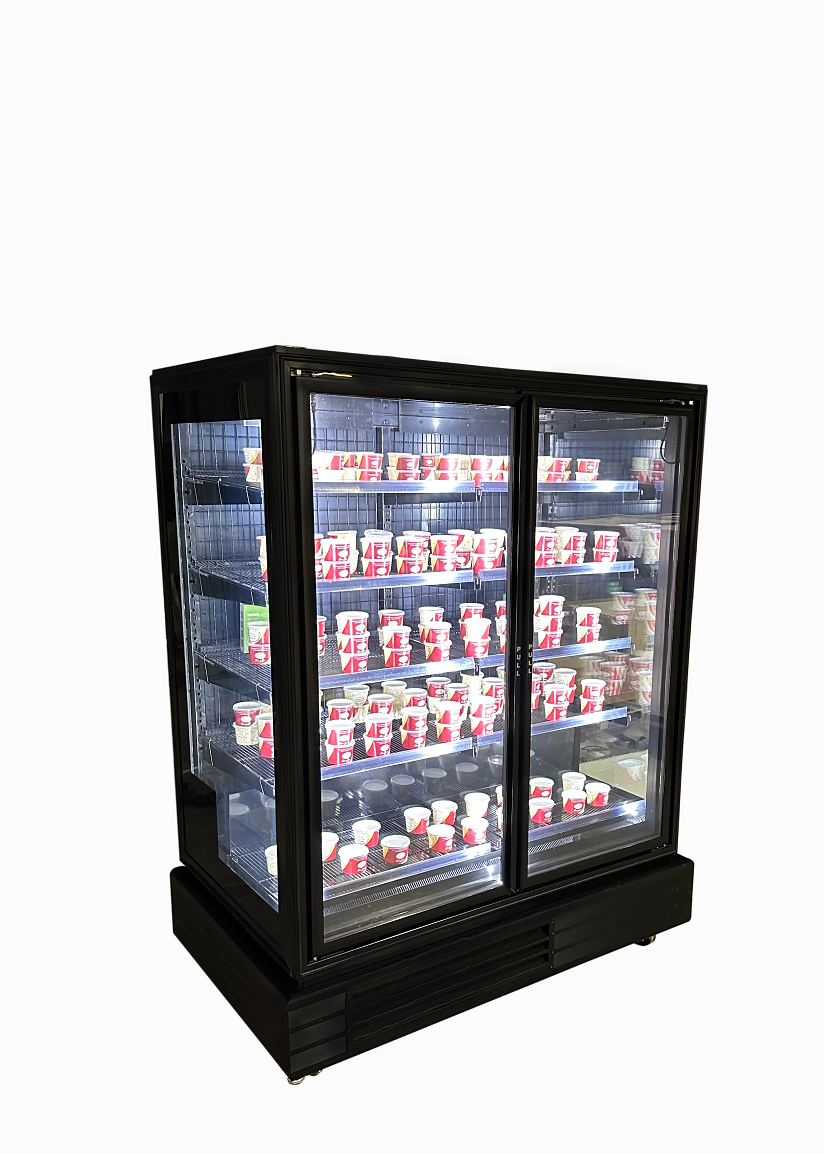
A freezer glass door in a commercial kitchen is rarely just a door. It gets yanked open mid-rush, hit with steam, smeared by busy hands, and expected to hold temperature without fogging over. The qualities that matter most don’t always show up on a spec sheet—they show up during a Friday dinner service. ART builds around that reality, from glass that stays clear under pressure to frames that don’t loosen after constant use. Here’s a closer look at what separates a door that lasts from one that quietly slows your kitchen down.
Glass That Stays Clear When the Kitchen Gets Busy
Steam tends to coat most lids within minutes, turning a quick glance into a guessing game. This one stays transparent even when several pots are bubbling at once, so you can check a simmer or a sear without lifting anything and losing heat.
The surface shrugs off condensation instead of letting it build into a foggy film. Whether you are slowly reducing a sauce or boiling pasta on a rushed weeknight, the view stays sharp enough to see color changes, liquid levels, and texture at a glance.
That clear view matters most when the kitchen is full and your hands are already busy. You keep the rhythm of cooking without pausing to wipe glass or crack the lid open, which also keeps steam and temperature exactly where they belong.
Seals That Hold Up to Constant Door Traffic
The bottom seal on a hospital corridor door takes more punishment in a week than most residential weatherstripping sees in a decade. Constant foot traffic, rolling carts, and cleaning equipment drag across the same surface hundreds of times a day. A seal that cannot shrug off that friction will tear, compress, or peel away from the frame long before the door itself shows wear. Materials with high memory rebound, such as dense EPDM or reinforced silicone, keep their shape after repeated compression instead of flattening into a useless strip.
Beyond the material, the mounting method matters just as much. Surface adhesives tend to fail when the seal is bumped from the side or pulled by a cart wheel. A better approach is a captive design, often an aluminum or rigid vinyl retainer, that holds the sealing insert in place and allows replacement without removing the entire door sweep. This detail keeps the seal aligned with the threshold so it does not catch, roll, or leave gaps after a few months of abuse.
In high-traffic openings, the real test is consistency. Once installed, the seal should still sit flush after thousands of close cycles, keeping drafts, water, and noise from slipping underneath. If the seal is chosen correctly, maintenance shifts from constant patching to an occasional visual check, which is what building teams actually need when doors never stop moving.
Frames Designed for Gloved Hands and Hard Knocks
Oversized trigger guards and a slightly scalloped grip let thick winter gloves or wet tactical gloves settle into the same position every time. There is no need to shift your hand or adjust your trigger finger mid-run; the frame naturally places your index finger in line with the trigger, while the pronounced beavertail helps prevent slide bite when your grip is rushed or less than perfect.
The polymer blend doesn't just shrug off scratches. It spreads impact through the grip and rail section so drops onto concrete, door frames, or barricades leave cosmetic scuffs rather than structural cracks. High-wear corners are rounded just enough to keep edges from digging into gloves or gear, yet the stippling still bites when you drive the support hand into place.
That balance matters when the frame is being run hard with cold, wet, or gloved hands. You get a hold that doesn't rely on perfect finger placement, and a frame that doesn't need to be babied after a hard day in the field.
Lighting That Makes Stock Checks Instant
When every second counts, the last thing a warehouse team needs is to squint at dim shelves or wait for overhead lights to warm up. High-output LED fixtures mounted directly above storage racks turn a routine stock check into a quick visual sweep. Labels, barcode edges, and batch numbers become readable from a normal standing distance, so employees spend less time climbing ladders or pulling boxes forward just to confirm what is inside.
The right light temperature also plays a surprising role. A neutral white tone, somewhere around 4000K to 5000K, keeps brown cartons, clear shrink wrap, and printed codes from blending together. Instead of guessing whether a product code ends in a 3 or an 8, staff can verify it on the first pass. That small clarity removes a common source of picking errors and double-handling.
Motion-activated zones add another layer of practical benefit. In low-traffic aisles, the lights can step down to a maintenance level, then jump to full brightness the moment someone enters. This not only trims energy use during quiet hours but also gives the space a responsive, modern feel. The result is a stock-check routine that feels less like a hunt and more like a quick confirmation.
Condensation Control Without Adding Chores
Keeping windows dry used to mean wiping them down every morning or running a noisy dehumidifier around the clock. There is a quieter way to handle it: shift the air instead of chasing the moisture. A low-wattage background ventilation unit, set to run only when humidity climbs, does most of the work while you get on with your day. No trays to empty, no filters to scrub every week.
The real difference shows up in rooms where moisture tends to settle overnight, like bedrooms and kitchens. Rather than adding another routine, you can pair the ventilation with small behavioral tweaks that already fit your day: cracking a window for a few minutes after a shower, leaving internal doors slightly open, or using lids on saucepans. These are not extra chores, just gentler versions of things you already do.
What you avoid is the slow creep of damp, peeling paint, and that musty smell in wardrobes. The goal is not a perfectly dry house that demands constant attention; it is a house that stays comfortable without you having to think about it. If the solution ever starts to feel like another job on the list, it is probably the wrong solution.
Fit and Finish That Match a Commercial Pace
The first thing you notice is how the tolerances stay tight without feeling brittle. Panels line up with a consistency that comes from someone actually caring about the gap between a fender and a door edge, not just checking a spec sheet. It’s the kind of finish that holds up when you’re loading gear in and out five times a day, not just sitting in a showroom under soft lighting.
Inside, the materials don’t pretend to be luxury, but they refuse to feel disposable. Seams are stitched where stress actually happens, and the touchpoints — steering wheel, shifter, door pulls — have a slight texture that keeps them from turning slick after a few weeks of hard use. Nothing rattles at idle, and nothing creaks when you lean your elbow on the center console while reaching for a clipboard.
This isn’t a vehicle that asks you to slow down and admire the craftsmanship. It’s built so you don’t have to think about it at all, even when the schedule doesn’t leave room for careful handling.
FAQ
Start with glass that can handle constant opening and closing. Tempered or double-pane glass with reinforced edges makes a real difference. Also check whether the company offers replacement parts quickly, because downtime in a kitchen costs more than the door itself.
In a hot, steamy kitchen they are close to essential. Anti-fog or heated glass options keep products visible and reduce the need to wipe doors mid-service. A supplier that can explain how their anti-fog technology holds up over time is worth keeping.
The door company plays a bigger role than people think. Low-emissivity coatings, proper seals, and snug frame tolerances all cut compressor load. Ask for real performance data and avoid vague claims like energy saving without numbers.
Not every kitchen has standard openings. Look for a company that can handle custom widths, hinge reversals, and different frame finishes without long lead times. Clear drawings before production and a willingness to adjust details are signs of a capable fabricator.
Ask about seal materials and replacement intervals. Magnetic or compression gaskets made from commercial-grade materials tend to outlast cheap rubber. A company that stocks replacement gaskets and gives simple maintenance guidance is more useful than one that treats seals as an afterthought.
Look for a warranty that covers glass breakage and seal failure for at least a few years, plus local or fast-shipped replacement parts. The real test is how the company handles claims: do they ask for photos and send parts, or push back?
The best suppliers provide detailed installation templates, torque specs, and direct support by phone or video call. That prevents a good door from failing early because of a bad install. A company that leaves everything to your contractor may cost you more later.
Conclusion
A freezer door in a commercial kitchen earns its place by staying easy to use when the rush hits hardest. Glass that stays clear through steam, grease, and rapid temperature swings keeps the line moving, since staff can check stock without opening the door and letting cold air spill out. That clarity matters less at the start of a shift than it does at 7 p.m., when every pause ripples through service. Seals are just as telling: they need to recover their shape after hundreds of daily openings, press evenly along the gasket, and not peel away at the corners. Frames, too, should be built for real kitchen abuse—gloved hands, cart bumps, and the occasional door swung too fast. A sturdy frame with rounded edges and a finish that doesn’t chip keeps the unit looking serviceable and, more importantly, keeps the seal alignment intact.
The smaller features often determine whether a door becomes a daily annoyance or fades into the background. Built-in lighting should make stock checks instant, with enough even coverage to read labels on the top and bottom shelves without crouching or shading the glass. Condensation control has to work quietly, clearing or preventing fog without adding extra wiping to a closing checklist. The overall fit and finish also need to reflect a commercial pace: hinges that don’t sag, handles that are easy to grab with wet or greasy hands, and surfaces that stand up to repeated cleaning. When those details line up, the door holds temperature, saves labor, and stays reliable through long service periods. That’s the real difference between a basic freezer door and one chosen for a working kitchen.
Contact Us
Contact Person: Ellen
Email: [email protected]
Tel/WhatsApp: +86-535-2229725
Website: https://www.artrefrigeration.com/