
Laser Printable Wristband Company Leads the Way in Custom Identification Solutions
2026-07-17
In a world where quick, reliable identification can make all the difference, one name is quietly revolutionizing the way we think about wristbands. BAOBI, a laser printable wristband pioneer, is redefining custom identification solutions across healthcare, events, and beyond. Forget flimsy, handwritten tags—this is precision, durability, and brand identity fused into a single strip. So, what makes their approach a game-changer in an industry hungry for innovation?
How Custom Wristbands Are Redefining Crowd Flow at Major Festivals
Festivals are notorious for bottlenecks—long queues at entrances, packed food stalls, and chaotic stage transitions. Custom wristbands equipped with RFID or NFC chips are quietly transforming these pain points. Instead of fumbling for tickets or cash, attendees simply tap their wristband at checkpoints. This small change drastically cuts wait times and keeps the energy alive.
Beyond entry, the data gathered from these wristbands allows organizers to see crowd density in real time. If a certain area becomes too congested, staff can redirect foot traffic by pushing notifications to the wristband’s LED or via partnered apps. It’s a proactive approach that prevents overcrowding before it becomes dangerous.
What’s more, the wristbands can unlock personalized experiences—access to VIP areas, cashless payments, or even interactive art installations. This not only disperses crowds by offering multiple points of interest but also makes the festival feel tailor-made, turning logistical efficiency into a seamless part of the adventure.
The Overlooked Durability of Laser-Printed Wristbands in Harsh Conditions
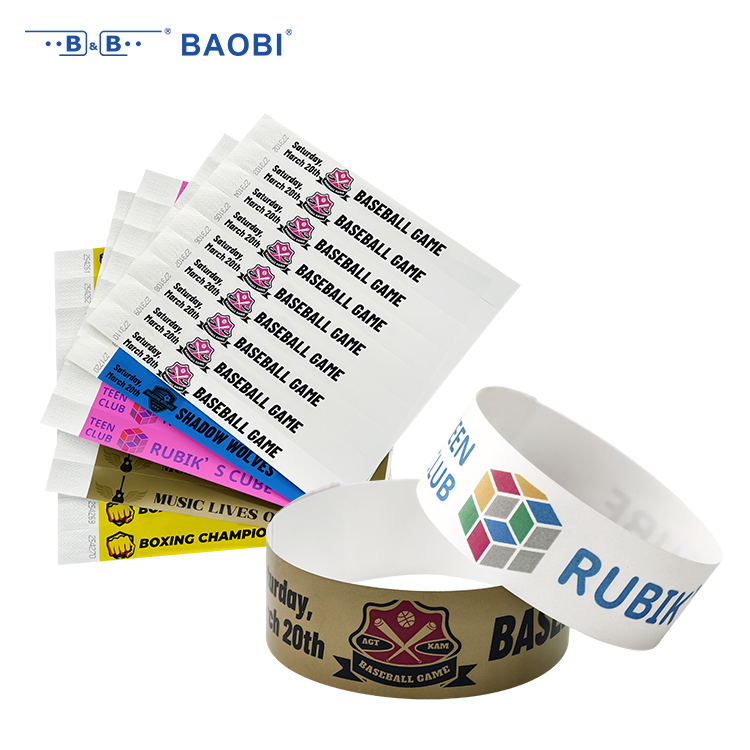
Most event organizers fixate on color vibrancy or design flexibility when choosing wristbands, yet durability in harsh conditions rarely tops the checklist. Laser-printed wristbands aren't just about crisp logos; they withstand prolonged sun exposure, saltwater immersion, and constant friction without fading or peeling. The toner bonds deeply with flexible materials like Tyvek or silicone, creating a resilient layer that laughs at what would ruin inkjet prints in minutes.
It's the subtle engineering that deserves attention. Unlike surface-level dye printing, the laser process fuses pigment right into the band's substrate. That means when sweaty festival-goers thrash in mosh pits, or construction workers wear them on dusty sites, the print stays locked in place. Even chemical exposure from sunscreens or cleaning agents doesn't smudge the text. This resilience is often taken for granted until someone compares a week-old laser-printed band to its screen-printed counterpart, which already looks like a relic.
Beyond longevity, this durability translates into security. A wristband that stays legible under stress reduces the risk of accidental removal or tampering, keeping access control tight. It's not just a wearable tag; it's a silent workhorse that maintains its purpose through rain, grime, and relentless motion. Next time you're planning an outdoor event or long-term project, give a thought to the understated toughness of laser printing—it might just save you a logistical headache.
Why Off-the-Shelf ID Solutions Are Failing Modern Events
Modern events demand fluid, context-aware identity verification that generic solutions simply can't deliver. Off-the-shelf ID tools are built for broad use cases, not the dynamic choreography of a live gathering where things shift by the hour. They fail to adapt when a VIP list changes last minute or when access levels need to be redrawn on the fly. The rigid rule engines behind them create friction, turning what should be a seamless entry into a bottleneck. Attendees feel it, organizers dread it, and the whole experience suffers because the technology was never designed to breathe with the event.
Another quiet failure happens behind the scenes. Standard ID solutions often can't speak the language of the other event systems. They don't integrate with on-site badge printing, session check-in apps, or real-time capacity tracking without heroic IT effort. This disconnect breeds data silos, delays, and manual workarounds that undercut the very efficiency they promise. When a system can’t talk to the CRM or match a face to a ticket in milliseconds, it doesn't just slow down the line—it erodes trust in the event's entire production value.
Perhaps most critically, off-the-shelf options overlook the emotional arc of an attendee's arrival. They treat identity as a binary gate: pass or fail. Modern events are about nuance—welcoming a VIP with a personal touch, flagging a security concern discreetly, or recognizing a returning guest without making them feel like a number. Generic solutions lack the memory and personalization to pull this off. They were built for one-time transactions, not for cultivating a sense of belonging. In an industry where first impressions are everything, that's a design flaw, not just a feature gap.
A Closer Look at the Tech Behind Instant Wristband Personalization
Instant wristband personalization relies on a blend of thermal printing, RFID encoding, and smart material innovation. At its core, the process starts with a blank wristband made from a special synthetic substrate that responds rapidly to heat. When a design or text is sent from a connected device, a high-resolution thermal printhead activates thousands of tiny heating elements in milliseconds, transferring pigment or chemically altering the surface to create crisp, durable graphics. Unlike traditional inkjet or laser methods, this approach eliminates drying time and avoids smudging, making it ideal for on-demand use at event check-ins or hospital admissions.
Behind the scenes, embedded RFID or NFC inlays add another layer of functionality. As the wristband is personalized, an integrated encoder writes unique identifiers or links to the chip, syncing it with a backend database. This happens in a single pass, so the wristband isn’t just visually customized but also wirelessly actionable — tapping it can verify identity, track access, or process cashless payments. Advanced systems use self-calibrating antennas and power management to ensure reliable reads even when the wristband is worn loosely or near metal surfaces.
The software driving this integration uses lightweight machine learning models to adapt layouts in real time, ensuring barcodes and text remain scannable despite the curvature of a wrist. It also performs on-the-fly color management, compensating for ambient temperature and substrate variance. Some platforms incorporate biometric data like skin tone detection to suggest optimal contrast ratios, all while maintaining sub-second throughput. This seamless interplay of hardware and intelligence means that what looks like a simple printed band is actually a sophisticated wearable computer, ready in the time it takes to hand it to a guest.
From Hospitals to Theme Parks: Unexpected Places Relying on Custom Wristbands
Walk into a busy emergency room and you might spot them right away: slim, waterproof bands printed with patient names, allergy alerts, and scannable barcodes that link to electronic health records. These aren’t just identifiers—they’re the quiet workhorses of patient safety, helping nurses match medications and procedures to the right person without fumbling through charts. Hospitals have leaned on custom wristbands for decades, but the technology has quietly evolved from simple handwritten strips to RFID-enabled versions that track patient locations in real time. It’s a life-or-death reliance most of us never think about until we’re the one wearing the band.
Step beyond the clinical wards and you’ll find the same concept turned playful: theme parks and water parks now use custom wristbands to replace tickets, hotel keys, and even wallets. A family at a Disney resort might tap their MagicBands to enter the park, unlock their room, charge a souvenir, and have their photo automatically linked to their account—all with a flick of the wrist. What started as a convenience gimmick has become a seamless data backbone, letting operators manage crowd flow and personalize experiences while guests feel like VIPs. It’s a stark contrast to the sterile hospital bracelet, yet the core idea is identical: a lightweight, always-on token that simplifies identity and access.
The surprises don’t stop there. Music festivals combat counterfeit tickets with holographic wristbands, while summer camps print emergency contact details on bands kids can’t lose. Even prisons have adopted durable, tamper-proof wristbands for inmate tracking. In each setting, the humble wristband adapts—becoming a silent guardian in a NICU incubator, a cashless payment tool at a water slide, or a proof of age at a beer tent. The thread that ties them all together is trust: we’ve woven these simple loops of silicone, vinyl, or fabric into systems where reliability matters most, often without a second glance.
What Makes a Wristband Company Stand Out in a Sea of Sameness
In a market flooded with nearly identical silicone loops, the outliers are the ones who treat wristbands as tiny canvases for real expression. It’s never just about slapping a logo on a strip of rubber—it’s the unexpected material choices, like woven bamboo fibers or recycled ocean plastics, that make people pause mid-scroll. A memorable company pours personality into the details, from surprisingly soft textures to custom packaging that turns a simple giveaway into a keepsake.
True differentiators ditch the cookie-cutter approach to customization entirely. Instead of offering a limited palette and standard widths, they hand over genuine creative control—intuitive online design tools, free mockup revisions, and consultation with actual designers who suggest offbeat finishes like matte debossing or glow-in-the-dark gradients. These are the brands that understand a wristband’s job isn’t just to wrap a wrist; it’s to hold a story, whether that’s a festival memory or a fundraiser cause.
Beyond the product itself, the way a company handles everything behind the scenes often separates the forgettable from the unforgettable. Quick, no-surprise quotes, transparent production timelines, and responsive support that doesn’t vanish after payment build a quiet trust you don’t get from a faceless dropshipper. When a wristband arrives earlier than expected, with zero plastic packaging and a handwritten note, it’s clear this isn’t a commodity—it’s a craft. And that’s the kind of impression that sticks long after the event is over.
FAQ
Their focus on laser printable technology means you get incredibly crisp, durable text and barcodes that won't smudge or fade, even in harsh environments. It's a cut above traditional ink printing.
You can tailor pretty much everything—size, color, material, and the data printed. Whether it's for a music festival needing quick-scan QR codes or a hospital requiring allergy alerts, the bands adapt seamlessly.
They use a specialized synthetic paper that's tear-resistant, waterproof, and comfortable on the wrist. This material handles the heat of laser printing without warping, ensuring sharp results every time.
Absolutely. They're built to last through sweat, water exposure, and constant movement. Unlike paper bands, these won't disintegrate after a day; they stay legible and intact for the duration of an event or hospital stay.
Healthcare facilities, event organizers, and amusement parks see huge advantages. But honestly, any operation needing reliable, on-the-spot identification—from prisons to research labs—can streamline their process with this.
It's fast and dry—no ink drying time needed. You print straight from a computer, and the bands are ready to use instantly. Plus, the precision of lasers means fewer misprints, saving time and material.
Many of the materials are recyclable, and the laser process eliminates ink cartridges and their waste. Some product lines even use partially recycled content without sacrificing durability.
Conclusion
Laser printable wristbands have quietly moved from basic entry tokens to indispensable tools for managing complex, fast-paced events. At major festivals, these wristbands are no longer just for access—they're actively shaping crowd flow by encoding tiered permissions, cashless payments, and real-time tracking directly onto each band. Off-the-shelf ID solutions simply can't keep up with the fluid demands of modern gatherings, often failing when faced with weather, water, or the sheer scale of a sprawling venue. By contrast, laser-printed wristbands are engineered to withstand harsh conditions without fading or tearing, maintaining both legibility and security from gates to mosh pits.
What really sets a company apart is the technology that allows instant personalization on-site, turning blank wristbands into fully customized credentials in seconds. This isn't just a festival gimmick; the same durable, quick-print capability is vital in hospitals for patient identification, in theme parks for age verification, and in resorts for seamless guest experiences. A forward-thinking wristband provider combines robust materials with versatile printing systems, enabling organizations to adapt designs, security features, and data encoding on the fly. It's this blend of overlooked durability, rapid customization, and practical flexibility that defines true leadership in an industry full of sameness.
Contact Us
Contact Person: Bill Xu
Email: [email protected]
Tel/WhatsApp: 8618688898707
Website: https://www.baobitech.com/