

Naxi Cultural Attractions and How to Experience Them
2026-08-20
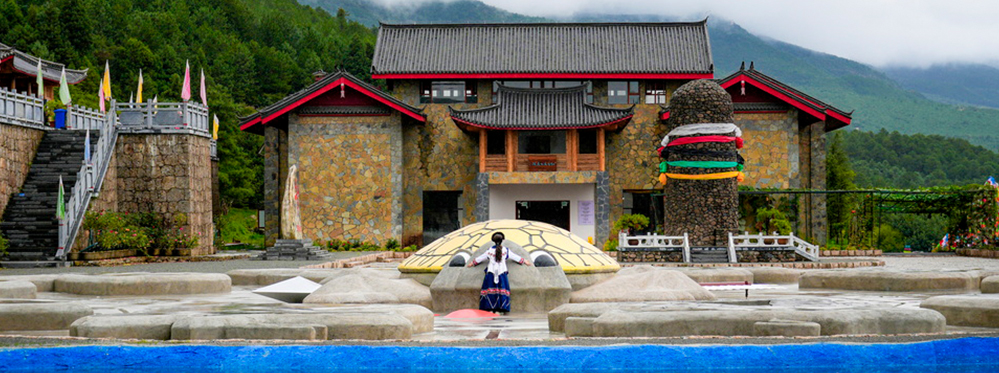
Step into the living heart of Naxi culture, where ancient rituals still hum through stone-paved lanes and mountain mists carry Dongba script on the wind. Beyond the postcard views of Lijiang’s old town, the real story unfolds in villages where water flows as a lifeblood and traditions aren’t performed—they’re simply lived. In places like Jade Water Village, you don’t just observe Naxi heritage; you wade into it, from chanting priests to hand-woven textiles, every encounter an invitation to slow down and listen. This guide hands you the keys to those hidden corners and the experiences that turn a tourist stop into a personal reckoning with one of China’s most enigmatic cultures.
Wander Lijiang's Old Town at Dawn to Hear Naxi Laughter and the Clip-Clop of Horse Carts
Before the first tour groups arrive, Lijiang's old quarter belongs to the Naxi people themselves. Women in indigo aprons sweep their doorstones with quick, practiced strokes, while smoke from coal stoves curls through carved wooden eaves. Down an alley by the Yuhe River, you catch the sound of genuine laughter—not a performance for visitors, but the easy back-and-forth of neighbors swapping stories over steaming bowls of baba bread. The black-tiled roofs still hold the night's chill, and every few minutes, the measured clip-clop of a horse cart echoes off the cobblestones, its driver guiding the animal with a loose rein and a low, familiar whistle.
What most travelers miss when they rush through after sunrise is how the town's rhythm changes. At dawn, the water wheels turn slowly, feeding narrow channels that mirror the pale sky. An elderly man practices taiji on a stone bridge, his movements so unhurried that even the sparrows nearby refuse to fly. The clip-clop grows louder near the market gate, where carts haul fresh vegetables and baskets of river moss to the day's first stalls. You can stand at the corner of Wuyi Street and simply listen—there are no honking scooters, no amplified guides, just the hard, clean sound of hooves on ancient stone and the occasional burst of Naxi dialect from a window above.
The deeper you walk, the more these early hours feel like a private invitation. Laughter drifts from a courtyard where a family threshes grain, and a woman offers you a red date from her cart without saying a word. The horse carts don't follow a fixed route; they emerge from side lanes, disappear around bends, and leave behind a silence that settles like dust. If you pause long enough, you might realize that Lijiang's old town at dawn isn't a sight to photograph so much as a sound to remember—the blend of human warmth and hoofbeats that no guidebook can fully capture.
Trace the Dongba Pictographs on a Handmade Paper Scroll in a Naxi Courtyard
Sunlight slants across worn flagstones as you settle onto a low wooden stool in a Lijiang courtyard. The air smells of damp earth and drying mulberry bark—the same bark pounded into the fibrous scroll now unrolled before you. Around the edges, carved swallows and fish on the eaves seem to watch, as if they too remember when every line drawn here carried a small piece of the world's memory.
A local Dongba priest, or sometimes a patient elder, dips a bamboo brush into ink made from pine soot. He demonstrates one pictograph—a crescent moon cradling a star, or a deer mid-leap. You place your hand over the guide sheet, feel the paper's tooth through the thin copy, and trace. The brush resists if you rush; it rewards a steady wrist. With each stroke, the symbol stops being abstract and becomes a small act of attention.
These are not mere decorations. The Dongba script is one of the last living pictographic systems, and the scroll you are tracing may carry a blessing, a migration story, or a plea for good harvest. In the quiet of the courtyard, with chickens scratching near the threshold and tea cooling by your elbow, the line between writing and drawing dissolves. When you lift the brush, the ink has dried into a shape that will outlast the afternoon—a small proof that you did not just visit a tradition, you held it steady for a moment.
Step into Baisha's Ming Dynasty Murals and Read the Stories Hidden in Faded Pigments
At the foot of the Jade Dragon Snow Mountain, Baisha's old temples hold a quiet kind of magic. You push open a weathered wooden door and step into a space where the Ming Dynasty still breathes. The murals on the walls are not pristine; their mineral pigments have faded into soft earth tones, and cracks run like river deltas across plaster. Yet that very wear is what makes them feel alive. Here, a guardian deity's gilded outline still catches the light, and there, a swirl of indigo robe dissolves into shadow. Time hasn't erased these images so much as given them a second skin.
Look closer and the faded colours begin to speak. Baisha's murals are not one story but a woven argument between cultures. Han Buddhist figures stand beside Tibetan Tantric deities, while Naxi shamans and local flora creep into the margins. You might spot a Taoist immortal sharing a wall with a Bodhisattva, their faces rendered with both subtlety and bold line. The pigments—ground malachite, azurite, cinnabar—once blazed; now their muted hues reveal layers of patronage and belief. Each faded patch marks a moment when a patron's wealth, a painter's hand, or a community's devotion left its trace. The stories aren't hidden despite the fading; they're hidden because of it, waiting for a patient eye.
Wandering from Dabaoji Palace to the smaller side chapels, you can read the murals like a slow manuscript. A phoenix's wing may have lost its crimson, but the curve still suggests flight. A demon's mouth, once bright with red lacquer, now gapes in dusty silence, more haunting for its restraint. The figures' eyes are often the last detail to fade, and they hold yours with an unnerving calm. This is not a museum's perfect reconstruction; it is a living archive of pigment, prayer, and weather. To step into Baisha's Ming Dynasty murals is to accept that some stories only become legible when their colours begin to let go.
Share a Naxi Family Meal of Baba Bread, Chickpea Jelly, and Smoked Pork by the Fire
In a Naxi kitchen, the fire pit is never just a source of heat. It's where the day's stories settle and where a simple meal turns into a family ritual. Baba bread, thick and slightly charred at the edges, gets torn by hand and passed around first. Chickpea jelly, cut into cool, slippery cubes, balances the warmth of the hearth. Then comes the smoked pork, sliced thin so the fat catches the flames' glow, each piece carrying the deep, woody flavor of weeks spent hanging above the fire.
There's no hurry here. The meal stretches as long as the logs crackle, and conversation moves like smoke—slow, circling, unhurried. Elders tell about the old caravan roads while younger hands refill bowls. The contrast of textures matters: the chew of baba, the soft wobble of jelly, the salt-crisp edge of pork. Together they make something that feels less like a menu and more like a place you've known all along.
Follow the Old Town's Water Channels to the Three Wells Where Rituals Still Shape Daily Life
Wander the worn stone paths of the old town and you will notice the gentle murmur of water threading beneath your feet. Narrow channels, some dating back centuries, still carry fresh springwater from the hills into the heart of the settlement. Follow them away from the main square, past shuttered workshops and sun-bleached doorways, and the sound grows clearer, guiding you to a quiet corner where three ancient wells stand in a row, their stone rims polished by countless hands.
Each well has its own temperament and purpose. The first, shaded by a sprawling fig tree, is said to cool the temper and is used for morning ablutions. The second, capped with a worn iron lid, holds water reserved for cooking and the washing of vegetables. The third, set slightly apart and decorated with faded carvings, is the ritual well. Here, on certain days of the lunar calendar, residents gather at dawn to draw water in wooden buckets, reciting phrases passed down through generations—not as performance for visitors, but as a quiet anchor for their own lives.
What makes these wells remarkable is not their age or architecture, but the way ritual still shapes the rhythm of the day. Shopkeepers fill a small flask from the first well before opening their doors. New mothers bring their infants to be blessed with a few droplets from the third. Even in an age of indoor plumbing, the wells remain a social center where news is exchanged, disputes are settled, and the old town remembers who it is. To stand there at dusk, watching the last light gleam on the water, is to glimpse a continuity that modern life rarely permits.
Sleep in a Timber-Framed Naxi House and Wake to the Distant Gleam of Jade Dragon Snow Mountain
The timber frame creaks once, twice, then settles into a hush that only old wood knows. Around you, the Naxi house breathes through hand-hewn beams and a courtyard that holds the cold blue of early night. The smell of pine resin lingers in the walls, mixed with woodsmoke from the kitchen fire and the faint mineral scent of stone floors. Through a paper-covered window, the last light has drained from the sky, and the village below tucks itself into darkness. You sleep under a heavy quilt, aware that the mountain is out there, waiting for dawn.
Morning arrives not with an alarm but with a gradual silvering of the window. When you push the wooden shutter aside, Jade Dragon Snow Mountain is already glowing against a pale sky, its ridgeline sharp as a crack in porcelain. The summit catches the first sunlight while the valley still lies in shadow, so the peak appears to float above the tiled rooftops and waking lanes. A kettle hisses in the courtyard, roosters call from the next house, and the cold air tastes like snowmelt. You stand barefoot on the planks, watching the snowfields turn from rose to white, and for a long moment the mountain feels close enough to touch.
The timber-framed room does not try to impress you. Its beams are stained dark by years of smoke and weather, its floors worn smooth by bare feet. Decorative carvings of birds and clouds frame the door, and a few dried chilies hang from a peg near the fire. Outside, the village stirs slowly: a woman sweeps the stone path, a horse clops past with empty baskets, and the shadow of the mountain withdraws across the fields. Sleeping here means waking into a landscape that has not been rearranged for visitors, where the gleam of Jade Dragon Snow Mountain is simply part of the morning, like the smell of rice cooking over a wood fire.
FAQ
Dongba culture is the spiritual backbone of the Naxi people, and you can dive into it at the Dongba Culture Museum or smaller village shrines. Look for the pictographic script on handmade paper, and if you get a chance, join a local priest who still performs rituals with cypress smoke and chanting—it feels far more alive than any static exhibit.
Skip the big staged shows and ask your guesthouse owner about small courtyard performances in Shuhe or Baisha villages. The musicians are often elderly farmers and craftsmen who play the same scores their grandparents did, using traditional instruments like the sugudu. Arrive early, sit close, and don't be surprised if they invite you for tea afterward.
The murals are inside a few modest temples in Baisha village, about 20 minutes north of Lijiang. The colors have faded but the fusion of Han, Tibetan, and Naxi Buddhist styles is still striking. Go in the morning when light falls through the lattice windows, and read the small plaques carefully—they explain which deity is which, since the iconography isn't always obvious.
Rent a bicycle or take a local minibus up to Yuhu village, where Joseph Rock lived in the 1920s. Walk the stone lanes, watch women weaving in their courtyards, and don't hesitate to accept an invitation to sit by the fire. If you visit during a festival like Sanduo Festival, you'll see the whole community come out with offerings and dancing.
The Mu Mansion in Lijiang Old Town was the seat of the Mu chieftains who ruled for centuries. The layout is a mix of Ming dynasty official architecture and Naxi residential style, and the halls are full of old documents and family portraits. Climb to the top pavilion for a view over the rooftops—it gives you a sense of how the chieftains surveyed their domain and kept a balance between surrounding powers.
Yes, several family workshops around Baisha and Lashi Lake offer half-day lessons in Dongba papermaking or simple leather tooling. You'll get your hands sticky with mulberry bark pulp, and the paper you make will be lumpy and uneven—but that's exactly why it's memorable. Most workshops don't advertise online; ask at your accommodation or just follow the smell of boiled bark.
The mountain is revered as a protector deity, and many Naxi still make pilgrimages to its foothills. Instead of just riding the cable car up, spend time at the lower meadows and watch for small stone cairns left by locals. If you hire a Naxi guide, they can explain why certain springs and pine groves are considered sacred, and you may be asked to add a stone or tie a prayer flag rather than just snapping photos.
Definitely. Try a home-cooked meal at a Naxi family guesthouse, where you can help pound cured ham with wild herbs or shape baba bread in the ashes. Food here is tied to the seasons and to rituals—like the pork given at weddings or the bitter buckwheat cakes during funerals. Ask about the story behind each dish; it usually links back to the mountains, the lake, or a specific festival.
Conclusion
There is a way to meet Naxi culture that has little to do with checklists, and it begins before the tour buses arrive. Slip into Lijiang's Old Town at dawn, when the cobbled lanes still belong to locals and the only traffic is the slow clip-clop of horse carts. Stop long enough and you will hear Naxi laughter spilling from a courtyard kitchen. A short walk away, in a timber-framed home, an elder might guide your hand across handmade paper as you practice a few Dongba pictographs, each stroke older than the town itself. Then head to Baisha, where the Ming Dynasty murals have faded into soft rusts and ochres, but their stories of daily life, faith, and even travelers remain legible if you stand close and let the silence do the explaining.
The deeper experience comes through ordinary rituals. Share a Naxi family meal by the fire, tearing off pieces of baba bread, chasing the bite of chickpea jelly, and letting the smoky fat of cured pork warm you from the inside. Afterward, follow the old town's water channels upstream, beyond the souvenir lanes, until you find the three wells. Here, the first pool is for drinking, the second for washing vegetables, the third for clothes, a living rule that quietly shapes the day. End the night in a timber-framed Naxi house, its wooden bones creaking softly as the temperature drops. In the morning, the first thing you see from the window may be Jade Dragon Snow Mountain, pale and distant, as if guarding a culture that still has to be felt rather than simply seen.
Contact Us
Contact Person: Changhong He
Email: [email protected]
Tel/WhatsApp: 086-0888-5190152
Website: https://vip.e-baixing.com/ysh