

OEM Electric Valve Selection Guide for Reliable Flow Control
2026-11-16
Flow control often fails before the valve itself does. The right electric valve can keep a process stable through pressure swings, temperature shifts, and long cycles — the wrong one turns small inefficiencies into costly shutdowns. This guide cuts through generic specs and focuses on the selection details that actually matter for dependable operation. Whether you are sizing for a new line or replacing a leaking unit, you will find practical comparisons and key parameters to check before you buy. For deeper application support, UPTAI offers electric valve options built around real-world flow demands rather than catalog averages.
First, Lock Down the Flow Coefficient and Turndown Range
Before you spend any time comparing valve brands or actuator styles, get the sizing math out of the way. The flow coefficient, usually written as Cv or Kv, tells you how much fluid can pass through the valve at a given pressure drop. If you skip this step and pick a valve by line size alone, you will either choke the process or end up with a unit that never leaves its seat. Work out the minimum, normal, and maximum flow rates, then calculate the required Cv for each condition. The valve you choose should handle the highest flow without being oversized to the point of losing control.
Turndown range is the ratio between the maximum controllable flow and the minimum controllable flow. A valve with a 50:1 turndown can maintain stable modulation across a much wider operating band than one with a 20:1 turndown. Real processes rarely sit at a single steady flow, so this number matters more than the glossy brochure suggests. When your demand drops to 10 percent of design capacity, a poor turndown range pushes the valve into an unstable zone where it hunts, slams, or fails to respond. Locking down both the required Cv and an honest turndown expectation keeps the selection focused on control performance rather than catalog popularity.
A common trap is treating the maximum Cv as the only number that counts. At low loads, the valve may still be open just a few percent, and that is where trim design, seat geometry, and actuator resolution start to dominate. If the turndown requirement is wide, you might need a characterized trim, a smaller valve with reduced port, or a different control strategy altogether. Nail these two parameters first, and you will filter out most of the wrong options before the first vendor meeting.
Torque Curves Beat Rated Torque Every Time
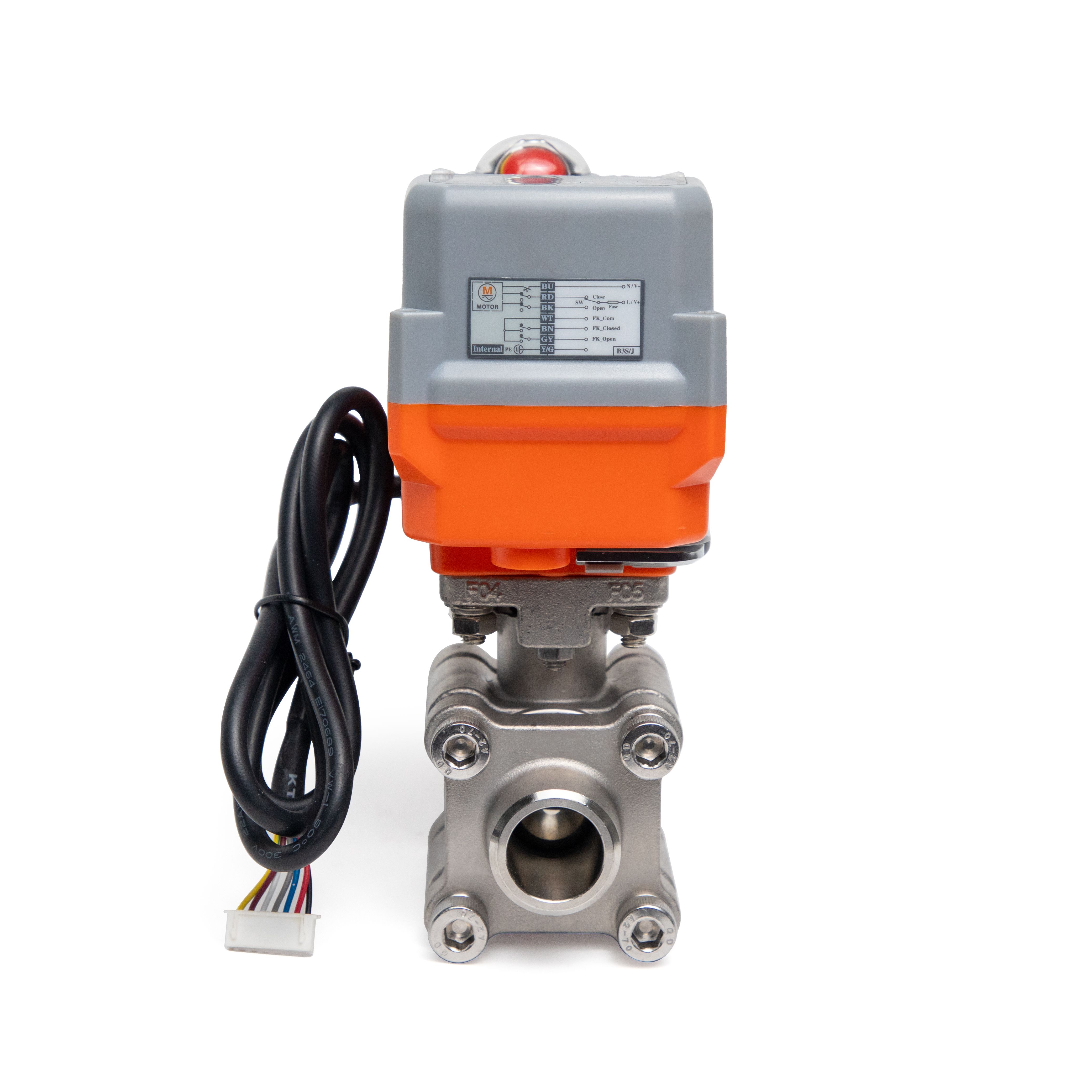
A single rated torque number gets quoted on spec sheets because it is easy to print, but it rarely describes how a motor actually behaves once the shaft starts spinning. Real torque rises and falls across the rev range, and those shifts matter more than any peak or nominal figure.
Two machines can carry the same rated torque on paper and still feel completely different under load. One holds speed without complaint while the other bogs down, and the reason is usually hidden in the curve: where torque arrives, how flat it stays, and how quickly it falls away after the knee point.
Reading the full torque curve makes field performance far more predictable. Once you see how output changes with speed, you stop being surprised by stalling, excess heat, or inconsistent cycle times.
Matching Enclosure Ratings to Real Plant Conditions
Rating charts often tell only half the story. A cabinet that survives a laboratory spray test may not last a season next to a pickling line, where acid mist creeps into conduit fittings and condenses on cooler surfaces. Matching the enclosure to the plant means walking the actual floor: noting whether washdowns hit from above or at an angle, whether dust is fine enough to pack into door seams, and whether temperature swings cause repeated breathing that pulls moisture inside.
Start with the specific contaminants rather than the broad category. A food processing room may require IP69K for high-pressure hot water, yet that same rating is wasted in a cement mill where the real problem is fine silica and constant vibration loosening latches. If the environment shifts between wet and dry, gasket materials and drain holes matter as much as the rating on the nameplate. NEMA 4X may resist corrosion, but it will not help if standing water collects around the door gasket because the drain is blocked.
The most reliable approach is to pair the rating with field experience. Check enclosures already in service for signs of rust, powder ingress, fogged windows, or swollen seals. Then specify from those observations, not from a generic table. In many plants the right choice is not the highest rating available; it is the one that survives the actual splash pattern, cleaning chemicals, dust load, and temperature cycles of that particular corner of the line.
Wetted Materials That Hold Up Beyond the Datasheet
Most datasheets tell you what a material should survive, not what it actually does after six months of hot caustic spray and a few thousand pressure cycles. The gap between laboratory immersion tests and real service shows up in ways that never make the spec sheet: micro-crazing around molded bosses, slight swelling that tightens a valve seat just enough to gall, or a flange face that looks fine on paper but weeps after its third thermal shock. When you pull a pump apart and find the wetted path still dimensionally stable, with no chalky surface bloom and no loss of clamping force, that is when the material earns its keep.
A datasheet might list a chemical compatibility rating of “A – Excellent,” yet real process streams rarely match the pure reagent used in testing. Trace chlorides, abrasive fines, or a stray solvent in a CIP cycle can turn a predicted ten-year life into a two-year rebuild interval. The wetted parts that hold up are usually the ones chosen after someone ran a side-by-side coupon test in the actual fluid, at the actual temperature, under actual aeration. Those results rarely get published, but they are the difference between a pump that survives and one that quietly corrodes behind a gasket where nobody looks until it is too late.
Beyond the chemistry, there is the mechanical side of being wet. A fluoropolymer lining that passes every immersion test still fails when a technician over-torques a flange bolt, or when a steam-out procedure exceeds the material’s continuous-use temperature by forty degrees for ten minutes. Materials that hold up beyond the datasheet tend to be forgiving in ways numbers cannot capture: they creep back after being compressed, they shed mineral scale instead of building it, and they do not turn brittle after repeated wet-dry transitions. Those qualities only show up in a rebuild report, where the old parts still measure within tolerance and the failure was someone else’s problem.
Control Signal Mapping for Your Automation Stack
A useful control signal map starts with the physical layer: terminal numbers, fieldbus addresses, signal type, and whether the device expects 24 V, dry contact, 4–20 mA, or a network command. Nailing those details down before writing logic prevents the usual scramble when a repurposed input behaves differently on site.
Each signal should then tie to a named variable and a single owner routine. When an e-stop drops out, the mapping shows exactly which outputs are killed, which sequences are paused, and which states need manual reset. If that relationship only lives in someone's head, commissioning and later changes become guesswork.
Treat the map as a working document rather than a one-time deliverable. Spare inputs get reallocated, sensors get swapped, and new interlocks appear after safety reviews. Updating the signal map as part of the change order keeps the automation stack coherent and makes downtime easier to diagnose.
Duty Cycles, Thermal Limits, and What Actually Fails
Most failure analysis stops at the datasheet, but real-world breakdowns rarely read the fine print. A converter rated for 100% duty cycle can still cook itself at 80% load if the enclosure traps heat, the fan curve degrades, or the input rail sags under transient demand. The thermal limit is not a single number; it is a moving boundary shaped by ambient drift, airflow stagnation, and the slow creep of dust on heatsink fins.
What actually fails first is often not the switching transistor or the output diode but something quieter: solder joints under cyclical stress, electrolytic capacitors baking near their ripple current ceiling, or a control IC latching into an over-temperature state long before smoke appears. Duty cycle abuse shows up as subtle drift—regulation slipping at the low end, startup hiccups, or nuisance shutdowns that no bench test reproduces because the bench is not the cabinet.
Watching a unit run at 90% duty cycle on a lab supply tells you almost nothing about its survival at 2 a.m. in a sealed enclosure with a failing fan. The useful question is not whether the part can hit a number, but whether the thermal path can shed heat faster than the duty cycle stores it. Failures cluster where that trade stops being linear.
FAQ
A dependable unit is engineered around the actual operating conditions, not just pipe size. The seat material, stem seal, duty cycle, and control signal need to match the media, pressure range, and ambient environment. Off-the-shelf valves often fail because the torque margin or temperature rating was assumed rather than verified.
Start with the valve's required breakaway and seating torque under worst-case differential pressure. Add a safety factor, typically 20-30 percent, then check the actuator's rated torque at the minimum supply voltage. Oversizing adds cost and can damage the valve if the travel stops are not set correctly.
Equal percentage works best when the pressure drop across the valve decreases as flow increases, which is common in many process loops. Linear is better when the valve handles most of the system pressure drop. If the loop data is incomplete, a modified equal percentage trim often gives a smoother response across a wider operating range.
Match the body, trim, and soft goods to the chemical compatibility chart, not just the generic corrosion table. Stainless steel bodies may still fail if the seat and O-ring swell or crack. For acidic or high-purity media, look at PTFE or PEEK internals and confirm the electric actuator's enclosure can handle washdown or vapor exposure.
Most control boards accept 4-20 mA, 0-10 V, or pulse width modulation, but the real issue is whether the actuator fails to a safe position on signal loss. Specify the fail direction and feedback output early. Digital options like Modbus or CANopen reduce wiring, yet analog remains easier to troubleshoot in the field.
Continuous cycling heats the motor and gear train. An actuator rated for intermittent duty may hold torque during a short test but overheat and trip in production. Match the expected starts per hour to the actuator's duty rating, and consider a higher insulation class if the ambient temperature is already elevated.
IP67 handles temporary immersion and dust, but it does not cover high-pressure washdown or prolonged humidity. For those conditions, check for IP69K or a corrosion-resistant coating on the housing. Also pay attention to cable gland sealing; many field failures start at the conduit entry rather than the enclosure itself.
Conclusion
Reliable flow control with an OEM electric valve starts well before the first datasheet is pulled. Locking down the flow coefficient against the actual turndown range matters more than matching a line size, because a valve that looks right at full load often loses authority at the low end where modulation really happens. From there, torque curves deserve more attention than the single rated torque number. Actuator output varies with position and supply voltage, and if the curve dips below demand mid-stroke, you inherit a stalling valve that no amount of tuning will fix. Enclosure selection follows the plant, not the catalog: washdown areas, outdoor temperature swings, and dust exposure push you toward ratings that hold up after installation, not just on paper.
Wetted materials should be judged by the trace chemistry and cleaning cycles the valve will actually see, since a seal that survives a clean-water datasheet can fail quickly with sanitizing agents or minor corrosion byproducts. On the controls side, mapping the command signal and feedback to the automation stack avoids late-stage rewiring and range mismatch; 4-20 mA, 0-10 V, and digital bus choices each carry different grounding and resolution trade-offs. Finally, duty cycle and thermal limits determine what fails in the field. Short-stroke positioning may overheat the motor, while continuous holding at the closed stop can cook the actuator. A reliable selection pairs the flow requirement with the real torque curve, the true environment, the actual fluid, and the expected move frequency rather than a collection of safe-looking specs.
Contact Us
Contact Person: Adonis
Email: [email protected]
Tel/WhatsApp: 8615858822657
Website: https://www.uptaivalve.com