

OEM Plastic Packaging: Custom Solutions for Your Business Needs
2026-07-25
When it comes to packaging that truly reflects your brand, off-the-shelf solutions rarely hit the mark. That’s where OEM plastic packaging steps in—offering the freedom to tailor every detail to your product’s unique requirements. From material selection to custom shapes and branding, the possibilities are practically endless. At Sanrong Packaging, we specialize in turning your concepts into high-quality, functional packaging that stands out on the shelf and protects your goods. Curious how a custom approach can elevate your business? Let’s dive into the key benefits and options available for your next plastic packaging project.
Tailored Plastic Packaging That Fits Your Brand Identity
Your packaging should feel like an extension of your brand, not an afterthought. Our approach lets you dictate every detail—from the curve of a bottle to the texture of a cap—so your plastic packaging becomes a tactile ambassador for your identity. Whether you need bold, minimalist, or playful elements, we bring your vision to life with precision molding and finishing techniques.
Color plays a silent but powerful role in how customers remember you. We offer precise color matching and custom printing that ensures your signature shade stays consistent across every unit. Embossing, debossing, or subtle gradients can transform a simple container into a statement piece that stands out on the shelf without shouting.
Sustainability and aesthetics don’t have to be at odds. We pair recycled materials with sleek design to create packaging that reflects your commitment to the environment while staying true to your brand’s personality. The result is a package that tells your story before anyone even opens it.
From Concept to Creation: End-to-End OEM Packaging Support
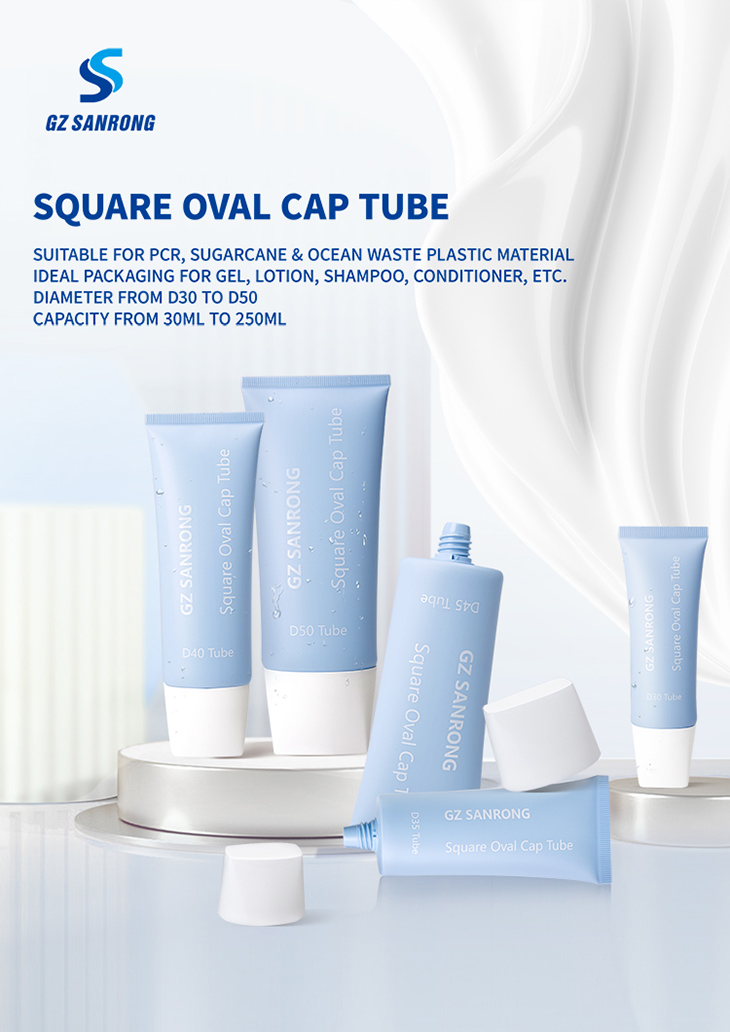
Every great product starts with a spark, and our job is to fan that flame without letting it burn out in the logistics of packaging. We sit down with you early, sketching out ideas on napkins or whiteboards, and then turn those rough outlines into precision-engineered packaging solutions. It's not just about aesthetics—though we obsess over that too—it's about understanding how your product lives in the real world, from warehouse shelves to unboxing moments.
Prototyping is where the rubber meets the road. We don't just run a single sample and call it a day; we iterate until the fit, feel, and function align perfectly with your vision. Our in-house engineers work alongside designers to overcome structural hurdles, material quirks, and cost constraints without diluting the original concept. It’s a dance between creativity and practicality, and we know all the moves.
When the design locks in, our global production network picks up speed. But we stay close, monitoring every run to catch variations before they become problems. From small-batch artisanal runs to high-volume rollouts, we manage timelines, quality checks, and last-mile tweaks so you can focus on what you do best—bringing your product to the people who need it.
Innovative Materials for Demanding Product Requirements
The landscape of modern manufacturing hinges on the ability to meet extreme performance demands, prompting a deliberate shift away from conventional alloys and plastics. New material architectures—ranging from ceramic matrix composites capable of withstanding temperatures beyond 1,200°C without deformation, to self-healing polymers that restore structural integrity after micro-cracking—are quietly redefining what products can endure. These developments are not merely incremental upgrades; they represent a fundamental reconsideration of atomic arrangement and phase distribution, unlocking durability and functionality previously thought impossible.
Designers and engineers are increasingly turning to multi-functional materials that combine properties once considered mutually exclusive. For instance, advanced metal foams now provide both lightweight structural support and exceptional energy absorption, making them ideal for impact-critical applications in transportation and protective gear. Similarly, transparent ceramics offer the clarity of glass with the scratch resistance of sapphire, extending the lifespan of sensor covers and optical lenses in harsh environments. This convergence of attributes requires careful tailoring of microstructure, often involving nano-scale reinforcements or gradient compositions that blur the boundaries between material classes.
The adoption of such innovative materials demands a parallel evolution in processing techniques. Additive manufacturing methods, particularly those employing lasers or electron beams, allow for the precise placement of materials at the voxel level, enabling intricate internal geometries that enhance performance while minimizing weight. Meanwhile, bio-inspired composites draw from the hierarchical structures found in nature—such as the layered architecture of nacre—to achieve toughness that exceeds the sum of their constituents. As regulatory pressures and sustainability goals mount, the focus is also shifting toward materials that are not only high-performing but also recyclable or biodegradable without compromising their critical properties.
Scalable Production Runs Without Compromising Quality
Scaling production often raises concerns about slipping standards, but it doesn't have to be a trade-off. By integrating robust process controls and real-time monitoring, we've built a system where volume increases are matched by consistent, meticulous oversight. Every unit moves through the same calibrated checkpoints, whether you're ordering a hundred pieces or a hundred thousand, so deviations get caught the moment they surface rather than after the fact.
The real secret lies in our modular manufacturing approach. Instead of simply speeding up machines, we break down production into adaptable cells that can be replicated without reinventing the wheel. Each cell maintains its own quality audit rhythm, and as demand grows, we add cells rather than overburden existing lines. This preserves the craftsmanship mindset even at high output, letting skilled operators focus on precision instead of scrambling to keep pace.
Materials and supplier partnerships play an equally critical role. We qualify raw inputs at the source and lock in supplier processes before ramping up, so you're not gambling with variability when orders spike. Combined with post-production statistical sampling that adapts to batch size, the result is a system where quality becomes predictable, not just aspirational, regardless of the scale of the run.
Sustainable Options in Custom Plastic Packaging
Plastics have long been synonymous with environmental concerns, but innovation is rewriting that narrative. Today's custom packaging solutions lean heavily on responsibly sourced materials—think high-percentage post-consumer recycled (PCR) content and lightweighting designs that trim material use without sacrificing protection. By choosing mono-material constructions that simplify recycling streams, brands can cut virgin plastic reliance significantly, all while maintaining the sleek look and durability customers expect.
Design plays a quiet yet powerful role in sustainability. Snap-fit closures and modular inserts eliminate the need for glues, making disassembly for recycling straightforward. Meanwhile, some manufacturers offer closed-loop programs where used packaging gets collected, reground, and reincorporated into new builds, turning a linear waste problem into a circular resource story. For businesses, these shifts often translate to reduced carbon footprints alongside operational efficiencies like smarter storage and shipping.
Beyond the material itself, end-of-life thinking has matured. Options like oxo-biodegradable additives remain controversial due to microplastic concerns, but biobased polymers derived from corn, sugarcane, or even algae are gaining traction for certain use cases. These materials, when paired with industrial composting infrastructure, can return packaging to soil instead of landfills. It’s not a one-size-fits-all answer, but it opens a genuine conversation about how custom packaging can evolve from a throwaway item into a valuable, regenerative piece of a brand's sustainability toolkit.
Industry-Specific Solutions for Unique Packaging Challenges
Every sector presents its own set of hurdles when it comes to packaging—whether it’s preserving fragile electronics from static shock, extending the shelf life of fresh produce, or ensuring that heavy machinery components arrive intact. Off-the-shelf packaging rarely accounts for these intricacies, often leaving gaps in protection and efficiency. That’s why we dive deep into the specific demands of your industry, analyzing everything from transport conditions to end-user handling. By understanding the physical and logistical stresses your products face, we craft packaging that works as a seamless extension of your supply chain, not just a box.
Take the pharmaceutical sector, for instance, where temperature control and tamper evidence are paramount. Standard insulation might fail during extended transit, leading to costly spoilage, while generic seals can leave products vulnerable. We design solutions that integrate phase-change materials and multi-layer barriers precisely calibrated for the required temperature window, combined with custom locking mechanisms that show visible signs of interference. Similarly, for automotive parts, we’ve replaced bulky foams with engineered suspension systems that hold heavy components in place using minimal material, reducing both shipping weight and damage rates. These aren’t one-size-fits-all fixes; they’re purposeful adaptations that address the root of the challenge.
Beyond protection, packaging can also solve operational pain points. In e-commerce, returns often spike due to awkward unboxing experiences or insufficient sizing. We’ve helped clients redesign their packaging to eliminate unnecessary bulk, incorporate easy-open features that don’t compromise security, and use modular inserts that adapt to multiple product sizes—all without increasing costs. The result is a packaging system that feels intuitive to the customer while slashing return rates and warehouse complexity. From food and beverage to high-tech instruments, our approach is the same: uncover the unspoken challenges, collaborate closely with your team, and deliver packaging that functions as a quiet but critical partner in your product’s journey.
FAQ
OEM plastic packaging refers to custom-designed containers, bottles, or wraps manufactured specifically for your brand, rather than using off-the-shelf stock options. You get packaging tailored to your product dimensions, branding requirements, and functional needs, which helps your items stand out on shelves and reinforces your brand identity.
Consider custom packaging if you want to create a memorable unboxing experience, protect uniquely shaped products, or communicate a specific brand story. Generic packaging works for basic shipping or storage, but custom solutions give you a competitive edge by addressing exact requirements—like child-resistant caps, eco-friendly materials, or distinctive designs that catch the eye.
Absolutely. With modern manufacturing techniques, we can color-match the plastic to your brand's exact palette and mold your logo into the packaging—whether as an embossed mark, a debossed detail, or in-mold labeling. This ensures every piece feels cohesive with your overall branding without relying on separate stickers or prints.
Common options include PET for clarity and rigidity, HDPE for durability and moisture resistance, and bioplastics for sustainability. The choice depends on your product's needs—think about barrier properties, whether the item is heavy or fragile, and your environmental goals. We guide you through the trade-offs so you get a material that fits both function and brand values.
We work with businesses at different stages, so minimums vary based on the complexity of the mold and process. For startups, we offer low-volume options with shared tooling or flexible production runs, letting you test the market without a huge upfront commitment. As you scale, we adjust to keep costs efficient.
Typically, after design sign-off, tooling and sampling take 4–8 weeks, followed by production and shipping. Timelines can shift depending on mold complexity and order size. We keep you updated at each stage and can sometimes expedite for tight launch dates—just let us know your deadlines early on.
Conclusion
From initial concept to final delivery, OEM plastic packaging offers businesses a seamless way to align product presentation with brand identity. Every detail—shape, color, texture, and closure—can be tailored to reflect a unique market position, ensuring that packaging doesn't just contain a product but communicates its value. By working directly with manufacturing experts, companies gain access to advanced material science and design engineering, turning complex requirements into functional, eye-catching solutions. Whether it's a sleek tray for consumer electronics or a durable container for industrial components, the development process prioritizes both aesthetics and performance. This end-to-end approach, from prototyping to mass production, eliminates the friction of coordinating multiple vendors and allows for rapid iteration, so packaging evolves in step with the brand.
Scaling from small batches to high-volume runs becomes straightforward without sacrificing consistency, thanks to precision tooling and rigorous quality controls embedded in the OEM model. Manufacturers can adapt production to fluctuating demand, using innovative materials that meet stringent safety and durability standards while also exploring sustainable alternatives like post-consumer recycled plastics or bio-based resins. Industry-specific knowledge further refines the outcome—packaging for food, medical devices, or luxury cosmetics each demands distinct barrier properties, sterility, or tactile finishes. With dedicated support, businesses navigate regulatory landscapes and logistics hurdles, resulting in custom plastic packaging that solves tangible challenges rather than forcing generic compromises. Ultimately, this partnership transforms packaging from a cost center into a strategic asset, reinforcing brand reputation and enhancing the end-user experience at every touchpoint.
Contact Us
Contact Person: Alex Wu
Email: [email protected]
Tel/WhatsApp: 86-20-37965868
Website: https://www.gzsanrong.com/en.html