

Pipeline Electric Heater Import: Your Ultimate Guide to Global Sourcing
2026-07-01
When sourcing pipeline electric heaters from overseas, the line between a seamless operation and a costly mistake often comes down to who you’re dealing with. In industries where temperature control is non-negotiable—from petrochemical refining to gas processing—these systems have to perform flawlessly across borders, standards, and supply chains. This guide strips away the guesswork, showing you exactly how to evaluate suppliers, navigate compliance, and secure reliable equipment without losing sleep. Whether you’re upgrading a plant or entering new markets, you’ll discover why partners like Shenzhou Chemical Industry are changing the way companies import with confidence. Let’s dive into what makes a sourcing strategy truly world-class.
Why Pipeline Electric Heaters Are the Backbone of Modern Industry
In the intricate web of industrial operations, maintaining precise fluid temperatures isn't just a convenience—it's a non-negotiable requirement. Pipeline electric heaters have quietly become the unsung heroes in this arena, offering unmatched reliability where other heating methods stumble. Unlike steam or gas systems, these heaters respond almost instantly to demand changes and can be dialed in with remarkable accuracy, preventing the thermal degradation that can ruin sensitive products. From ensuring crude oil flows through sub-zero pipelines to keeping food-grade syrups at the perfect viscosity, their role is foundational.
What sets them apart is their ability to integrate directly into existing infrastructure without the need for boilers, fuel lines, or excessive real estate. A compact electric heater clamped onto a pipe eliminates the complexity and lag of centralized heating, slashing energy waste and maintenance headaches. This modularity means industries can scale heating capacity point by point rather than overhauling entire systems. In sectors like pharmaceuticals and specialty chemicals, where contamination risks must be zero, the closed-loop electric design also removes the danger of cross-contamination from combustion byproducts.
Beyond the operational perks, the shift toward electrification is being driven by tightening emission regulations and a push for cleaner footprints. Pipeline electric heaters produce zero onsite emissions, making them a strategic asset for companies navigating carbon taxes and sustainability targets. Their longevity and low lifecycle cost further cement their status—when properly specified, these units can operate for decades with minimal intervention. As automation deepens, the seamless compatibility of electric heat with smart controls will only expand its dominance, reinforcing its role as the backbone of modern processing lines.
Selecting the Right Heater: Key Parameters That Drive Performance and Lifespan
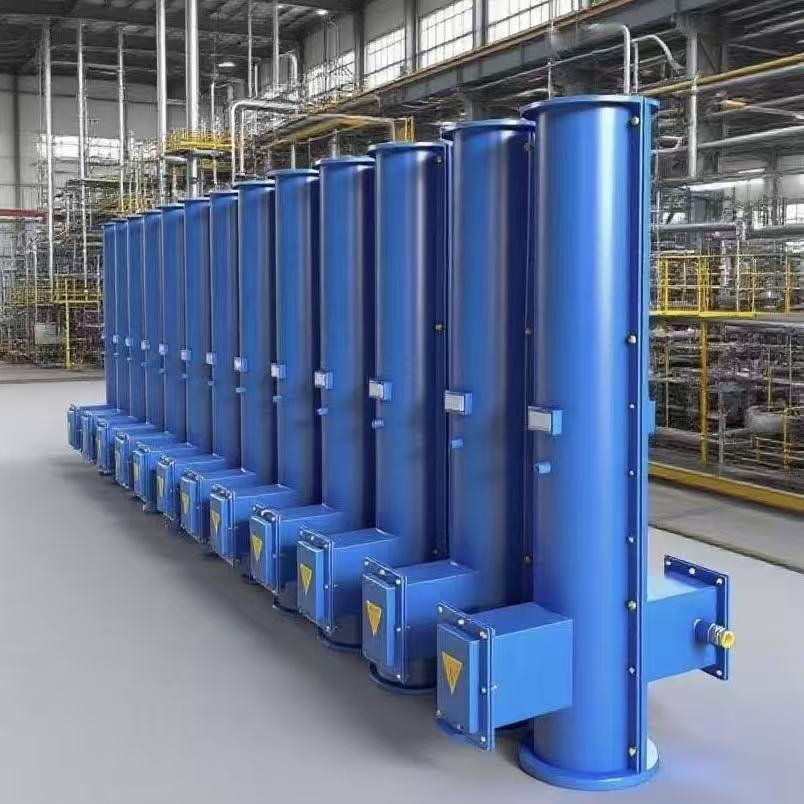
Getting the most out of an industrial heater isn’t just about matching the wattage to your application. The real art lies in understanding how factors like watt density, sheath material, and temperature control work together. An overheated element will fail prematurely, while an undersized one struggles to maintain setpoints. The sweet spot is where thermal demands meet the physical limits of the heater’s construction—and that’s where both performance and longevity truly shine.
Watt density often tops the list of overlooked specs. It dictates how much power is concentrated per square inch of the element surface. Pump too much energy into a small area, and you risk coking, scaling, or outright burnout—especially with viscous fluids or poor circulation. Matching the sheath alloy to the environment is equally critical. Incoloy handles corrosive chemicals well, while 304 stainless steel might be fine for clean water. And don’t skimp on the control side: a simple on-off thermostat can cause punishing thermal cycling that fatigues the resistive wire over time. A proportional controller with a thermocouple placed right at the hottest point can dramatically extend service intervals.
Then there are the less glamorous but vital details—like terminal housing ratings, moisture seals, and mounting orientation. A heater built for still air won’t survive submerged without the proper sheath passivation and leak protection. Vibration, thermal expansion, and even the purity of your power supply play roles you might not notice until something fails. It pays to look beyond the cut sheet and involve the manufacturer early, sharing not just the temperature you need but the entire cycle profile: ramp rates, idle periods, and ambient extremes. That holistic view is what turns a commodity heater into a reliable workhorse.
Global Sourcing Hotspots: Comparing Quality Standards and Pricing Across Regions
When looking at global sourcing, the landscape shifts dramatically from region to region, often in ways that catch newcomers off guard. China remains a dominant force thanks to its sheer manufacturing speed and cost efficiency, but the assumption that low price equals low quality is no longer a given. Many factories along the east coast now rival Western standards, particularly in electronics and precision machinery, yet pricing can still be 20–40% lower than what you'd pay in Europe. The challenge is that oversight is essential; without a trusted local partner or rigorous on-site audits, variations in material consistency and finishing can creep in.
Southeast Asia has emerged as an increasingly attractive middle ground. Vietnam offers competitive labor costs and a thriving textile and furniture sector, often with quality benchmarks that meet strict EU import regulations—an advantage rooted in the country’s history of European trade ties. Thailand and Malaysia price themselves slightly higher but bring deeper specialization, with Thailand’s automotive parts and Malaysia’s medical rubber products standing out as resilient supply chains where repeat orders confirm reliability. The catch here is scale: factories tend to be smaller, so lead times can stretch if you don’t plan capacity well in advance.
Eastern Europe, meanwhile, caters to buyers who prioritize proximity and compliance over rock-bottom unit costs. Poland and the Czech Republic excel in heavy machinery and glassware, delivering products that consistently hit ISO and CE marks without the logistical headache of intercontinental shipping. Costs sit 10–15% above Asian benchmarks, but the lower defect rates and simpler IP protection often balance the equation. The decision boils down to what your specific market values most: upfront price, turnaround agility, or the near certainty of passing inspection first time, every time.
How to Spot a Trustworthy Supplier Before Signing a Contract
Genuine suppliers rarely hide behind perfect websites and generic sales pitches. Instead of skimming the surface, ask for a recent batch sample delivered to a neutral address—not their own facility. A trustworthy partner will agree without hesitation, and the packaging, lead time, and actual product quality during this trial run often reveal far more than any certificate. Pay attention to the small details: how they handle unexpected delays, whether they proactively offer alternatives, or if they try to upsell you before delivering on initial promises.
Another overlooked indicator is their willingness to share past mistakes. Ask about a recent order that went wrong and how they resolved it. Evasive answers or shifting blame are red flags; honest reflection points to a supplier who values long-term relationships. Also, watch for consistency in communication—not just speed, but substance. If every email reads like a templated response or avoids specifics, dig deeper. The strongest partnerships often form after you’ve seen how the supplier navigates friction, not just when everything goes smoothly.
Finally, verify their supply chain footprint by requesting a live video walk-through of the production line, not a pre-recorded tour. This small hurdle filters out many pretenders and lets you observe real-time working conditions, stock levels, and employee engagement—signs that a supplier actually controls the manufacturing process rather than brokering it. Combined with a sample order paid through an escrow service, these steps shift the balance from blind trust to informed confidence before any contract is signed.
Customs, Tariffs, and Paperwork: Dodging the Common Pitfalls
Navigating customs can feel like walking through a maze blindfolded, especially when one small mistake on paperwork leads to delays that cascade through your supply chain. Too many businesses learn the hard way that tariff codes aren't just numbers—they're a language, and misclassification invites audits, fines, or worse. The real trick isn't memorizing every rule; it's building a system that double-checks classifications before filing, keeping an eye on the ever-shifting trade agreements that might offer cost breaks, and never assuming that what worked last year still applies today.
Another silent killer in global shipping is the mountain of forms that must be flawless, yet often aren't. A single missing signature or incoherent commercial invoice can hold up a container for weeks, racking up storage fees that eat into your margins faster than you'd believe. The best defense is pairing a meticulous internal checklist with a logistics partner who treats your cargo like their own, challenging customs officers when duties seem off-base and knowing when to lean on an experienced broker instead of cutting corners with low-cost, low-accountability services.
After the Purchase: Installation Tips and Upkeep for Long-Term Reliability
Getting your new equipment set up properly is half the battle. Start by clearing the designated spot of any clutter and double-checking that you have the right tools on hand—nothing stalls a smooth install like hunting for a missing wrench. Read through the manual once before touching a single bolt; it’s not the most thrilling read, but those diagrams often reveal quirks you wouldn’t guess otherwise. If you’re dealing with electrical components, cut the power at the breaker rather than trusting a switch. A few extra minutes here can save you from a shocking surprise down the line.
Once everything is in place, the real secret to longevity is treating maintenance as a routine ritual, not an afterthought. Wipe down surfaces after heavy use, and don’t let dust or grime build up in vents or moving parts—clogs are silent killers of performance. Lubricate joints and bearings on a schedule that matches your usage, not just when they start squealing. For anything with filters, set a recurring calendar reminder to inspect and swap them; it’s too easy to forget until airflow drops or the motor strains. Keep a small logbook or a note on your phone with dates of upkeep—it may sound excessive, but when a problem arises, that history narrows down the culprit fast.
Finally, listen to the machine. Unusual noises or slight wobbles are early warnings that most people ignore until a breakdown forces the issue. Tighten bolts before they get loose enough to cause damage, and keep an eye on belts or seals for hairline cracks. If you know a repair is beyond your comfort zone, locate a trusted technician ahead of time rather than scrambling later. The goal isn’t perfection—it’s treating your gear like an ally that needs a little attention to keep pulling its weight for years.
FAQ
Material compatibility, voltage requirements, and certification standards like CE or UL are crucial. Always verify that the heater's sheath material can withstand the process fluid to avoid corrosion, and check if the supplier offers custom voltage options to match your local grid.
Look for manufacturers with a proven track record in industrial heating. Request case studies or client references from similar industries, and check if they have ISO 9001 certification. Third-party audit reports and on-site factory inspections can also reveal their production capabilities and quality control.
Overlooking total landed cost is a big one—duties, shipping, and customs fees can add 20-30%. Also, ignoring local electrical codes can lead to non-compliant equipment. Always get detailed specifications in writing and clarify warranty terms before placing an order.
Flanged immersion heaters and circulation heaters are top imports due to their versatility. Flanged heaters are popular for large tank and pipe applications, while circulation heaters are used for precise fluid heating. Screw-plug heaters come next for smaller low-flow processes.
Most are shipped via sea freight in wooden crates. You’ll need to coordinate with a freight forwarder for Incoterms like FOB or CIF. Ensure the packaging can withstand long transit and consider insurance for damage. Lead times can range from 4-12 weeks depending on customization.
ATEX or IECEx for hazardous areas, CE marking for Europe, and UL or CSA for North America. Some countries also require local certifications like EAC for Russia. Confirming these early prevents customs delays and ensures safety compliance.
Yes, many manufacturers offer custom watt densities, flange sizes, and sheath materials. Provide detailed process conditions—fluid type, flow rate, temperature—so they can calculate the right heating power. Customization may extend lead times but ensures the heater fits your system exactly.
Importing often gives access to specialized technology and lower costs, especially for high-capacity or exotic-material heaters. However, local support and faster delivery might outweigh the price difference for standard models. Evaluate total cost, lead time, and after-sales service before deciding.
Conclusion
Importing pipeline electric heaters isn’t just about placing an order—it’s about understanding why these devices are critical for process heating in oil and gas, chemical, and power generation sectors. Their role as the backbone of modern industry comes from their ability to deliver precise temperature control in harsh environments, minimizing downtime. But picking the right unit goes far beyond wattage and voltage; you need to weigh sheath material, flange ratings, and control integration to ensure performance and lifespan match your exact application. Don’t overlook the global sourcing landscape either: while German and American manufacturers often set the benchmark for quality and certifications, competitive pricing from Asian suppliers can be tempting—provided you dig into their compliance track record and real-world service history.
Before signing anything, you’ll want to vet potential suppliers thoroughly—site visits, third-party audits, and referencing past buyers are non-negotiable. Tariffs and customs paperwork can turn a smooth import into a costly mess if you aren’t familiar with HTS codes and local regulations; a freight forwarder experienced in industrial equipment can save you headaches. Once the heater arrives, installation isn’t plug-and-play: proper spacing, insulation, and grounding prevent premature failure, while a maintenance schedule that includes regular megohmmeter checks and terminal cleaning keeps the system reliable for years. Ultimately, treating the import process as a lifecycle investment—from informed selection to long-term upkeep—is what separates a successful deal from an expensive lesson.
Contact Us
Contact Person: Mr. Wang
Email: [email protected]
Tel/WhatsApp: 8613705299955
Website: https://vip.e-baixing.com/szhgyw