

Porcelain Surge Arrester Manufacturing: Enhancing Electrical Safety and Reliability
2026-01-07
In the dynamic world of electrical engineering, ensuring safety and reliability is paramount, yet often overlooked until a failure occurs. At Lugao, we're at the forefront of innovation with our porcelain surge arrester manufacturing, a critical component that silently shields power systems from devastating surges. Dive into this blog to discover how our advanced technology not only enhances electrical protection but also sets new benchmarks for durability and performance. Whether you're an industry expert or simply curious about modern safety solutions, you'll find insights that spark curiosity and highlight why Lugao is a trusted name in power reliability.
Innovations in Porcelain Surge Arrester Design for Modern Power Grids
Porcelain surge arresters, long a staple in power grid protection, have undergone significant design innovations to meet the demands of modern, high-stress electrical networks. Traditional models often struggled with thermal and mechanical stresses in harsh environments, but advances in material science have introduced new porcelain compositions with enhanced thermal stability and fracture resistance. These improvements allow arresters to perform reliably under extreme conditions, such as frequent lightning strikes or high-voltage fluctuations, while maintaining their non-conductive properties. Additionally, modular designs now enable easier installation and maintenance, reducing downtime and operational costs for utility companies.
Another key innovation lies in the integration of smart monitoring technologies into porcelain surge arresters. Modern designs incorporate sensors that track parameters like temperature, leakage current, and voltage levels in real-time, providing early warnings of potential failures. This data-driven approach helps grid operators implement predictive maintenance strategies, minimizing the risk of catastrophic outages. By leveraging wireless communication systems, these smart arresters can seamlessly feed information into centralized control systems, enhancing overall grid resilience and safety without compromising the classic durability of porcelain insulation.
Furthermore, environmental and aesthetic considerations have spurred innovations in porcelain surge arrester design. Modern variants feature more compact and streamlined shapes that blend better with urban landscapes, addressing concerns about visual impact. Enhanced coatings and surface treatments also improve resistance to pollution and moisture, reducing maintenance needs in coastal or industrial areas. These advancements ensure that porcelain surge arresters not only protect power grids efficiently but also do so in a way that aligns with contemporary sustainability goals, making them a versatile choice for diverse grid applications worldwide.
Key Manufacturing Techniques for Superior Electrical Performance
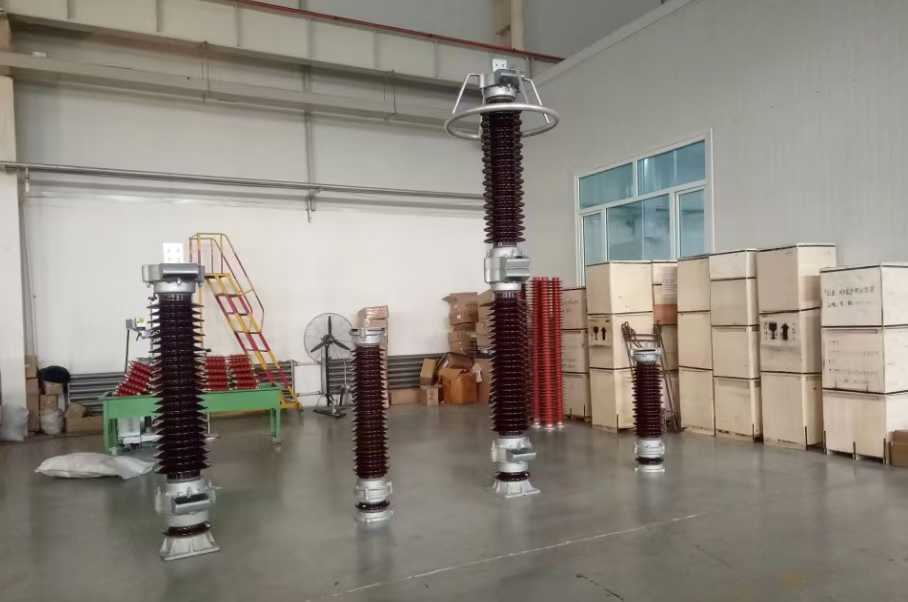
Achieving superior electrical performance hinges on meticulous manufacturing processes that optimize material properties and component designs. For instance, advanced techniques like thin-film deposition and precision lithography enable the creation of ultra-thin, uniform conductive layers, which significantly reduce resistance and enhance signal integrity in high-frequency applications. By controlling parameters such as temperature and pressure during fabrication, manufacturers can minimize defects that degrade electrical efficiency, ensuring consistent performance across batches.
Another critical area is the integration of specialized materials, such as high-k dielectrics or low-loss substrates, which are tailored to specific electrical requirements. Techniques like atomic layer deposition (ALD) allow for precise thickness control, crucial for achieving desired capacitance and insulation in microelectronics. These methods, combined with rigorous testing protocols, help mitigate issues like leakage currents and cross-talk, leading to more reliable and energy-efficient devices.
In addition, innovative assembly approaches, such as flip-chip bonding or solder reflow optimization, play a vital role in enhancing electrical connections and reducing parasitic effects. By fine-tuning these processes, manufacturers can improve thermal management and signal propagation, resulting in products that deliver exceptional performance under demanding conditions, from consumer electronics to industrial systems.
Ensuring Durability and Safety in Extreme Environmental Conditions
When designing products or systems meant to withstand harsh environments, durability and safety become paramount. Engineers and manufacturers focus on rigorous testing protocols that simulate real-world extremes, from scorching deserts to freezing tundras, ensuring materials and components won't fail under stress. This not only extends the lifespan of the equipment but also prevents potential hazards, making it reliable for critical applications in industries like aerospace, automotive, and renewable energy.
Innovations in material science play a key role here, with advanced composites and coatings developed to resist corrosion, UV radiation, and moisture ingress. By integrating smart monitoring systems, real-time data on environmental impacts can be collected, allowing for proactive maintenance and immediate responses to unsafe conditions. This approach goes beyond mere compliance with standards, fostering a culture of resilience that adapts to increasingly unpredictable climate patterns and operational demands.
Ultimately, ensuring durability and safety in extreme conditions requires a holistic strategy that combines robust design, continuous innovation, and user-centric practices. It's about creating solutions that not only survive but thrive in adversity, protecting both assets and human lives while minimizing downtime and environmental footprint in challenging settings.
Real-World Applications and Case Studies in Electrical Protection
Electrical protection systems play a pivotal role in modern industrial and residential settings, ensuring safety and operational continuity. For instance, in manufacturing plants, protective devices like circuit breakers and relays prevent equipment damage during power surges or short circuits, thus minimizing downtime and financial losses. These systems are indispensable for safeguarding sensitive machinery and preventing fire hazards, as seen in facilities ranging from chemical plants to data centers, where even minor electrical faults can lead to catastrophic outcomes.
A compelling case study involves a renewable energy farm, where advanced protection mechanisms were implemented to manage grid integration. By utilizing real-time monitoring and automated trip settings, the system effectively mitigated voltage fluctuations and prevented cascading failures during adverse weather conditions. This not only enhanced the reliability of power supply but also demonstrated how tailored protection strategies can adapt to the dynamic demands of green energy infrastructure, showcasing the practical benefits beyond theoretical frameworks.
Moreover, in residential applications, the adoption of GFCI outlets and AFCI breakers highlights the tangible impact of electrical protection on everyday life. These devices have significantly reduced incidents of electrocution and electrical fires in homes, as evidenced by statistical improvements in safety records across various regions. Such examples underscore how continuous innovation and rigorous field testing translate into real-world solutions that protect both property and human lives, making protection systems a cornerstone of modern electrical engineering.
Future Trends and Technological Advancements in Surge Arresters
Surge arresters are evolving rapidly, with a clear shift toward smarter, more durable designs. Innovations in materials like metal oxide varistors (MOVs) are enhancing energy absorption capabilities, allowing arresters to handle higher transient voltages without compromising longevity. Emerging trends include the integration of IoT sensors for real-time monitoring, enabling predictive maintenance to prevent failures before they occur. This move toward digitalization not only boosts reliability but also reduces downtime in critical infrastructure such as power grids and renewable energy systems.
Another key advancement lies in the development of compact, lightweight arresters that maintain high performance. Manufacturers are exploring polymer-based designs and advanced cooling techniques to improve thermal management, which is crucial in high-stress environments. These changes address the growing demand for space-saving solutions in urban and industrial settings, where equipment density is increasing. By focusing on efficiency and adaptability, new surge protectors are becoming more versatile across diverse applications, from telecommunications to electric vehicle charging stations.
Looking ahead, sustainability is driving research into eco-friendly materials and energy-efficient production methods. Future arresters may incorporate recycled components or biodegradable insulators, aligning with global environmental standards. Additionally, advancements in machine learning could lead to self-optimizing systems that adjust protection levels based on real-time data, offering a more customized defense against surges. This blend of technology and environmental consciousness points to a future where surge arresters not only safeguard equipment but also contribute to greener, smarter energy networks.
Compliance and Standards for Global Electrical Safety Assurance
Navigating the complex landscape of electrical safety requires a deep understanding of the diverse standards and compliance frameworks that govern products worldwide. From the stringent IEC 60601 series for medical devices to UL 60335 for household appliances, each regulation is designed to mitigate risks like electric shock, fire, and electromagnetic interference. Manufacturers must adapt their designs and testing protocols to align with regional mandates, such as CE marking in Europe or CCC certification in China, ensuring that safety is not just a local concern but a global imperative.
What sets leading companies apart is their proactive approach to compliance, integrating safety considerations right from the product development phase rather than treating it as a last-minute hurdle. By leveraging advanced simulation tools and predictive analytics, they can anticipate potential hazards and refine designs before physical prototypes are built. This forward-thinking strategy not only reduces costly recalls but also builds consumer trust, as products consistently meet or exceed the rigorous benchmarks set by organizations like ISO and IEEE.
In an era of rapid technological innovation, such as the rise of IoT and smart grids, electrical safety standards are continuously evolving to address new challenges. Collaborative efforts among industry stakeholders, regulators, and testing labs help harmonize these updates, fostering a safer ecosystem where cutting-edge technologies can thrive without compromising user well-being. Ultimately, robust global electrical safety assurance is about creating a foundation of reliability that supports sustainable growth and innovation across markets.
FAQ
A porcelain surge arrester protects electrical systems by diverting high-voltage surges, like lightning strikes, safely to the ground, preventing damage to equipment.
Porcelain is selected for its durability, high mechanical strength, and excellent insulation properties, which help it withstand harsh environmental conditions and electrical stress.
Advanced manufacturing techniques, such as precise molding and rigorous testing, improve the arrester's performance and longevity, ensuring consistent protection against surges.
Modern designs include features like silicone coatings for better weather resistance and internal discharge gaps to manage energy absorption efficiently, enhancing overall safety.
By preventing costly equipment damage and reducing downtime, porcelain surge arresters offer long-term savings and improve the economic efficiency of electrical networks.
Challenges include contamination buildup and thermal stress; regular inspections, cleaning, and adherence to maintenance schedules help mitigate these issues for optimal performance.
Conclusion
Porcelain surge arresters represent a critical component in modern electrical infrastructure, combining innovative design with robust manufacturing techniques to enhance safety and reliability across power grids. Recent advances in porcelain arrester design address the evolving demands of contemporary electrical networks, enabling superior performance through optimized materials and structural improvements. By focusing on key manufacturing methods, manufacturers ensure that these devices deliver consistent electrical protection, minimizing the risk of surges and faults. This heightened attention to production quality not only boosts performance but also supports compliance with international safety standards, providing global assurance of electrical system integrity.
The durability and safety of porcelain surge arresters are rigorously tested under extreme environmental conditions, ensuring long-term operation in diverse settings from industrial facilities to remote installations. Real-world applications and case studies highlight their effectiveness in protecting equipment and preventing outages, demonstrating practical benefits in electrical protection systems. Looking ahead, future trends and technological advancements promise further enhancements, such as smart monitoring capabilities and eco-friendly materials, driving the evolution of surge arresters. Ultimately, the integration of these aspects—from design innovation to compliance—creates a holistic approach that strengthens electrical safety and reliability worldwide.
Contact Us
Contact Person: Doreen
Email: [email protected]
Tel/WhatsApp: 8618057712366
Website: https://www.liugaopower.com/