

Red Light Therapy: What Is the New Type and How Does It Work?
2026-06-09
Red light therapy has been a wellness buzzword for years, but a wave of advanced devices is reshaping how we think about light-based healing. If you’ve ever wondered whether the science actually stacks up—or what makes the latest generation different from the dimly lit panels of a decade ago—you’re in the right place. We’ll unpack exactly how a new type of red light therapy works, why wavelengths and power density matter more than you’d guess, and how brands like GUANG TAI are pushing the boundaries of practical, at-home innovation. No fluff, just the fresh findings and genuine nuances that most overviews skip.
A Fresh Take on Light-Based Healing
Light-based healing is shedding its alternative-therapy label and stepping into a sharper, more evidence-driven spotlight. What was once confined to sun-gazing rituals and vague vibrational concepts is now being reexamined through the lens of optogenetics and mitochondrial biology. This isn't about magic — it's about photons triggering measurable shifts in cellular repair, inflammation control, and even cognitive rhythm resetting.
The real surprise lies in how researchers are personalizing light delivery. Instead of one-size-fits-all lamps, devices now pair with biofeedback loops that track skin conductivity, heart rate variability, or blood oxygen levels. The result is a dynamic treatment that adjusts wavelength and pulsing to match your body's real-time state. One morning you might get a cool-blue cognitive boost, while that same device shifts to deep red for post-workout recovery by evening — no manual dials needed.
What makes this fresh approach click is its refusal to romanticize the technology. It's stripped down, data-informed, and surprisingly practical. Early adopters aren't treating it as a spiritual cleanse but as a tool as routine as a foam roller or a meditation timer. By anchoring light therapy in real-time physiology rather than ancient lore, it finally earns a place in modern wellness — not as a wonder cure, but as a subtle, science-backed tune-up for the body's own repair systems.
The Inner Workings of Cellular Rejuvenation
At the core of cellular rejuvenation lies a finely tuned balance between degradation and renewal. Aging cells accumulate damaged proteins, misfolded structures, and worn-out organelles, which can disrupt function. To counter this, cells rely on autophagy — a self-cleaning process that engulfs and recycles these components. Lysosomes, the cell’s digestive compartments, break down the debris into raw materials like amino acids and fatty acids, which are then reused to build fresh cellular parts. This cycle not only clears toxic clutter but also restores metabolic efficiency, essentially allowing the cell to reset itself over time.
Beyond clearing damage, rejuvenation taps into the cell's own repair mechanisms. DNA lesions caused by oxidative stress or replication errors are mended by specialized enzymes that scan the genome for breaks and mispairings. Meanwhile, the endoplasmic reticulum and mitochondria — the cell’s protein factories and power plants — undergo constant remodeling through fission, fusion, and selective piecemeal disposal. This dynamic reshaping ensures that only healthy, functional components remain. Even the nuclear envelope gets a makeover during cell division, temporarily dissolving and then reforming around freshly duplicated DNA, stripping away age-related molecular clutter in the process.
Surprisingly, some of the most powerful triggers for rejuvenation come from periods of low energy or stress. Mild nutrient deprivation, as seen in intermittent fasting, kicks off a signaling cascade that halts unnecessary growth and flips on survival pathways. Key sensors like AMPK fire up autophagy and mitochondrial biogenesis, while sirtuins and mTOR become finely tuned to repair rather than expand. This shift is not about regression — it is a strategic reprogramming, prompting the cell to shed accumulated baggage and return to a more youthful baseline. By harnessing these innate circuits, science is exploring ways to tap into regeneration on demand, turning back the cellular clock without resorting to outside interventions.
Beyond Traditional Phototherapy: What’s New
Light therapy has come a long way from the broad-spectrum UV lamps that once dominated dermatology clinics. Today, the shift is toward precisely tuned wavelengths that target specific chromophores in the skin, minimizing collateral damage while boosting efficacy. Instead of hitting the whole area with a blanket of radiation, devices now use narrowband spectra—often in the blue or red ranges—to selectively trigger cellular reactions. This isn't just about putting a new bulb in an old casing; it involves a deeper understanding of how light penetrates and interacts with different tissue layers.
One of the quieter revolutions is happening at the intersection of phototherapy and immunology. Rather than simply suppressing inflammation, the latest approaches aim to train the immune system. For instance, certain protocols use low-dose light to recalibrate local immune responses, nudging the skin away from chronic inflammatory loops without systemic side effects. It's a subtle nudge rather than a sledgehammer, and early clinical work suggests it could reshape treatment for conditions like psoriasis and eczema, shifting the goal from cyclical suppression to sustained remission.
Meanwhile, the form factor is changing. Wearable light devices and at-home systems are maturing beyond gimmicky masks. Flexible organic light-emitting diodes (OLEDs) can now be integrated into patches that contour to the body, delivering consistent doses over hours. Combined with app-based dosimetry and real-time adherence tracking, these tools are quietly moving phototherapy from a clinic-bound chore to a background therapy that fits into daily routines. The tech isn't flashy, but it's chipping away at two of the biggest barriers: compliance and access.
The Glow Factor: How Wavelengths Make a Difference
When you see something glowing under a black light, it’s not just magic—it’s all about the wavelength of the light hitting it. Our eyes can only catch a slice of the electromagnetic spectrum, but when ultraviolet waves strike certain substances, they kick electrons into a higher energy state. As these electrons fall back down, they emit light we can see. It’s this shift from invisible to visible light that creates that vivid, otherworldly glow.
Not all glow is created equal, though. The specific wavelength of the UV source matters a lot. Short-wave ultraviolet, around 254 nanometers, is a powerhouse for creating intense fluorescence in minerals and chemical compounds, but it’s also harsher and requires careful handling. Long-wave UV, closer to 365 nm, is what we usually encounter in parties or forensics—gentler on skin but still capable of making hidden patterns pop. The choice between them changes what you see, sometimes dramatically.
The same principle applies in nature and design. Coral reefs put on a psychedelic show under the right blue light because their proteins absorb and re-emit specific wavelengths. In everyday products, from laundry brighteners to anti-counterfeiting tags, fine-tuning the wavelength ensures that the glow is not only visible but also reliable. Understanding this interplay isn’t just for scientists; it’s a backstage pass to a hidden visual world that’s always around us, waiting for the right light to flip the switch.
Real-World Benefits Without the Hype
Strip away the overblown claims, and what remains is the quiet shift in how you work. Automation doesn’t replace people—it takes over the repetitive tasks so your team can focus on creative decisions and strategic thinking. The gains are often subtle: shorter wait times, smoother handoffs, fewer errors. These improvements won’t make headlines, but they show up in the flow of your day, making work feel a little less like work.
When technology does its job well, it becomes invisible. You don’t notice good air until it’s missing, and you don’t think about a tool that just works. That’s the goal: understated efficiency that doesn’t demand attention but quietly multiplies your efforts. No miracles, just steady, measurable progress that builds over time.
Free from buzzwords, it’s easier to spot what genuinely helps. Maybe it’s faster cross-team collaboration, clearer data at a glance, or fewer late nights. Peel back the glossy packaging, and you’ll find the moments that matter: the small “yes, this actually works” realizations that add up to a better way of operating.
Making Sense of Safety and Daily Use
Safety often gets tangled up with the idea of caution, but it’s more about awareness in motion. Think of how you naturally scan a room when you walk in, or check the stove before heading out. That instinct isn’t extra work—it’s a rhythm you’ve already woven into your day. When we stop treating safety as a checklist and start seeing it as part of our movement through familiar spaces, it stops feeling like a barrier and just feels like living.
Daily use is where theory meets the worn handle of a kitchen knife or the way you grip a railing on the stairs. It’s not about memorizing rules but about building a relationship with the objects and routines that surround you. A door that sticks a bit in humid weather isn’t a flaw; it’s a detail you learn to anticipate. These small negotiations with our environment don’t slow us down—they’re the texture of a life lived comfortably in its own ecosystem.
What tends to get overlooked is how much our own habits shape what feels safe. A workspace that’s tidy isn’t just for looks—it’s a pattern that reduces friction over time. The same goes for a routine check of locks or turning off appliances; these aren’t paranoid actions but quiet anchors that let your mind drift without worry. When safety and daily use blend seamlessly, you hardly notice them—and that’s exactly the point.
FAQ
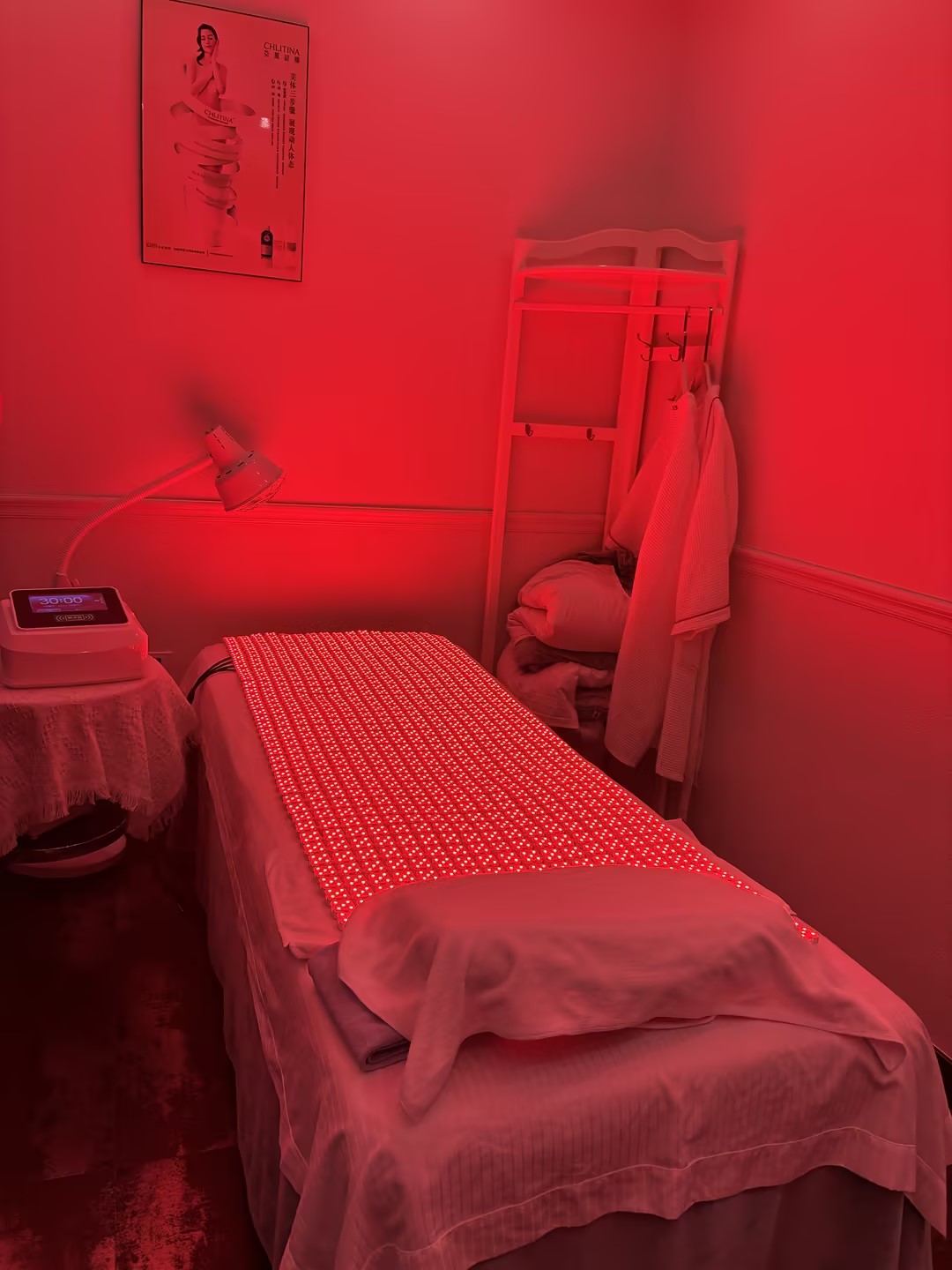
The newest devices use targeted wavelengths—often a precise blend of 660 nm and 850 nm—delivered through high-output LEDs rather than the broader, low-intensity panels of a decade ago. The real shift is in the engineering: better heat dissipation, flexible silicone pads that wrap around joints, and pulsed-light modes that claim to prevent cellular fatigue.
It’s not magic, but it’s compelling biology. Photons hit your cells and jolt the mitochondria into working a little harder—boosting ATP production and dialing down oxidative stress. In the ‘new type,’ the added near-infrared layer can reach deeper tissues, so you’re not just soothing the surface; you’re tickling muscles and even some bone-adjacent cells into a repair response.
It does matter, but not in a mystical way. Shorter red light (think 630–660 nm) is excellent for skin rejuvenation because it’s absorbed superficially. Go up to 800–850 nm and you’re penetrating enough to reach achy muscles and joints. The newer therapies combine both to get a ‘shallow and deep’ effect in one session, which is the main upgrade.
Not at all. The broader appeal has swung toward athletes nursing tendonitis, older adults dealing with knee pain, and even office workers trying to calm persistent back strain. Dermatologists still champion it for fine lines, but it’s the muscle recovery angle that’s turned it into more of a home-gym staple than a spa-only toy.
Hype aside, this isn’t a laser makeover. Skin texture might feel a bit plumper and less irritated after 4–6 weeks. For muscle recovery, you’ll likely notice less stiffness the morning after a workout. Joint pain relief is more hit-or-miss—some feel marked improvement, others a mild warmth. The key is using it as a habit, not a emergency fix.
The biggest one is eye strain if you treat it like a glowing smartphone. Retinas don’t love prolonged near-infrared, so proper goggles are non-negotiable. Also, the portable, high-intensity pads can get warm—not sunburn warm, but enough to make people doze off and wake up a little pink. Mild headache after long sessions is another quiet complaint if you’re sensitive to bright light.
Conclusion
Red light therapy has evolved into a refined, non-invasive wellness tool that steps away from the harsh, full-spectrum lamps of the past. Instead of flooding the body with broad wavelengths, it leans on precisely tuned LED arrays that emit gentle red and near-infrared light, typically between 630 and 850 nanometers. This targeted range slips past the skin’s surface more readily, reaching deeper layers where cells put the energy to direct use. The real breakthrough sits at the mitochondrial level—certain chromophores soak up the photons and set off a chain of events that turbocharge adenosine triphosphate production. That extra fuel helps cells mend themselves, dial back oxidative stress, and regulate inflammation. In turn, collagen synthesis picks up and microcirculation improves, creating a ripple effect that recharges tissue without the stress of ablative or thermal damage often tied to older devices.
What makes the modern approach stand out is not just the science, but how that science translates into everyday use with minimal drama. The “new type” isn’t about one magic bulb—it’s about matching the wavelength to the goal, whether that’s coaxing a glow from the dermis with visible red or easing joint stiffness with deeper near-infrared. Real-world gains range from firmer skin and fading fine lines to faster muscle recovery and relief from persistent aches, all without relying on exaggerated promises. Safety, too, sits at the center of the conversation: when used as directed—short sessions, proper eye protection, and sensible distances—adverse effects are rare. Integrating the practice into a morning or evening routine feels less like a clinical chore and more like a quiet moment of upkeep, which is perhaps why it’s gaining traction outside clinics and gyms alike.
Contact Us
Contact Person: Leon Yi
Email: [email protected]
Tel/WhatsApp: +86 17363316873
Website: https://zzgt.en.alibaba.com/