

Reliable Labels Inkjet Coding Machine: How It Improves Packaging Traceability
2026-10-27
Every unreadable code on a package is a missed opportunity—and a potential recall risk. Yet many manufacturers still rely on outdated marking systems that fade, smudge, or fail at the worst moment. That's where Danmajet steps in. In this post, we'll unpack how a truly reliable labels inkjet coding machine turns packaging from a passive container into a traceable, data-rich asset. Stick around if you're tired of guesswork on the line.
When Every Carton Carries a Code You Can Actually Read
Imagine grabbing a carton from the shelf and actually understanding the string of numbers and letters printed on its side. That's the shift happening with readable codes on packaging — no scanner required, no squinting at faded ink. Instead of a cryptic batch number meant only for internal tracking, you see a clear line like "Packed on 12 May, Use by 30 May" in a font sized for human eyes.
This approach changes how we interact with everyday goods. A quick glance tells you the exact production window, the source facility, or even the specific conveyor line — all without an app. For people managing inventory at small shops or checking freshness at home, it means less guesswork and fewer wasted products. The code stops being a barrier and starts being a conversation.
Beyond convenience, there's a subtle trust-building effect. When a manufacturer prints information you can actually read without decoding tools, it signals a respect for your time and intelligence. It turns the carton into a transparent messenger rather than a locked box of data. That level of clarity is rare, and once you've experienced it, going back to unreadable smudges feels like a step backwards.
Batch Numbers That Survive the Trip From Line to Shelf
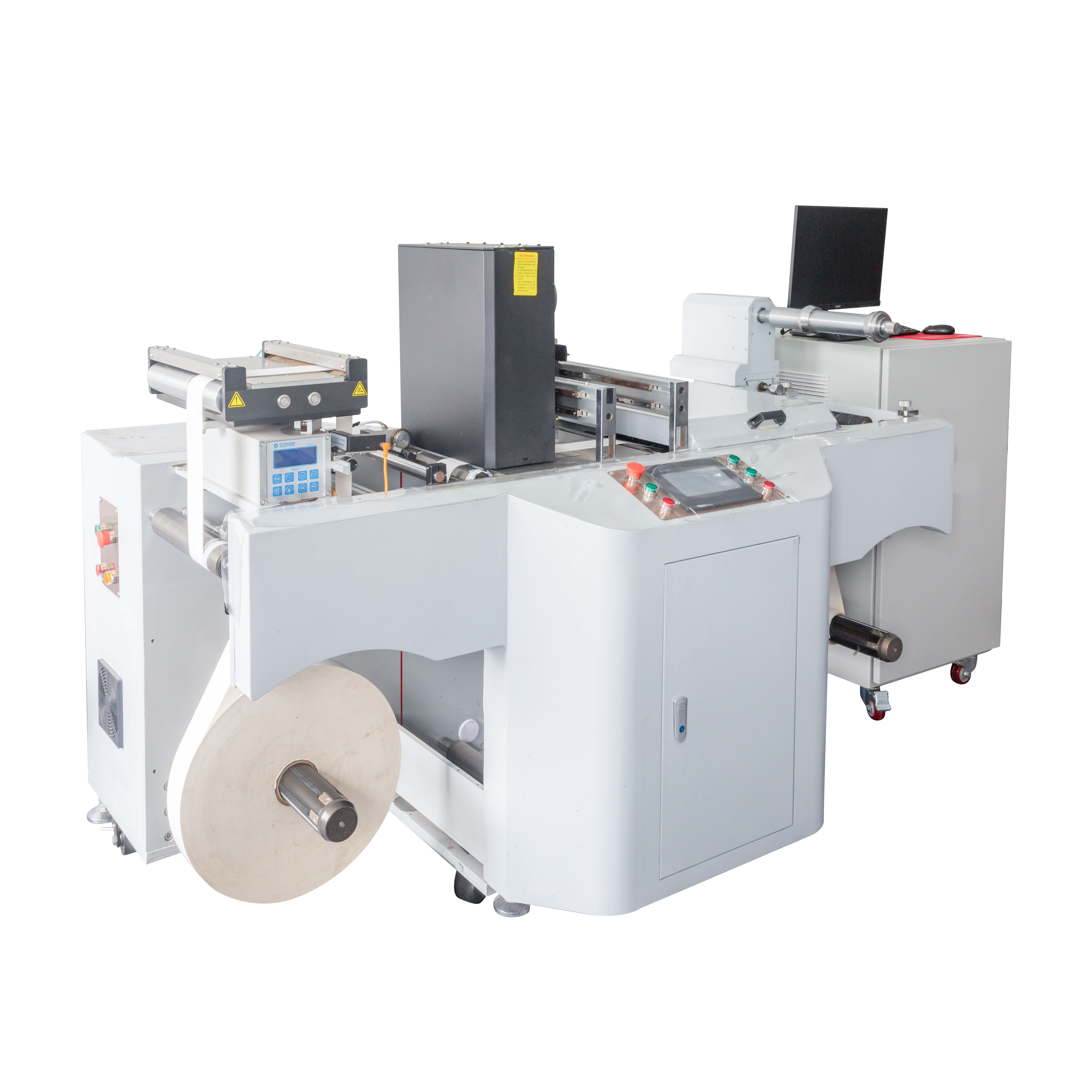
A batch number only earns its place if it can handle the rough-and-tumble path from the packaging line to the retail shelf. That means ink and print surfaces have to withstand scuffs from conveyor belts, condensation inside cold storage, and occasional spills during transport. When the code smears or fades halfway through distribution, traceability breaks before the product even reaches the customer.
The real test often comes weeks later, not hours after printing. Shifts in temperature and humidity can slowly lift an improperly cured code, especially on flexible films or wax-coated cartons. Choosing a printing method that bonds well with the substrate, and verifying adhesion under real-world conditions, keeps the batch number readable from the moment it leaves the line until the last unit is pulled from the shelf.
There is also the human factor in retail. Stock rotation and recalls depend on staff being able to find and read the code without guesswork. If a batch number survives physical stress but is placed where shelf tags or shrink wrap hide it, the value is lost. Placement tests that mimic how products are stacked and faced on shelves help ensure the code remains visible and scannable throughout its working life.
Less Rework, More Trust: What Reliable Inkjet Coding Changes on the Floor
When inkjet coders do their job without drama, line operators stop hovering over cartons waiting for smeared lot numbers or half-printed expiry dates. Rework falls because the first code is the only code you need, not a draft to be wiped off and redone. That frees people to handle changeovers, material checks, or simply keep the line moving.
Trust on a floor is built quietly. A coder that holds legible prints through speed swings, dusty air, or curved packaging stops being a daily worry. Supervisors no longer pencil in manual stamping as a backup or pull half a shift to re-label finished goods. The equipment simply becomes part of the routine.
What actually changes is the mood around the line. Fewer stop-start interruptions, fewer pallets quarantined for inspection, fewer explanations owed to the next shift. Reliable inkjet coding removes a small but constant source of doubt, and that is what keeps production people from treating every run like a gamble.
Why Traceability Fails When the Print Fades—and How to Stop It
The moment a printed code becomes illegible, the entire chain of custody breaks. A faded lot number or smeared barcode leaves warehouse staff guessing, and electronic records no longer match physical reality. This mismatch often surfaces during audits or recalls, when time is already short.
The root cause is usually a combination of cheap ink, unsuitable label stock, and exposure to heat, moisture, or solvents. Many facilities still rely on thermal transfer ribbons that simply cannot survive the conditions they are stored in. As the print degrades, so does confidence in the system; workers begin to bypass scanning and rely on memory or handwritten notes.
Stopping this begins with treating the printed mark as a critical data point, not an afterthought. Switch to durable label materials and print methods rated for the actual environment, then implement verification at the point of application. Routine barcode grading and periodic audits of high-wear areas catch fading before it erases traceability.
From Recall Drills to Real Recalls: Coding That Keeps You Ready
Most recall drills feel tidy—everyone knows the steps, the data is clean, and the clock runs without surprises. Real recalls are messier. A customer flags a defect at 6 p.m. on a Friday, the stack trace points to a module nobody has touched in years, and the pressure to fix it fast collides with the need to fix it right. Coding that keeps you ready means writing functions and tests that don't just pass a drill but survive the chaos of an actual recall. It's about leaving breadcrumbs in your logs, keeping dependencies explicit, and treating every hotfix as if it might need to be reverted before morning.
During a recent drill, our team simulated a memory leak in a payment service. The first responder spent twenty minutes just tracing which microservice owned the failing queue. That delay wasn't a lack of skill—it was a lack of code-level signposting. After that, we started embedding lightweight trace IDs and adding assertion messages that say what failed, not just that something failed. When a real recall hit three weeks later, those small changes cut diagnosis time by half. Preparedness isn't about memorizing runbooks; it's about writing code that tells its own story under stress.
There's a difference between a codebase that can pass a staged recall and one that can absorb a genuine one without collapsing. That difference often lives in the unglamorous corners: consistent error handling, clear ownership of shared state, sensible defaults for feature flags. Teams that practice recall drills but don't change their coding habits end up with better actors and the same brittle script. The teams that stay ready are the ones who treat every pull request as a chance to make the next incident less dramatic—less heroic, more routine.
High-Speed Lines Need Codes That Keep Up Without Blurring
When a packaging line accelerates past 300 units per minute, the margin for a misprinted date or smeared barcode shrinks to nearly zero. Traditional inkjet markers start to feather, and even slight vibrations turn a crisp code into a smudge that scanners reject. The real challenge isn't just speed—it's keeping each mark legible, properly adhered, and scannable at full throughput without pausing the line for adjustments.
Modern coding systems built for high-speed operations use drop-on-demand technology with solvent-based inks that dry in milliseconds, so a printed code doesn't blur when the next package brushes against it. Synchronization matters just as much: the printhead must track the substrate's movement precisely, firing each droplet only when the surface is exactly where it should be. That microsecond-level timing eliminates the stretch or compression that often plagues codes at speed.
Operators also benefit from systems that self-correct ink viscosity and nozzle cleanliness automatically, rather than relying on manual checks that slow the line. A well-chosen coder doesn't just keep pace—it removes the blur that would otherwise force a choice between running fast and reading right.
FAQ
They print variable information directly onto the package at production speed, which means each item can carry its own batch number, date, or serial code without slowing the line. That direct marking is what lets a pack be traced back to its exact production point later.
A reliable machine keeps the code legible and consistent across thousands of units. When every code is clear, warehouse staff and retailers can scan it without guesswork, and recalls or quality checks become much faster because the data actually matches what was produced.
Most models work on porous surfaces like corrugated cardboard, paperboard, and uncoated cartons. Some industrial printers also handle films, foils, and plastics, but you need to match the ink type to the surface so the code dries quickly and stays readable.
If the printer skips codes or fades midway through a shift, you lose the link between the product and its batch record. Reliable equipment reduces those gaps, keeps downtime low, and gives you confidence that every package leaving the line carries the information it should.
Common markings include production dates, expiry dates, lot or batch numbers, shift codes, plant identifiers, and sometimes serialized QR or barcode data. The exact mix depends on the industry and what regulators or customers expect.
Pre-printed labels require inventory management and can be applied to the wrong product. Inkjet coding puts the variable data on the package at the moment of production, so there is less chance of mix-ups and no need to store thousands of label rolls.
Look at the printer's duty cycle, ease of cleaning, ink adhesion on your specific material, and how simple it is to swap cartridges or adjust the printhead. A model that is straightforward to maintain will usually be more dependable over the long run.
Yes, because many regulations require clear and accurate batch or date information. A dependable coder ensures that this information is printed consistently, which makes inspections and audits less stressful and reduces the risk of non-compliant stock reaching the market.
Conclusion
On a busy packaging line, the difference between a code that scans first time and one that needs a second look comes down to the inkjet machine behind it. Reliable labels inkjet coding machines print carton after carton with crisp, legible batch numbers that don't smudge on film, board, or shrink wrap. Those codes hold up from the moment they leave the line until they reach a store shelf, surviving scuffs, condensation, and rough handling in transit. When every carton carries a code you can actually read, operators spend less time reprinting and more time keeping production moving. That shift quietly rebuilds trust on the floor: quality checks pass faster, line stoppages drop, and the daily count of rejected packs falls without anyone making a fuss about it.
Traceability fails when print fades, and fading usually starts with the wrong ink, the wrong throw distance, or a nozzle that hasn't been cleaned. A reliable inkjet coding machine removes those variables with consistent drop control and maintenance routines that fit real shift patterns, not just the manual. That matters most during recall drills—and real recalls—when batch numbers have to be pulled from warehouse records and retailer shelves without guesswork. On high-speed lines, codes that blur at 300 packs a minute are worse than no code at all; they create false confidence. Machines built for reliable coding keep pace with the line, keeping every digit sharp enough to scan long after the carton has left your facility. That's the practical side of traceability: not just printing a number, but making sure it's still there when someone actually needs it.
Contact Us
Contact Person: Jacky
Email: [email protected]
Tel/WhatsApp: 086 15000607053
Website: https://www.danmajet.com