

Soil Stabilization for Dust Control: Effective Methods and Benefits
2026-08-04
Dust from unpaved roads and construction sites is more than just a nuisance—it's a serious health, safety, and environmental concern. If you've ever struggled with persistent dust and wondered if there's a better solution, MST offers innovative soil stabilization methods that not only control dust effectively but also strengthen the ground for long-term use. In this post, we’ll explore how these techniques work, their key benefits, and why they're becoming the go-to choice for sustainable dust management.
Why Dust Becomes a Problem and How Stabilizers Tackle It
Dust isn't just a minor nuisance—it quietly undermines safety, health, and operational efficiency. On unpaved roads or construction sites, loose particles become airborne with every passing vehicle or gust of wind. This suspended dust slashes visibility, raising the risk of accidents, while the fine particulate matter poses serious respiratory threats to workers and nearby communities. Equipment also suffers: abrasive dust accelerates wear on engines and moving parts, driving up maintenance costs and downtime. Beyond that, continuous loss of surface material leads to rutting, potholes, and erosion, demanding frequent and expensive regrading.
Traditional methods like watering offer fleeting relief at best. Water evaporates quickly under sun and heat, requiring constant reapplication that drains resources and offers no real bond between particles. This is where modern stabilizers step in. Rather than merely wetting the surface, these formulations—often based on polymers, lignin, or chloride compounds—penetrate the surface and bind fine particles together, forming a cohesive, resilient crust. They attract and hold moisture from the air, keeping the surface damp, while also strengthening the road base and preventing the release of dust at its source.
What sets stabilizers apart is their long-lasting action. A single application can keep a surface dust-free for months, drastically cutting water consumption and labor. They effectively mitigate PM10 and PM2.5 emissions, helping operators meet environmental regulations without disrupting daily operations. Moreover, by solidifying the surface, stabilizers reduce material loss, meaning fewer grading cycles and less aggregate replacement. The result is a safer, cleaner, and more durable working environment that saves money over time and sidesteps the endless cycle of temporary fixes.
Breaking Down the Most Practical Soil Binding Techniques
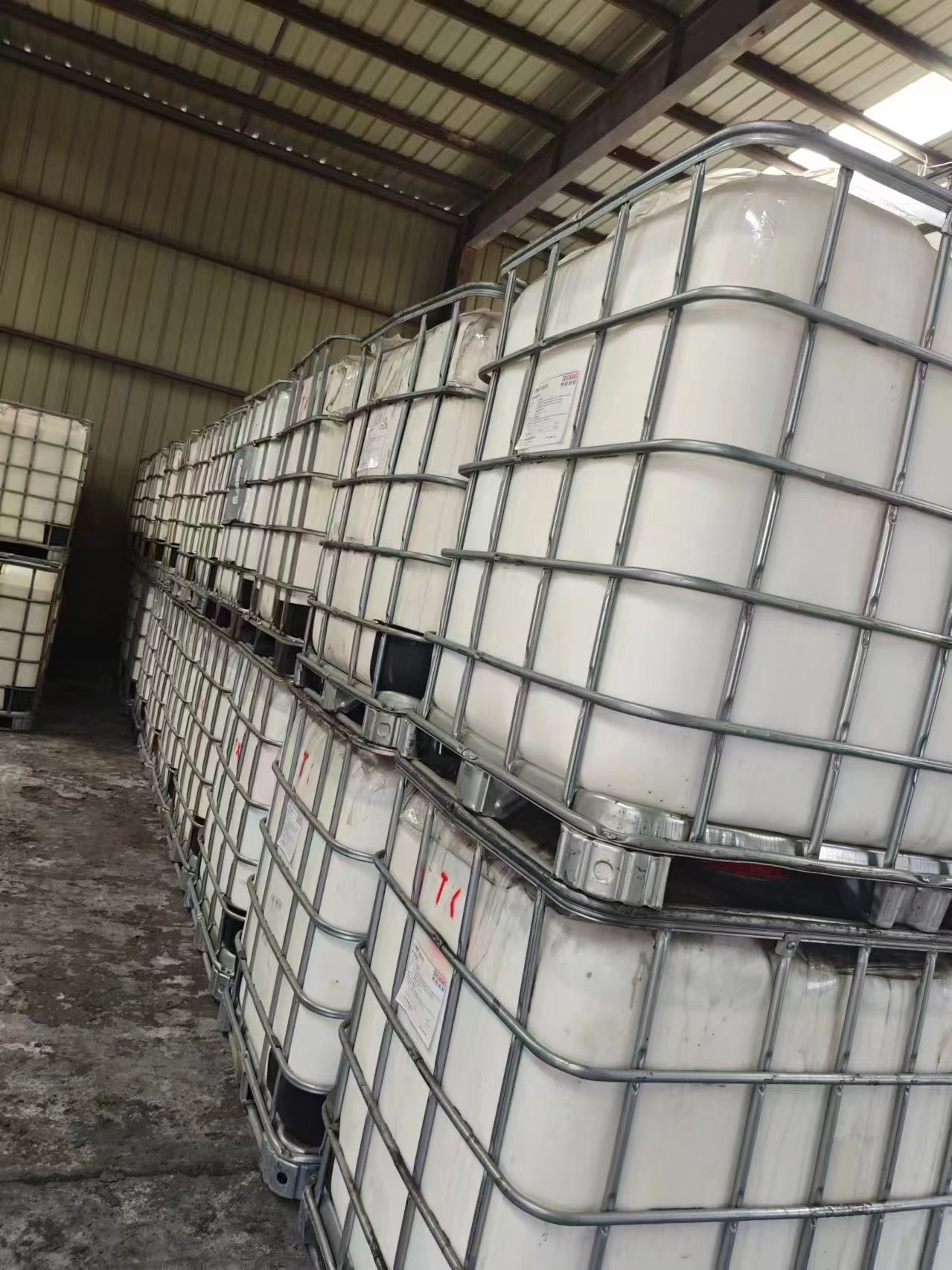
Soil binding isn't just about tossing seeds and hoping for the best—it's about understanding how roots, organic matter, and mineral interactions hold everything together. One of the most overlooked but effective approaches involves using mycorrhizal fungi networks to create a living mesh beneath the surface. These fungi thread through soil particles, binding them in a web that's surprisingly resilient against erosion. Pair that with deep-rooted perennials like switchgrass or comfrey, and you've got a system that works vertically and horizontally to lock soil in place. The beauty is that it builds on itself year after year, requiring less intervention as the underground architecture matures.
On sloped ground, physical barriers still have their place, but ditch the generic geotextiles for something more adaptable—like coir logs stuffed with native sedge roots. They trap sediment while slowly integrating into the hillside, rather than just covering it. For flatter areas struggling with dust or surface crusting, a thin slurry of aged compost and diluted molasses can kickstart microbial glues that bond particles without the toxicity of synthetic polymers. The key is to mimic natural processes: healthy soil already knows how to aggregate, we just need to give it the right ingredients at the right time. Sometimes the most practical technique is simply staying out of the way while a well-designed polyculture does the heavy lifting.
Choosing the Right Additives for Long-Lasting Results
Picking the ideal additive isn't about grabbing the most popular option off the shelf. It starts with a clear understanding of the specific demands your project will face. For coatings exposed to harsh sunlight, a UV stabilizer isn't just helpful—it's essential to prevent fading and brittleness. Similarly, in high-moisture environments, anti-hydrolysis agents become a non-negotiable part of the mix. Matching the additive to the stressor ensures the final product holds up over time, rather than failing prematurely.
Compatibility is another layer that's often overlooked until it causes problems. An additive might perform brilliantly in a lab setting, yet trigger phase separation or migration when introduced to your base material. Testing how the additive interacts with polymers, fillers, and even processing conditions can reveal whether it will truly integrate or just sit awkwardly within the matrix. Small-scale trials save costly reformulations later and often highlight unexpected synergies between components.
Don't underestimate the influence of processing on additive effectiveness. Some stabilizers degrade under high shear or prolonged heat, losing their protective qualities before the product even cures. Others require precise dispersion to function correctly—a clump of anti-block agent does nothing for film clarity. Adjusting extrusion temperatures or mixing speeds might be as important as the additive selection itself. The goal is a formula that not only starts strong but continues performing after years of use.
Step-by-Step: Turning Loose Soil into a Solid Surface
Begin by clearing the area of any rocks, roots, or debris. Level the loose soil as much as possible, then use a hand tamper or plate compactor to press it down firmly. This initial compaction creates a stable base that reduces future settling.
Once the soil is compact and even, dampen it lightly with a garden hose—too much water can make it muddy, so aim for a mist-like moisture. Let it soak in for a few hours, then run the compactor over the surface again. The moisture helps bind particles together, transforming the loose earth into a firmer, more cohesive layer.
For extra durability, you can mix in a stabilizing agent like cement or lime powder before the final compaction. Spread a thin layer over the damp soil, rake it in evenly, and compact once more. After a day of curing, you’ll have a surface that resists erosion and can handle light foot traffic without crumbling.
The Hidden Gains of Dust Control Beyond Cleaner Air
Effective dust management does far more than just clear the air. It plays a quiet but crucial role in protecting expensive machinery from abrasive wear. When fine particles settle into moving parts, they accelerate deterioration, leading to more frequent breakdowns and costly repairs. By keeping dust levels low, operations often see a noticeable drop in maintenance expenses and unplanned downtime, which directly supports a smoother, more predictable production flow.
Another overlooked benefit is the boost in workplace morale and safety culture. A dusty environment can feel neglected and hazardous, subtly wearing down employee focus and comfort. Cleaner facilities tend to foster a sense of pride and well-being among staff, which translates to higher attentiveness. Fewer respiratory irritants also mean lower absenteeism and a more engaged team, creating a ripple effect that lifts overall performance.
Beyond the immediate site, dust control strengthens relationships with surrounding communities and regulators. Visible plumes or particulate drift often trigger complaints and tighten scrutiny, whereas proactive suppression demonstrates a commitment to being a good neighbor. This can ease the path for permit renewals and even open doors to new project approvals, all while preserving the local ecosystem and reducing the burden on nearby waterways and soil.
Real-World Examples of Stabilization That Actually Worked
Germany's post-World War II recovery is often cited as a textbook case of stabilization done right. The introduction of the Deutsche Mark in 1948, coupled with the sweeping economic reforms of Ludwig Erhard, abruptly ended hyperinflation and black market domination. Almost overnight, goods reappeared on store shelves, factories resumed production, and a sense of normalcy returned. This wasn't a slow, gradual improvement—it was a sharp pivot that restored faith in the currency and laid the groundwork for the Wirtschaftswunder, or economic miracle. The key wasn't just monetary reform; it was the simultaneous removal of price controls and the unleashing of market forces that turned a devastated nation into an industrial powerhouse.
On the other side of the spectrum, New Zealand's transformation in the 1980s and 1990s shows how a comprehensive package of fiscal and regulatory changes can stabilize an economy teetering on the brink. Facing a severe balance of payments crisis and an overgrown public sector, the government slashed subsidies, floated the dollar, and introduced central bank independence with a strict inflation target. These moves were jarring—entire industries had to adapt or perish—but they broke the cycle of stagnation and inflation that had plagued the country for decades. By the mid-1990s, unemployment was falling, growth was solid, and the government budget had swung into surplus, proving that bold, sustained reforms could repair even deeply rooted economic dysfunction.
FAQ
Soil stabilization involves treating the ground with binding agents or physical techniques to enhance its structural integrity and resistance to wind and water erosion. By reducing the amount of loose particles on the surface, it effectively minimizes dust generation, making it particularly useful for unpaved roads, construction sites, and mining operations.
Common reliable methods include using chemical additives like calcium chloride or magnesium chloride, which attract moisture to keep the surface damp. Polymer emulsions form a flexible crust that locks particles in place, while lignin or tree resin binders offer a more natural solution. Mechanical compaction and revegetation are also effective when conditions allow.
Unlike frequent watering, which evaporates quickly and requires constant reapplication, soil stabilization provides longer-lasting results. It reduces maintenance costs, improves air quality, and enhances safety by improving traction on roads. Additionally, it can prevent soil erosion, saving material that would otherwise be lost, and lowers the environmental impact from excessive water usage.
Polymer stabilizers create a durable, water-insoluble layer that can last for months or even years with proper application, whereas salts like calcium chloride are hygroscopic but may dissolve with heavy rain and require reapplication. Polymers are often less corrosive to equipment and vehicles and can be more environmentally friendly if formulated as biodegradable. However, they generally have a higher initial cost.
Yes, it's an excellent choice for agricultural roads where fugitive dust from heavy machinery can harm crop health and worker safety. Stabilization can be tailored to low-traffic conditions with cost-effective agents like lignosulfonates, which bind soil particles while remaining non-toxic to plants and livestock.
Key factors include soil type (sandy, clay, etc.), traffic load, local climate, and environmental regulations. You'll want to test soil properties to match them with the right stabilizer, consider the expected lifespan of the treatment, and evaluate any potential impacts on nearby water sources or vegetation. Always conduct a small-scale test to confirm effectiveness.
Conclusion
Dust from unpaved roads, construction sites, and agricultural fields isn’t just a nuisance—it erodes soil quality, impairs visibility, and poses serious health risks. Traditional watering provides only temporary relief, which is where soil stabilization steps in. By altering the physical or chemical properties of soil, stabilizers bind loose particles, creating a crust or reinforced matrix that resists wind shear and traffic wear. The most practical techniques range from mechanical compaction to chemical binders like polymers, chlorides, and enzymes. Each method works differently: some draw moisture from the air to keep soil damp, while others form a durable, glue-like network among particles. Selecting the right approach depends on soil type, climate, and traffic load, but the goal is always the same—transform dust-prone ground into a stable, cohesive surface.
The process of turning loose soil into a solid surface follows a clear sequence: assessing the soil, preparing the site, applying the stabilizer, and curing. But the benefits extend well beyond suppressing dust. Stabilization often cuts long-term maintenance costs, reduces gravel consumption, and can even improve load-bearing capacity—turning marginal tracks into usable haul roads. Health-wise, it slashes respiratory irritants, a win for both workers and nearby communities. Real-world successes abound: mine sites in Australia using polymer-based treatments have seen dust levels drop by over 90%, while rural counties in the American Midwest turned crumbling dirt roads into smooth arteries with enzyme stabilizers, drawing praise from residents accustomed to perpetual clouds of grit. These stories underscore that effective dust control isn’t just about cleaner air; it’s about building stronger, safer, and more livable environments.
Contact Us
Contact Person: Helen
Email: [email protected]
Tel/WhatsApp: 86 18630661160
Website: https://www.roadmilestone.com/