

Top Gasoline Dispenser Pump Supplier for Reliable Fueling Solutions
2026-10-19
Every fueling station operator knows the sinking feeling when a dispenser breaks down during rush hour. Lost revenue, frustrated drivers, and emergency repair calls are part of the job unless you have equipment that refuses to quit. That's where selecting a top-tier gasoline dispenser pump supplier becomes more than a checklist item—it's your first line of defense. Among the few manufacturers that truly understand this pressure, BEILIN has earned a reputation for building dispensers that handle high volumes, harsh weather, and daily wear without missing a beat. In this post, we'll dig into what separates BEILIN from the crowd and why their fueling solutions might be the reliability upgrade your station has been waiting for.
Precision Fueling Hardware for Every Station Layout
Tight forecourt layouts demand fuel dispensers that do more than fit—they need to hold calibration under uneven mounting surfaces and constant hose tension. Compact metering assemblies with integrated pulse dampeners keep flow readings stable even when the dispenser is wedged between bollards or set against a back wall. Swivel joints and low-profile hose retractors let the hardware follow the hose path without twisting the internal meter, so a skewed island doesn't translate into drift.
Multi-product stations rarely share the same plumbing geometry. Instead of forcing a one-size manifold, the fueling hardware ships with modular inlet blocks and offset flanges that adapt to existing underground pipe angles. Each nozzle position gets its own temperature-compensated meter, and the valve stack can be rotated 180 degrees during installation to suit left-hand or right-hand hose routing. That keeps diesel lanes, high-flow truck bays, and standard gasoline positions accurate without re-piping the site.
Diagnostics for precision shouldn't require a service call. Each dispenser includes a local calibration port and pulse output terminals that mirror the flow data to a handheld unit or station controller. When a pump is relocated or a lane is reconfigured, the meter factor can be adjusted on-site in minutes, and the hardware remembers the last verified settings even after a power cycle. Small layout quirks—like a hose crossing a walkway—no longer force a trade-off between accessibility and measurement accuracy.
Why Uptime Defines a Trusted Pump Supplier
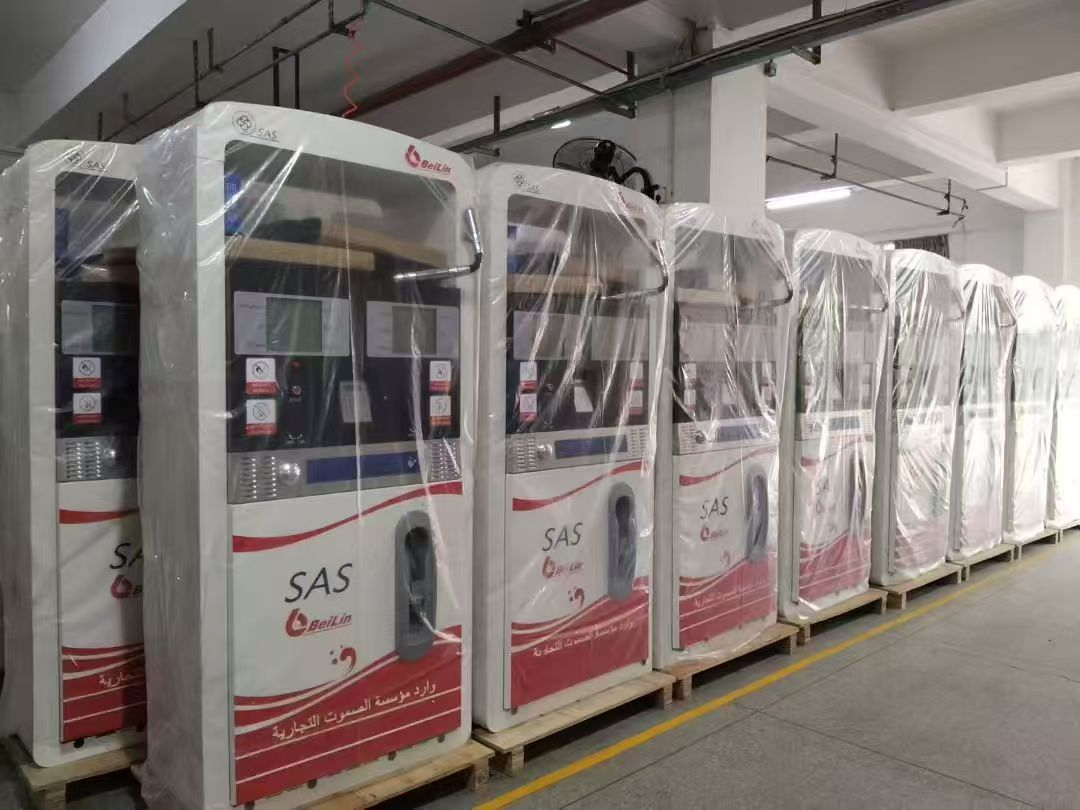
In industrial operations where fluids keep processes moving, a pump that stops is more than an inconvenience—it's a production halt with financial consequences. A supplier’s true reliability is measured not by promises in a brochure, but by the hours their equipment keeps running without unplanned intervention. Uptime, in that sense, becomes the clearest signal of engineering quality, material selection, and a deep understanding of actual operating conditions.
Trust is built slowly through repeated cycles of demand and delivery. When a pump consistently performs through temperature swings, abrasive media, or continuous duty, it earns a reputation that no marketing campaign can replicate. Buyers who manage critical systems tend to remember which vendor’s unit kept the line moving during a peak season, and which one required a midnight service call. That memory shapes future purchasing decisions far more than spec sheets ever will.
A supplier focused on uptime also tends to design for maintainability and parts availability, because they know that even the best equipment needs planned service eventually. Quick rebuilds, accessible wear components, and clear diagnostic support all contribute to the same goal: fewer idle hours. In the end, the most trusted pump supplier isn't the one with the lowest initial quote, but the one whose equipment quietly keeps doing its job while others are being replaced.
Dispenser Designs That Handle Real-World Flow Rates
Real-world dispensing rarely matches the neat specs on a datasheet. Fluids vary from watery solvents to thick pastes, and the same valve that works in a lab often stutters when asked to deliver a consistent bead of thermally conductive adhesive at production speed. A meaningful design shift is moving from simple orifices to positive-displacement or auger-driven mechanisms that actively control volume per cycle, so viscosity swings and backpressure from downstream tooling don't silently change the dose.
Flow path geometry often gets blamed for inconsistent output, and with good reason. Sharp corners, dead zones, and sudden diameter changes can shear sensitive fluids or trap air pockets that later spit out as bubbles. Designs that handle real flow rates tend to use gradual tapers, polished contact surfaces, and shorter, wider passages where possible. Some dispensers also include pressure sensors near the outlet, allowing the controller to compensate on the fly for filter clogging or batch-to-batch variation instead of relying on a fixed timer.
Production lines stop for breaks, changeovers, and misfeeds, and the dispenser has to cope with those interruptions. Nozzles idle, materials cure or settle, and abrasive fillers chew through seals. A practical design includes snuff-back or suck-back at the end of each cycle, rapid purging routines for shift changes, and seal materials that survive abrasive fillers. These details matter more than maximum flow rate—if the dispenser cannot deliver the same amount at hour one and hour eight, the line will drift out of spec long before the pump wears out.
Simplified Maintenance, Longer Service Intervals
Routine upkeep often feels like a second job. This design strips that burden away. Key components are positioned for quick access, so filter swaps and fluid checks take minutes rather than an entire afternoon. Wear items are built to outlast conventional parts, stretching the gap between scheduled visits to the workshop.
The result is less downtime and fewer surprise costs. By extending service intervals, the machine spends more hours doing real work and less time sitting idle. It’s a straightforward approach: make maintenance simple enough that it fades into the background.
Compliance-Ready Pumps Without the Guesswork
Industrial pump selection often feels like a maze of regional codes, material certifications, and shifting regulatory demands. One overlooked standard can stall an entire project, forcing rework or costly substitutions at the last minute.
Our pump series removes that burden by embedding compliance into the design phase itself. Each unit arrives with documentation matched to your operating region, from ATEX and IECEx for hazardous areas to NSF/ANSI for potable water. No back-and-forth with third-party certifiers, no waiting on missing test reports.
Instead of hoping a pump clears inspection, you get a certified, traceable asset from day one. That means shorter lead times, cleaner audits, and a maintenance team that never has to wonder whether the equipment on the floor is actually legal to run.
Partnering from Installation to Long-Term Support
From the first cable plugged in to the hundredth software update, our team remains the same point of contact. No ticket roulette, no repeating your story. You get names, not case numbers.
We track your system's health between visits and flag issues before they interrupt your work. When priorities change—new equipment, new locations, new compliance rules—we adapt without requiring a new contract or a new team.
Long-term support here means scheduled maintenance that respects your calendar, direct phone access to engineers who know your building, and honest advice when it's time to upgrade or hold steady. That's the partnership we've built with clients who've stayed for a decade or more.
FAQ
A dependable model combines sturdy cabinet construction, accurate metering, and clear user interfaces. It also comes with accessible spare parts and a supplier that answers service calls quickly.
Look for evidence of third-party testing, clear documentation for weights and measures approval, and a track record of installations in markets similar to yours. Serious suppliers share those details before you ask.
Most operators benefit from inspecting filters, seals, and hoses every three to six months. Meter calibration should follow local regulations, often annually or after major part replacements.
Yes, many current units support multiple grades, pay-at-pump terminals, and unattended card readers. Confirm the interface protocol with your point-of-sale provider before finalizing.
Suppliers often offer different frame widths, hose lengths, and nozzle configurations. Share your forecourt layout and expected daily volume, and they can recommend a configuration that reduces queueing.
A competent supplier provides site prep drawings, commissioning checklists, and either on-site or remote startup support. Ask whether they include operator training for daily use and emergency stops.
Monitoring systems can flag meter drift, low-flow issues, or failed payment modules before they become full outages. This lets technicians arrive with the right parts and reduces lost sales.
Conclusion
Finding a gasoline dispenser pump supplier that actually understands day-to-day fueling operations means looking beyond glossy spec sheets. The right partner delivers precision hardware that fits awkward station layouts without forcing expensive civil work, and dispenser designs that keep pace with real-world flow rates during peak hours instead of just laboratory conditions. Reliable fueling isn't about one impressive test result—it's about pumps that hold calibration, handle heavy nozzles and harsh weather, and don't demand constant tinkering. Simplified maintenance matters just as much as initial performance; longer service intervals and easy-access components keep lanes open and revenue flowing while reducing downtime that quietly eats into margins.
Uptime is the real measure of a trusted pump supplier, and that trust is earned through more than a warranty card. Compliance-ready pumps remove the guesswork around shifting fuel standards and metrology requirements, letting operators focus on customers rather than paperwork. Equally important is a supplier that stays involved after the concrete sets—providing installation guidance, training, and long-term support that adapts as the site evolves. Whether retrofitting an older station or building a new one, the difference between an average vendor and a true fueling partner shows up in the moments that matter: a busy holiday weekend, a sudden regulatory update, or a maintenance call answered on the first ring. That's what reliable fueling solutions actually look like on the ground.
Contact Us
Contact Person: Jason
Email: [email protected]
Tel/WhatsApp: 8615876017548
Website: https://www.bei-lin.com/