

Wood-Based Activated Carbon Sourcing: Essential Strategies for High-Quality Supply
2026-07-26
Sourcing wood-based activated carbon isn’t just about finding a supplier—it’s about securing consistency, purity, and performance for demanding applications. With global supply chains shifting and quality grades varying wildly, even seasoned buyers can get caught off guard. At Tundrr, we’ve seen how the right sourcing strategy can turn a headache into a long-term advantage. This guide cuts through the noise and lays out the essentials for building a reliable, high-quality supply chain.
Mapping the Raw Material Landscape for Wood-Based Activated Carbon
Wood-based activated carbon draws its unique properties from a surprisingly varied roster of source materials. Softwoods like pine and spruce offer a uniform, low-density structure that yields highly porous carbons ideal for liquid-phase applications. Hardwoods such as oak and birch, with their denser cellular makeup, tend to produce carbons with tighter pore distributions, often favored for gas adsorption. Beyond these conventional choices, agricultural residues and forestry by-products—bark, sawdust, and nut shells—are increasingly scrutinized not only for their technical performance but also for their role in circular supply chains.
Geographic origin adds another layer of complexity. A spruce grown in Scandinavian boreal forests develops different lignin-to-cellulose ratios than one harvested in temperate regions, directly influencing activation behavior and final pore architecture. Local harvesting practices, seasonal variations, and even soil composition introduce subtle shifts that can multiply across production batches. This natural variability demands rigorous characterization: proximate analysis, thermogravimetric profiling, and iodine number benchmarking become essential to map how a given feedstock will behave through pyrolysis and activation.
Rather than treating wood simply as a generic input, forward-looking producers now approach it as a material to be designed. Blending species, pre-treating with mineral salts, or charring under oxygen-limited conditions can steer the development of specific pore sizes long before activation begins. This thinking transforms the supply chain from a procurement challenge into a strategic asset, where the careful selection and preparation of raw materials become the quiet foundation of high-performance, application-specific activated carbons.
Evaluating Production Methods That Shape Carbon Quality
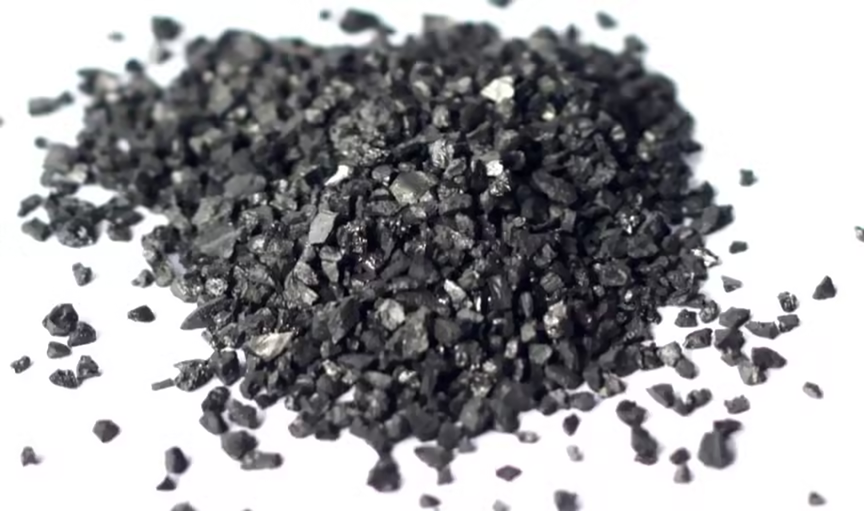
Carbon quality isn’t a fixed trait—it’s deeply influenced by how the material is produced. From feedstock selection to the thermal treatment conditions, each step leaves a fingerprint on the final product. For instance, biomass-derived carbons often carry a higher oxygen content and more reactive surface groups compared to those sourced from fossil fuels. These differences affect everything from porosity to electrical conductivity, making it essential to trace quality back to production roots rather than relying on surface-level specifications.
When comparing activation methods, the contrast between physical and chemical routes becomes stark. Physical activation with steam or CO2 tends to create micropores and a more graphitic structure, while chemical activation using agents like KOH or H3PO4 often yields higher surface areas and a broader pore size distribution. Yet these advantages come with trade-offs: chemical routes can introduce heteroatoms that alter surface chemistry, sometimes improving adsorption for certain pollutants but reducing stability in electrochemical applications. The choice isn’t just about performance; it’s about aligning the production method with the intended end use.
Assessing production methods also means looking beyond the lab. Scalability, energy consumption, and waste streams matter as much as the material’s properties. A method that produces high-quality carbon in small batches may falter at industrial scale due to cost or consistency issues. That’s why rigorous evaluation frameworks are emerging—ones that combine life-cycle thinking with performance metrics to determine what truly qualifies as “high-quality” carbon. Without this holistic view, we risk optimizing for one attribute while missing the bigger picture.
Forging Transparent Partnerships with Global Suppliers
We believe openness with suppliers goes far beyond quarterly reports and audit checklists. It's about sharing forecasts early, discussing production challenges candidly, and co-creating solutions when raw material costs shift unexpectedly. This level of honesty has led to fewer stockouts and more innovative packaging designs—simply because both sides feel invested in the outcome rather than guarding their own margins.
One practice that sets our approach apart is the mutual site visit. Instead of only sending our quality team to inspect their facilities, we invite suppliers to tour our distribution centers and meet the teams handling their goods. They see firsthand how a late shipment ripples through our operations, and we witness the craftsmanship behind their components. These exchanges turn contractual obligations into personal commitments, making it easier to pick up the phone and work through issues before they escalate.
Data transparency plays a quietly powerful role. We maintain a shared platform where both parties can track order progress, material certifications, and sustainability metrics in real time—no hidden spreadsheets, no delayed email threads. When a supplier spots a bottleneck, they flag it immediately, and we adjust production schedules together. This continuous flow of information has cut lead times by over 20% and deepened trust, proving that transparency isn't a concession but a competitive advantage for everyone involved.
Navigating Quality Certifications and Testing Protocols
Understanding the landscape of quality certifications begins with recognizing that not all seals of approval carry the same weight. Industry-specific marks like UL, CE, or ISO are more than just symbols; they represent a product’s journey through rigorous evaluation. But the process is rarely linear. Manufacturers often grapple with overlapping standards across different markets, each with its own interpretation of safety and performance. The key lies in mapping your product’s intended use to the right framework early on, avoiding costly redesigns later.
Testing protocols themselves can be a maze of acronyms and technical jargon. From accelerated life testing to electromagnetic compatibility checks, the choice of protocol depends heavily on the end-user environment. A device destined for a factory floor faces vastly different stresses than one in a medical setting. Smart companies don't just test to pass a certification; they integrate testing feedback into the design cycle, weeding out weaknesses before they become liabilities. This proactive approach often reveals insights that generic checklists miss.
Finally, staying ahead means treating certifications as a moving target. Standards evolve, new regulations emerge, and consumer expectations shift. Instead of viewing a certification as a one-time achievement, the most resilient manufacturers build a compliance cadence into their product lifecycle. This includes monitoring regulatory updates, engaging with testing bodies early, and sometimes exceeding minimum requirements to future-proof their offerings. In a crowded marketplace, that extra layer of diligence speaks volumes to partners and customers alike.
Balancing Cost Efficiency with Long-Term Reliability
Many manufacturers face the temptation to cut upfront costs by selecting lower-grade materials or skipping rigorous testing. While this approach may improve short-term margins, it often backfires when equipment failures lead to production downtime or safety incidents. A more practical route involves evaluating the total lifecycle expense—factoring in maintenance, energy consumption, and replacement cycles. For instance, opting for a slightly pricier corrosion-resistant alloy in chemical processing equipment can eliminate frequent shutdowns and extend service intervals, ultimately saving more than the initial savings from a cheaper alternative.
Maintenance strategies also play a critical role in this balance. Reactive maintenance—fixing things only after breakdowns—seems cheaper on paper until emergency repairs and overtime costs pile up. Predictive maintenance, using vibration sensors or thermal imaging, shifts the focus to preventing failures before they occur. The upfront investment in monitoring tools might raise eyebrows in budget meetings, but when a single avoided unplanned outage pays for the entire system, the long-term reliability argument becomes hard to ignore. It’s about spending where it matters, not just spending less.
Procurement teams frequently navigate this tension by building supplier relationships that prioritize value over price alone. A vendor offering a five-year warranty with responsive support might edge out a lower bid with no after-sale commitment. In sectors like telecommunications or data centers, where uptime directly impacts revenue, the calculus shifts further—the cost of a network failure dwarfs any hardware discounts. Ultimately, balancing cost efficiency with long-term reliability isn’t about choosing one over the other; it’s about making informed trade-offs that align with operational realities and risk tolerance.
Adapting Sourcing to Evolving Environmental Standards
Sourcing teams are facing a moving target as environmental regulations tighten and consumer expectations shift. What was considered a benchmark for sustainability just a few years ago may now fall short of new carbon disclosure mandates or updated certifications. Rather than reacting to each change as it comes, forward-thinking companies are embedding flexibility into their supplier agreements and audit processes from the start. This means building in periodic reviews that align with emerging science-based targets and regional legislation, ensuring that partnerships can evolve without constant renegotiation.
Practical adaptation often starts with mapping the supply chain beyond tier one. Deeper visibility reveals hotspots where environmental risks are concentrated—whether it’s water-intensive dyeing processes, unregulated waste disposal, or reliance on non-renewable energy in manufacturing. By segmenting suppliers based on their maturity and impact, businesses can tailor support and incentives. High-potential partners might receive co-investment for cleaner tech, while those unwilling to progress face a clear, phased exit. This tiered approach keeps the supply base dynamic, rewarding improvement and weeding out stagnation.
Technology plays a quiet but enabling role, not as a silver bullet, but as a way to streamline transparency. Digital platforms can capture real-time data on emissions, material provenance, and compliance documentation without drowning teams in spreadsheets. More importantly, this data becomes useful when paired with human judgment—spotting patterns, verifying claims, and flagging discrepancies before they become liabilities. Ultimately, adapting sourcing isn’t about chasing every new standard; it’s about building a system that’s responsive enough to integrate them as they matter, keeping operations resilient and credible in a shifting landscape.
FAQ
Wood-based activated carbon offers a unique porous structure, especially rich in mesopores, which makes it highly effective for adsorbing larger molecules like color bodies in liquids or medium-sized organic compounds. Its renewable origin and typically lower ash content can also be a plus for food-grade or pharmaceutical applications.
Go beyond the typical iodine or molasses numbers. Request a full analysis including BET surface area, pore size distribution, particle size, and ash content. Also, ask for a certificate of analysis (COA) matching the batch, and ideally, send samples to an independent lab for a pre-shipment test if the order volume justifies it.
The type of wood (hardwood, softwood, coconut shell, etc.) dictates the pore structure. For instance, hardwoods yield more mesopores while coconut shells yield more micropores. Consistency in the raw material is key; a supplier who frequently mixes different wood sources can introduce performance variations. Ask them to confirm their wood type and its origin.
Be cautious of suppliers who can't provide detailed technical data or avoid discussing their activation process. Other red flags: inconsistent sampling methods, reluctance to offer a small trial batch, a history of delayed shipments, or a lack of references in your industry sector.
Instead of just a flat price, tie the contract to measurable performance metrics like iodine number or tannin value. Include a clause for penalties if the product falls below spec, and consider a volume-based discount with annual review. Also, secure a right-to-audit the manufacturing process to ensure long-term quality consistency.
Start with parallel testing: run the new carbon in a side-by-side setup with the old one. Document baseline performance data before the switch. Gradually ramp up usage over several cycles, and train your operators on any handling differences. Keep a small buffer stock of the old carbon in case of unexpected issues.
Steam activation generally produces a more developed pore structure with a wider range, making it versatile for both liquid and gas phases. Chemical activation (often with phosphoric acid) can yield a higher surface area but may leave residues that could leach in sensitive applications. Always check for residual chemicals based on your end-use—e.g., food contact requires extremely low leachable content.
This material can be friable and create dust during transit, leading to product loss and handling issues. Specify packaging that minimizes breakage, like rigid big bags or lined containers. Also, because it's hygroscopic, protect it from moisture during shipping; water-logged carbon can lose some adsorptive capacity. Coordinate with your freight forwarder to avoid long-term storage in humid environments.
Conclusion
The foundation of effective wood-based activated carbon sourcing lies in deeply understanding the raw material landscape. Feedstock selection goes beyond simple wood type—hardwoods like oak create micropores ideal for gas adsorption, while coconut shells yield a harder, high-surface-area carbon suited for liquid purification. Pinpointing the right origin and species ensures that the carbon’s porosity aligns with contaminant removal targets. Processing methods then build on this foundation. The choice between steam activation, which opens up physical pore networks, and chemical activation, which develops complex mesopores, directly shapes iodine number, bulk density, and ash content. A supplier’s ability to describe and control these variables—and to be transparent about their kiln parameters—prevents costly mismatches between product specs and real-world performance.
Equally important is the framework of certifications and testing that backs up supplier claims. Beyond standard ISO guidelines, industry-specific certifications like the NSF/ANSI standards for drinking water or REACH compliance for European markets provide concrete benchmarks. Routine audits of iodine and molasses numbers, complemented by batch-level sieve analysis, keep quality consistent. Cost analysis should extend past the purchase price; a cheap carbon that wears out quickly or demands frequent backwashing strains operational budgets. Factoring in regeneration efficiency and service life often reveals that a slightly pricier, durable product delivers lower total cost. Finally, regulatory shifts around VOC emissions and carbon-neutral manufacturing are reshaping supply chains. Suppliers who proactively adopt chain-of-custody certification for wood sources and invest in emission abatement technology help buyers meet both current permits and future restrictions, making sourcing not just a transaction but a long-term resilience play.
Contact Us
Contact Person: Ellen Zhang
Email: [email protected]
Tel/WhatsApp: +86(21) 2287 6756
Website: https://www.tundrr.com/en/